Spathoglottis: An Introduction to the Morphology and Growing Habits of This Terrestrial Orchid
Spathoglottis is the collective name for plants in the genus Spathoglottis of the orchid family (Orchidaceae). Most are terrestrial herbs, widely distributed across tropical and subtropical regions. In China, they are mainly found in the open forests, grassy slopes and forest margins of the southern provinces and autonomous regions. Although it belongs to the same orchid family as Cymbidium goeringii, Cymbidium ensifolium and Cymbidium kanran, it is not a traditional Chinese cymbidium, and people who encounter it in the wild often mistake it for one.
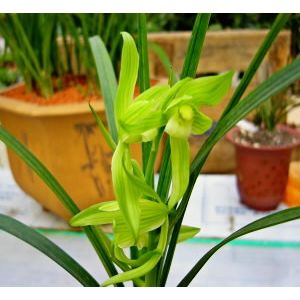
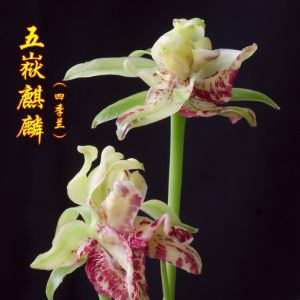
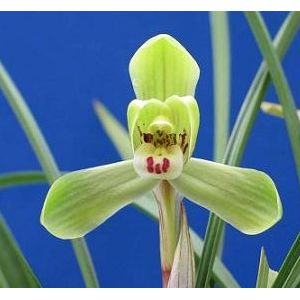
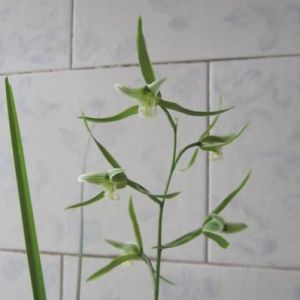
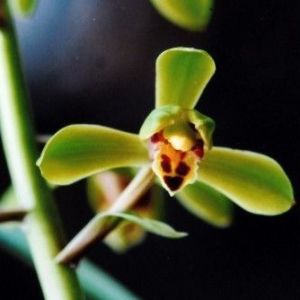
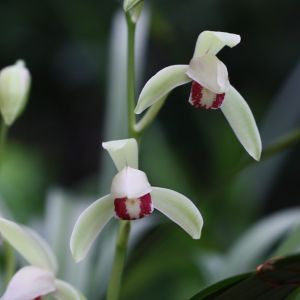
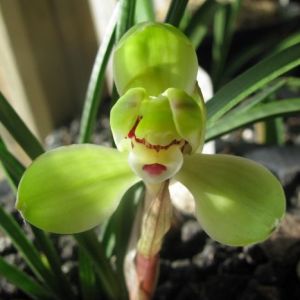
In terms of morphology, Spathoglottis usually has underground or partially exposed pseudobulbs, and its leaves are mostly grass-like or strap-shaped, often wrapped at the base by leaf sheaths. The flower scape emerges from the side of the pseudobulb, upright and sturdy, bearing a terminal raceme with many flowers. The flowers are mostly yellow-green, often marked with purple or chestnut-colored veins and spots. The lip is rather showy, and the flowering period is mostly concentrated in spring and summer.
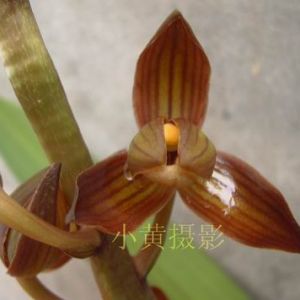
Besides the common Spathoglottis, the genus also includes a leafless Spathoglottis, which has no green leaves and relies on symbiosis with fungi for nutrients. It is a saprophytic type, often reddish-brown all over, and has attracted attention because it is relatively rare. Wild orchid resources are precious, and most species are protected by law, so they must never be dug up at will in the wild.
In terms of application, Spathoglottis has upright stems and dense inflorescences, giving it a certain ornamental value, and it is suitable for planting in shaded spots in courtyards or for growing in pots. For home cultivation, choose a loose, breathable, well-drained growing medium and place the plant in a warm, humid environment with diffused light. Take care to avoid waterlogging and strong direct sun. Overall, the care approach is similar to that for orchids in general.
Related Reading