Dragon leaf is a special leaf form in orchids, often used by orchid growers as a reference when selecting seedlings.
Dragon leaf is a customary term in orchid appreciation, used to describe plants whose leaves grow in an abnormal form. Such leaves often appear twisted, wavy and undulating, or shriveled and folded, with a surface that is not flat, looking like a winding dragon rolling over, which is why orchid growers call them dragon leaves. It is not the name of a specific variety, but a general term for a type of leaf appearance.
Dragon leaves are mostly seen in seedling plants, that is, dragon-root seedlings grown from germinated seeds; even after the plants mature, the leaves sometimes still retain this twisted and undulating trait. In addition, plants whose leaves are rather thick and hard in texture, whose edges have fine dense wrinkles, and whose plant shape appears somewhat irregular are also often classified as dragon leaves. When selecting wild-collected orchids and seedling plants, this type of leaf appearance tends to attract attention.
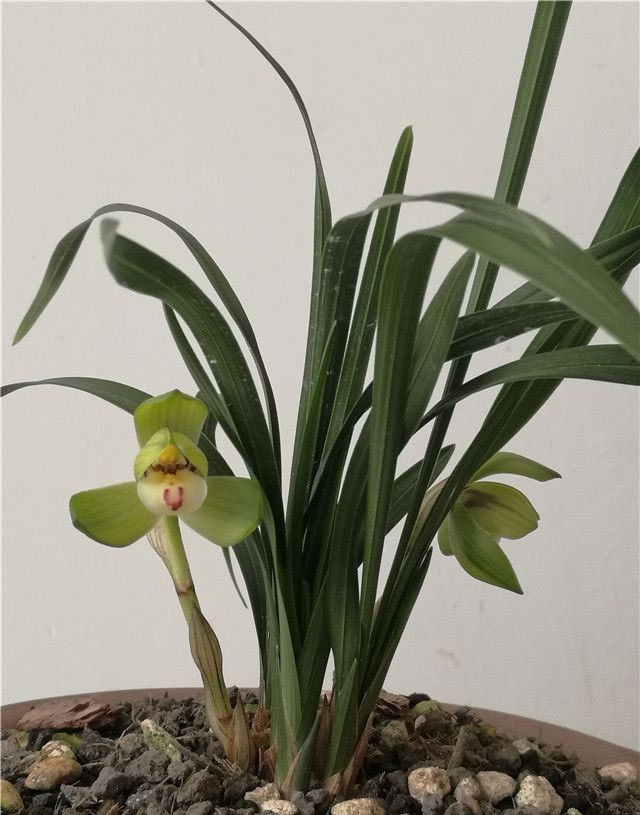
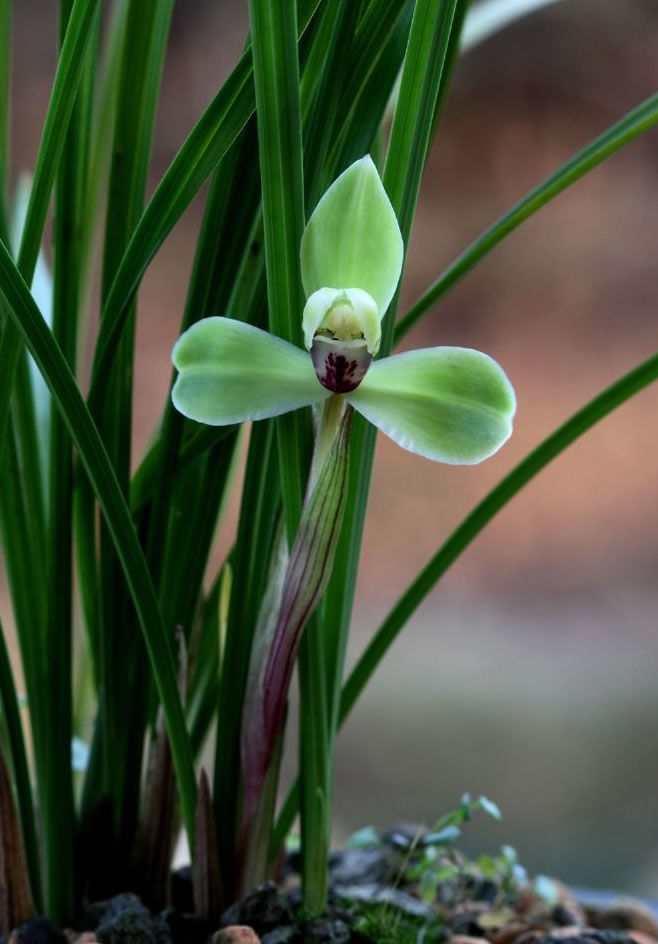
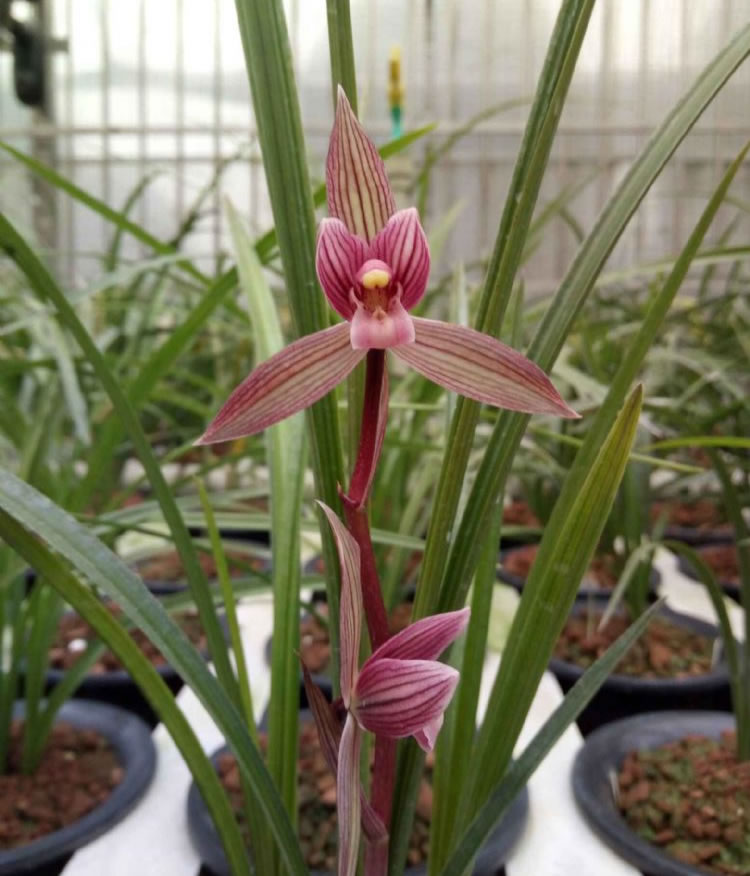
In traditional orchid selection experience, dragon leaves are often regarded as one of the reference signals. Some dragon-leaf plants do produce flowers with distinctive petal types or floral artistry, so raw plants with dragon leaves are often noticed in the market. However, leaf appearance and flower quality are not necessarily connected; in the same batch of seedlings, it is also possible for dragon-leaf plants to bloom ordinarily while plants with flat leaves perform excellently instead, so ultimately the flower must be seen to judge.
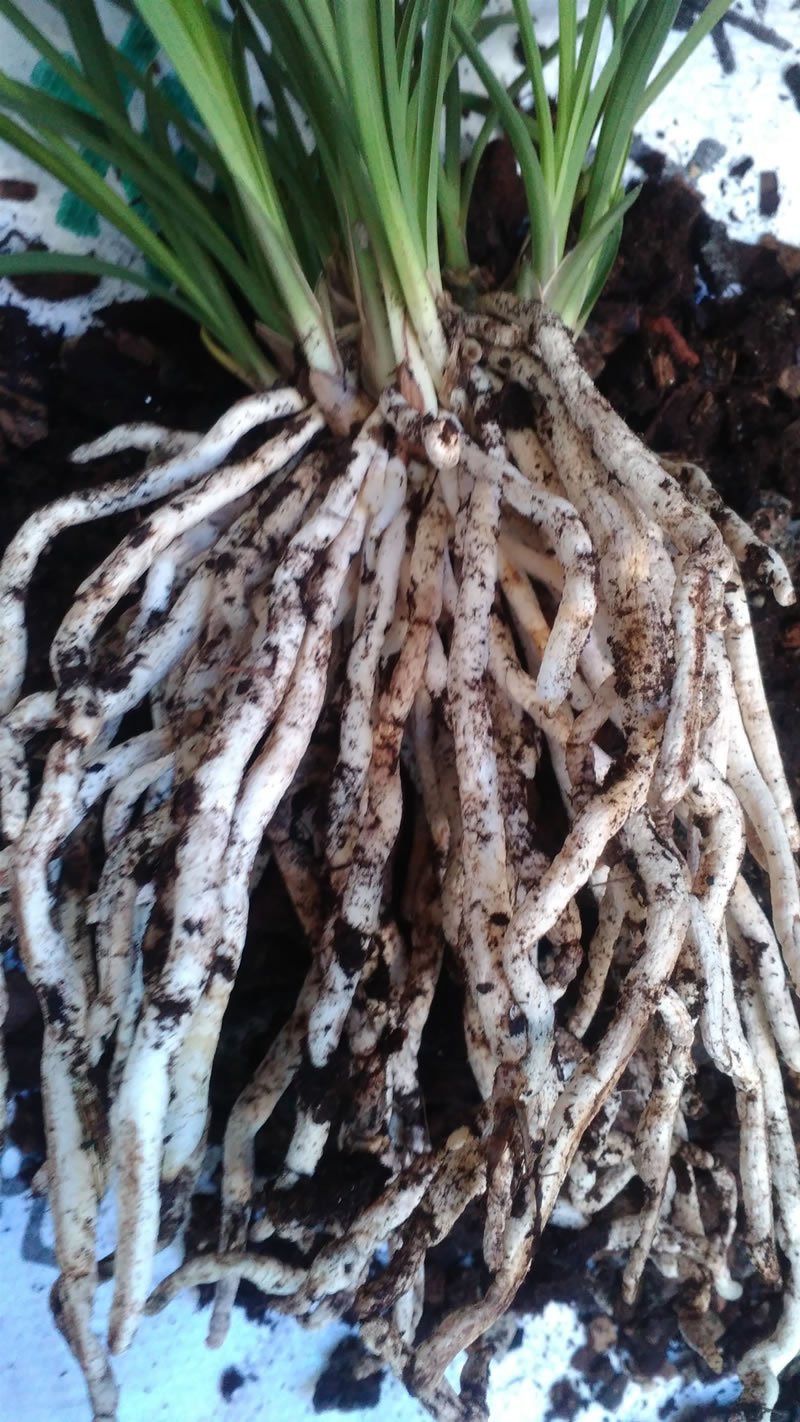
The care of dragon-leaf plants is basically the same as that of ordinary orchids, with the key points being loose and breathable potting medium, watering by letting the medium dry between waterings, and maintaining good ventilation and moderate indirect light. Beginners do not need to be especially nervous just because the leaf shape is unusual; managing them by conventional methods is enough. When selecting seedlings, it is best to observe comprehensively from multiple aspects such as plant shape, leaf quality, and root condition, and avoid drawing conclusions based on a single trait alone.