Variety Characteristics and Daily Care Methods of Lingjie Orchid
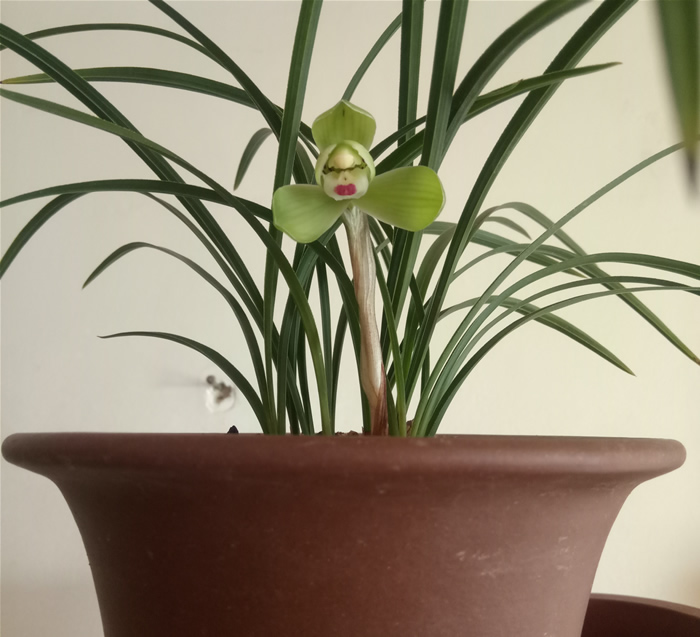
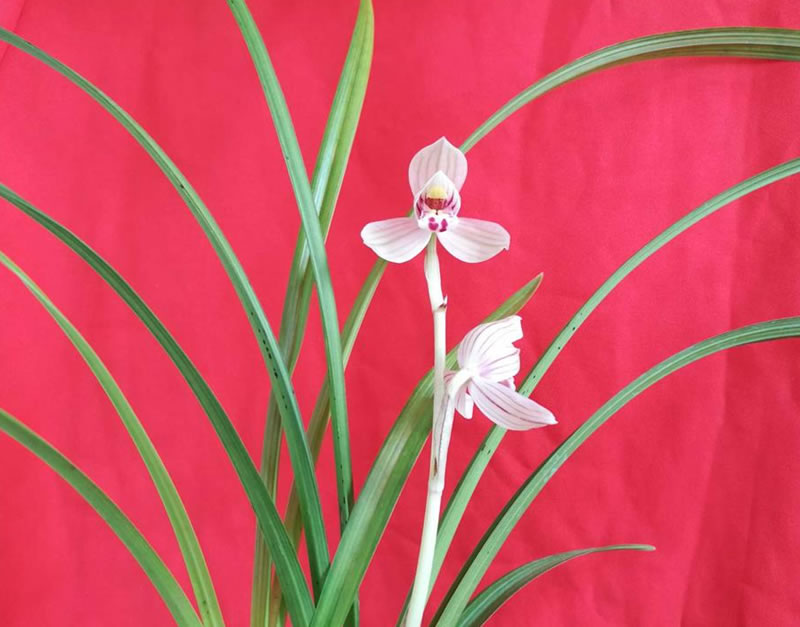
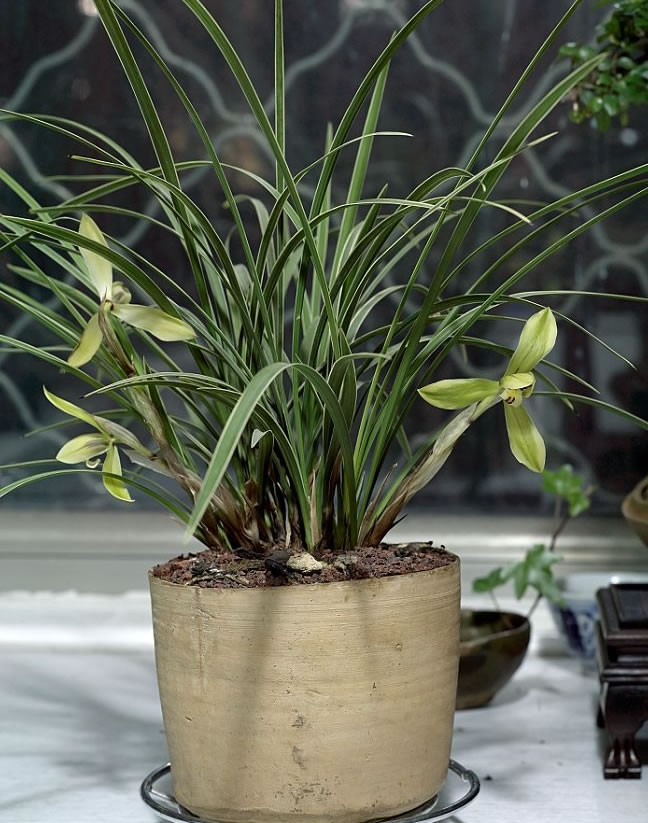
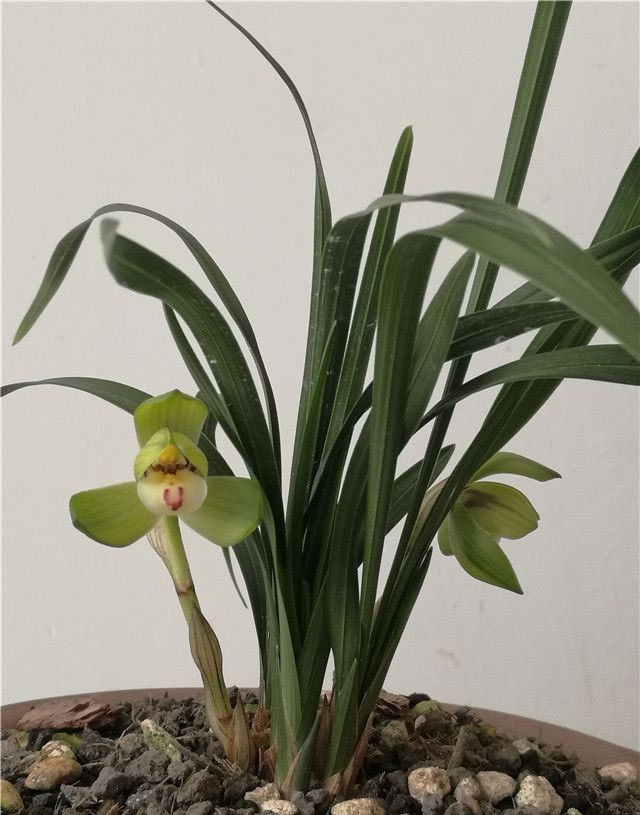
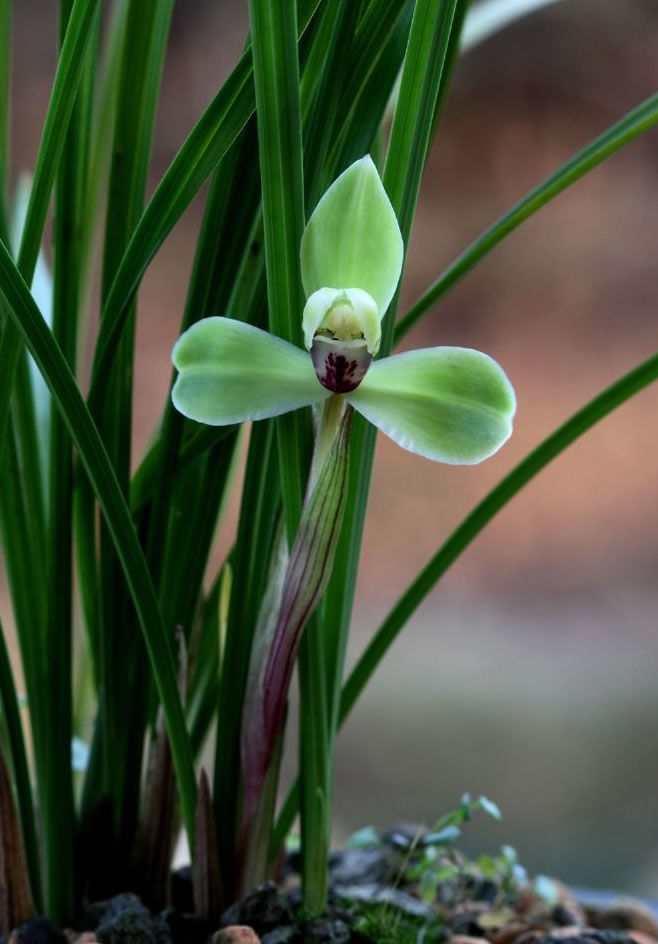
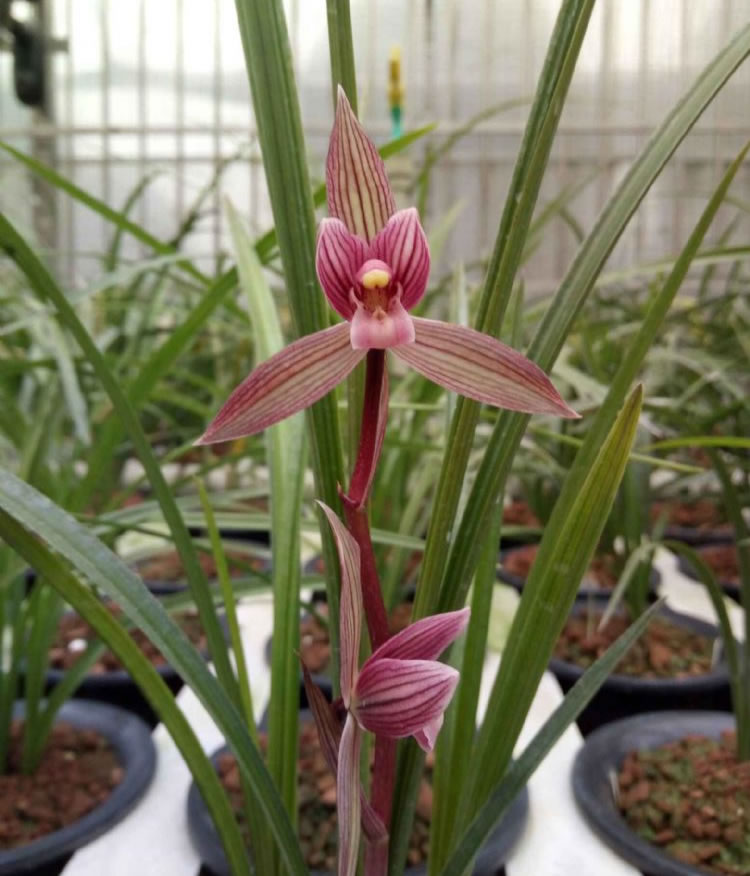
Lingjie is the name of a Chinese orchid (guolan) variety, often mentioned in the introduction and exchange of orchids among enthusiasts. It belongs to the group of terrestrial orchids, with slender leaves and an elegant plant form, retaining the typical morphological characteristics of Chinese orchids. Regarding its origin and classification, orchid enthusiasts hold differing views, and when introducing it, it is advisable to rely on the performance of the actual plant's flowers and leaves.
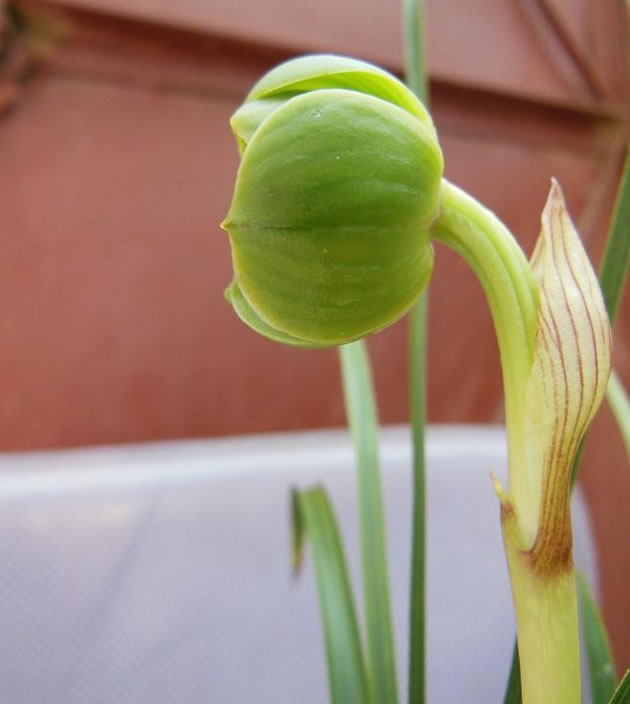
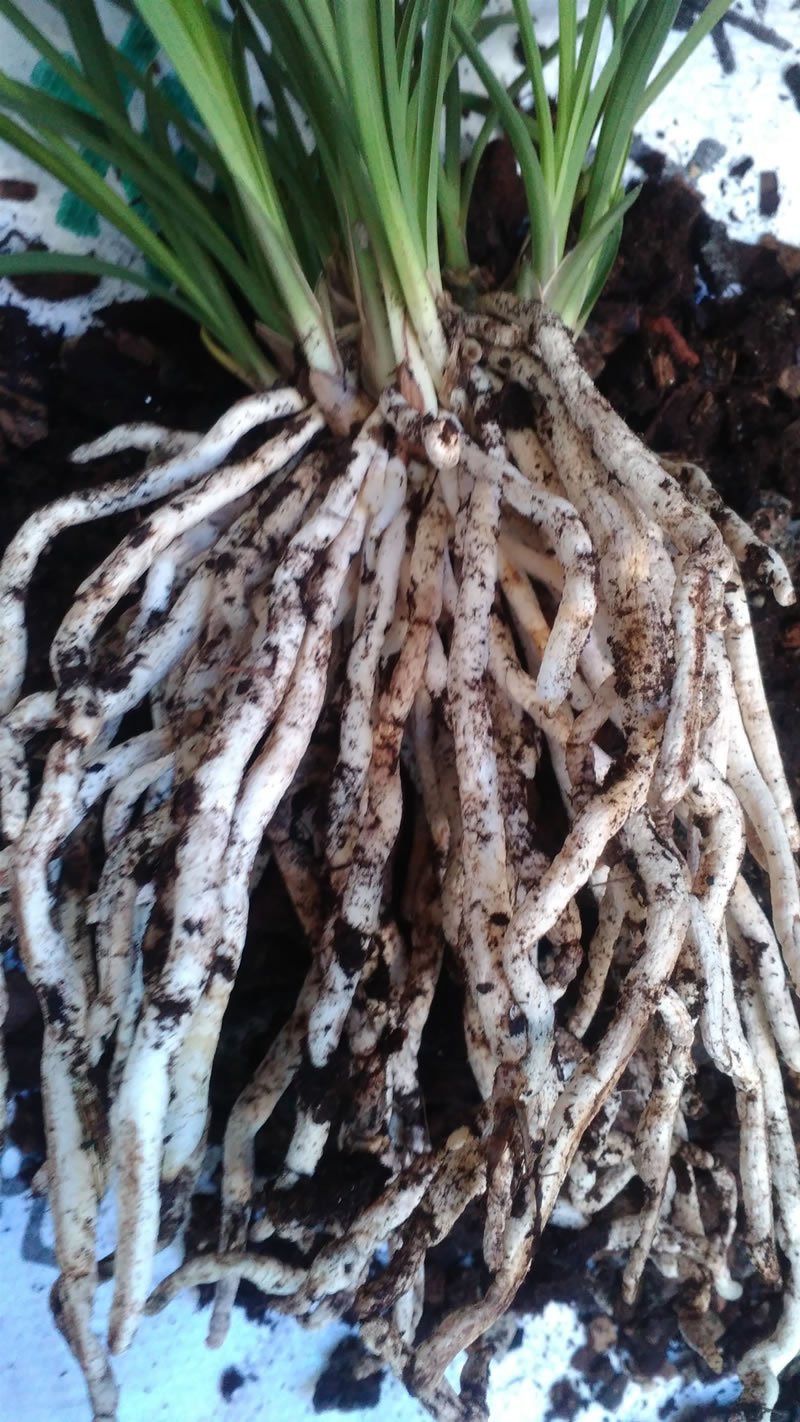
The appreciation of Chinese orchids emphasizes petal type, flower color, fragrance and leaf posture equally, and the evaluation of Lingjie cannot be separated from these aspects. Plants in good condition have glossy, lustrous leaves, plump pseudobulbs at the base, and when in bloom, the flowers are well-formed and the overall bearing is harmonious. Beginners may wish to look and compare more before starting, first understanding the common forms of the variety, and then deciding whether to introduce it.
In terms of care, the requirements of Lingjie are broadly the same as those of other Chinese orchids. The potting medium should be loose, breathable and well-draining; materials such as bark and Kanuma soil are best given secondary treatment before potting, sieving out dust and removing parts that are not thoroughly decomposed, which can reduce the risk of root rot. Watering should follow the principle of drying between waterings; orchid growers often say it takes three years to master watering, and it is better to keep it on the dry side than to stay wet for long.
In daily management, it is best placed in a well-ventilated spot with scattered light, with appropriate shading in summer, and a certain day-night temperature difference maintained in winter, which is beneficial for nutrient accumulation and flower bud differentiation. Common problems are mostly concentrated in root rot, stalled growth and scorched leaf tips, often related to compacted potting medium, overly frequent watering or insufficient ventilation; once discovered, the pot should be repotted and the roots trimmed in time, tools should be disinfected, and the roots should be dried before repotting.
Related Reading