Laofugui is the classic lotus-petal famous variety of the traditional Cymbidium goeringii (spring orchid) cultivar Dafugui.
Among orchid enthusiasts, Laofugui generally refers to the traditional cultivar Dafugui. It is a classic lotus-petal famous variety of Cymbidium goeringii (spring orchid) and a representative cultivar among lotus-petal orchids. It is named for its short, round, broad and thick outer petals and its petal shape as dignified as a lotus flower, and has long been regarded as a classic old cultivar, often distinguished from newly bred or hybrid Fuguitype varieties.
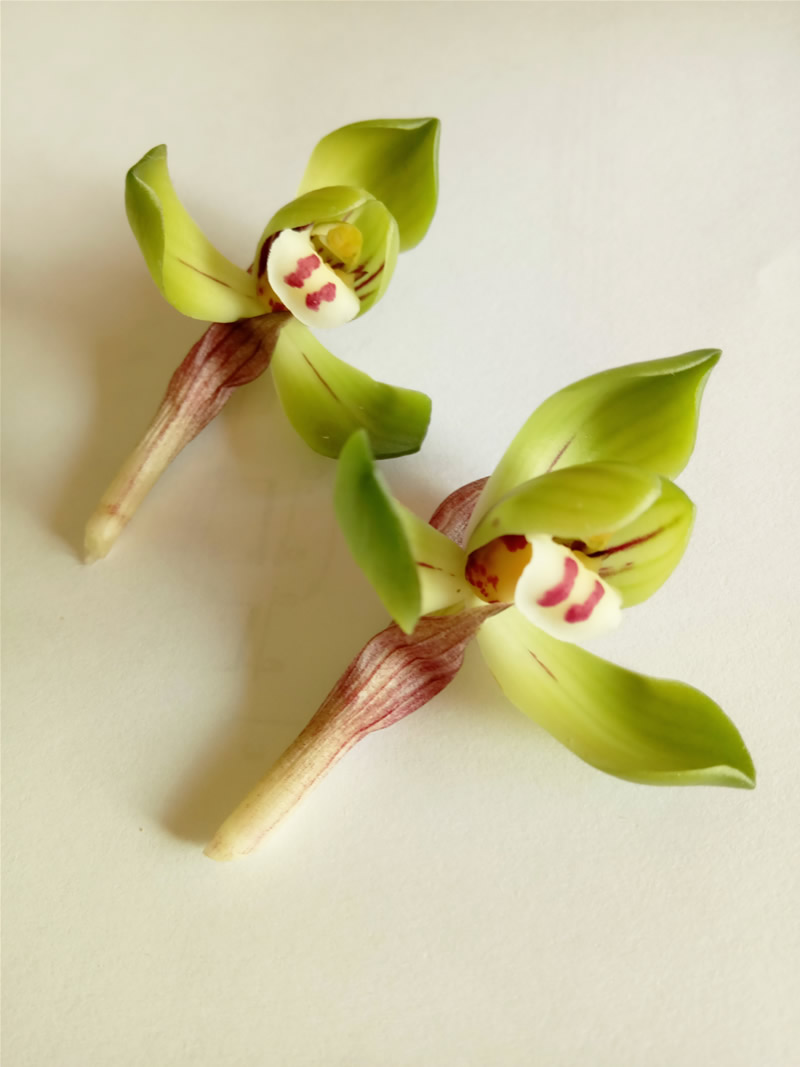
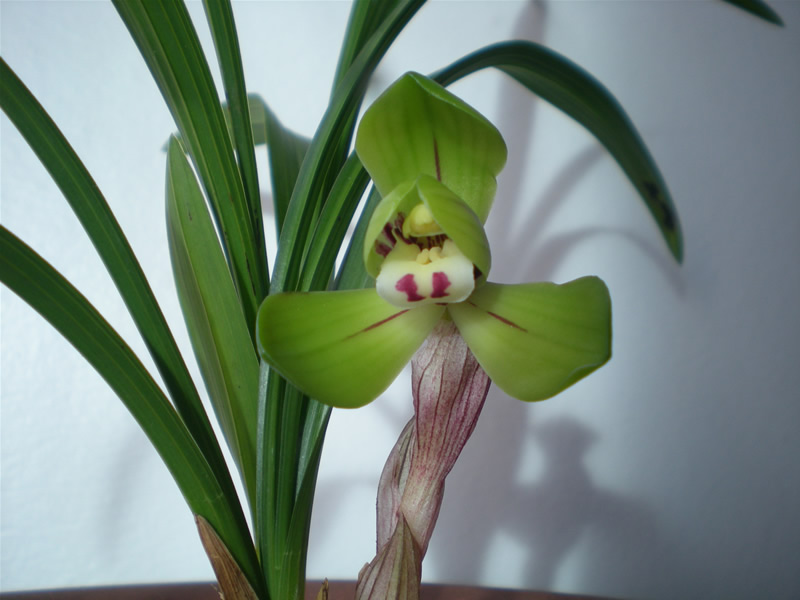
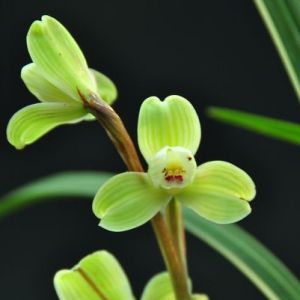
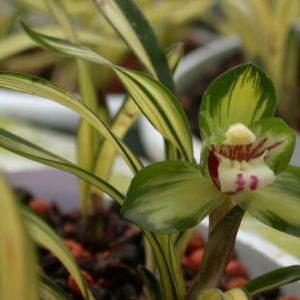
From the perspective of floral art, Laofugui has three outer petals that are short and round with tightly rolled edges, narrowed at the base and flared at the corners, with the petals (column petals) clasping together, a broad and rounded lip, the surface of the tongue marked with vivid red spots, a pleasing emerald-green flower color, and a distinct delicate fragrance. The leaves are mostly in a semi-arching posture, thick and glossy in texture, and the overall plant form is open and imposing; when in bloom it carries the great charm of a traditional orchid.
When identifying the traditional Dafugui, the key points are whether the petal shape is regular, whether the tongue spots are typical, and the stability of flower color and fragrance, judged together with leaf posture and plant type. On the market there are often varieties with similar appearance passed off as the traditional cultivar; when acquiring plants, choose a nursery with a reliable reputation, look at the actual plants and flowering records, and avoid making a hasty decision based only on photographs.
For care, it is similar to other Cymbidium goeringii: it prefers loose, airy, slightly acidic growing medium, and is best placed in a well-ventilated environment with scattered light. Water when the medium is dry and let it dry between waterings, and prevent stuffy, damp conditions that cause root rot. As a classic traditional cultivar, Laofugui has both ornamental and collection value, and is suitable for careful cultivation by orchid enthusiasts with some experience; when it blooms, one can especially appreciate the unique charm of an old variety.