A Complete Guide to Orchid Leaf Characteristics and Care Essentials
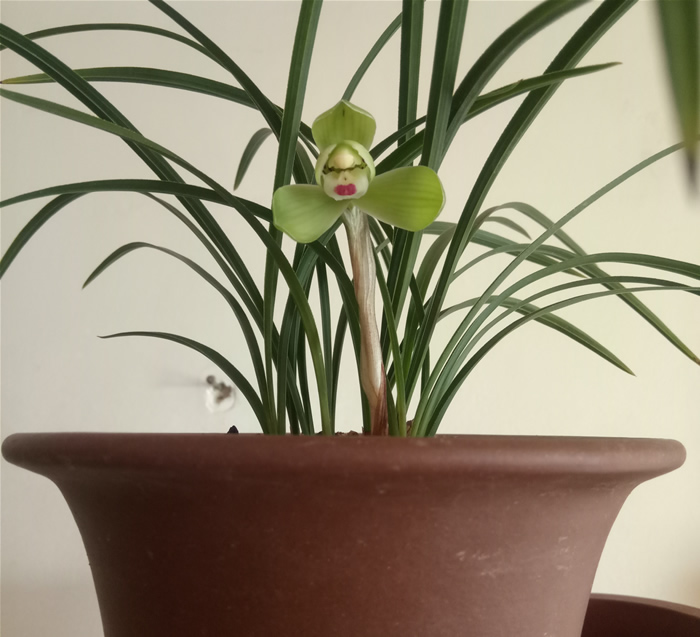
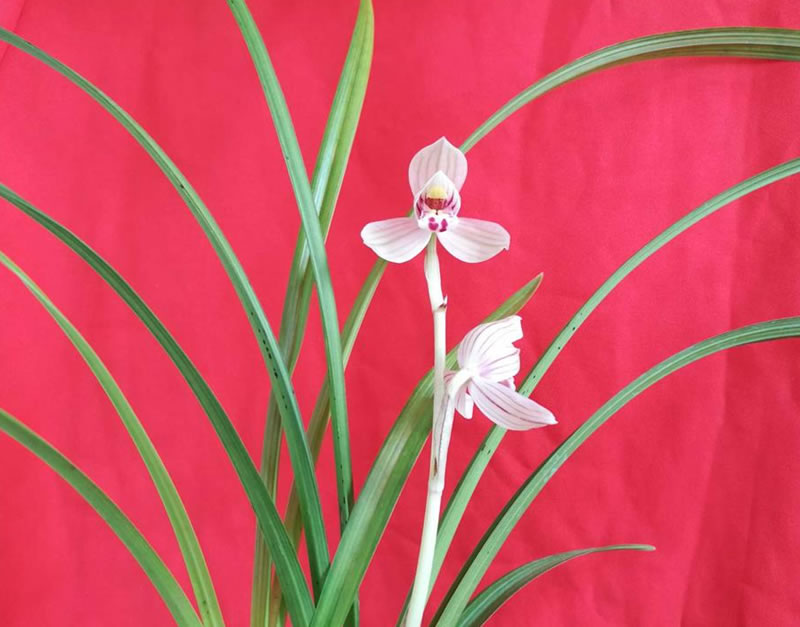
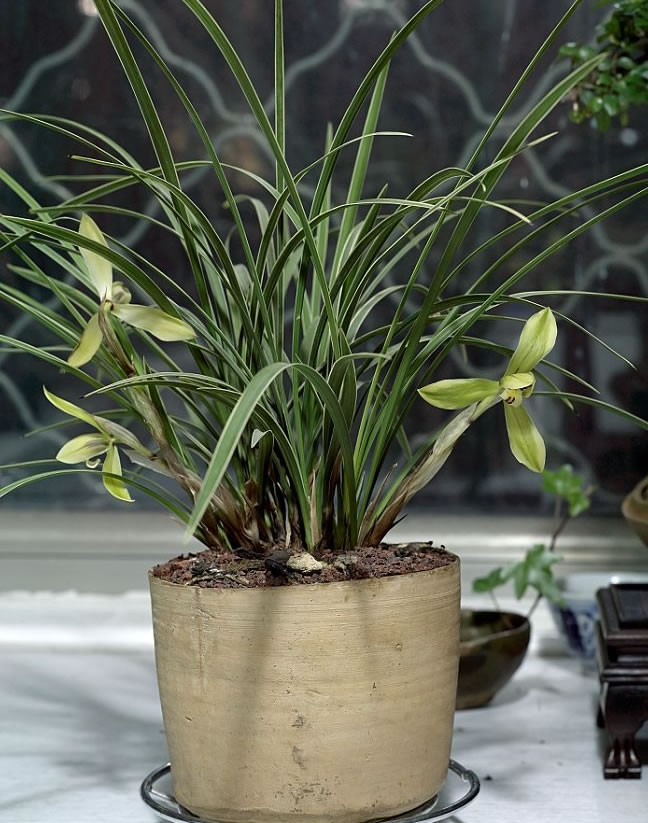
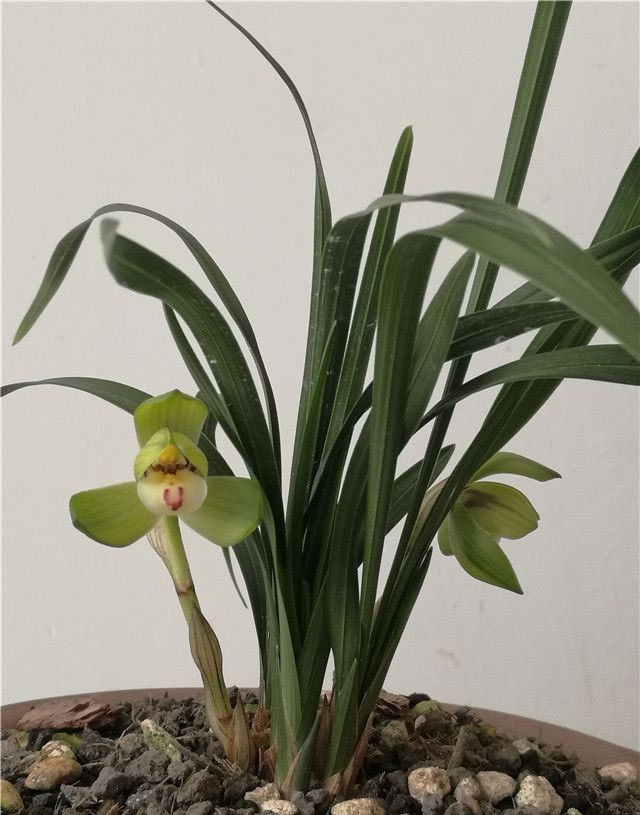
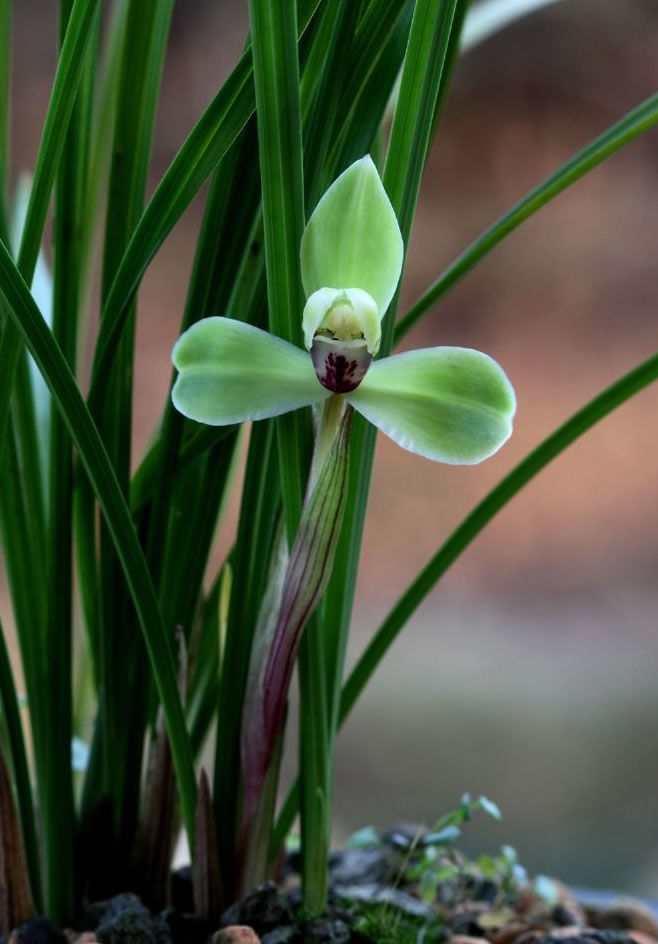
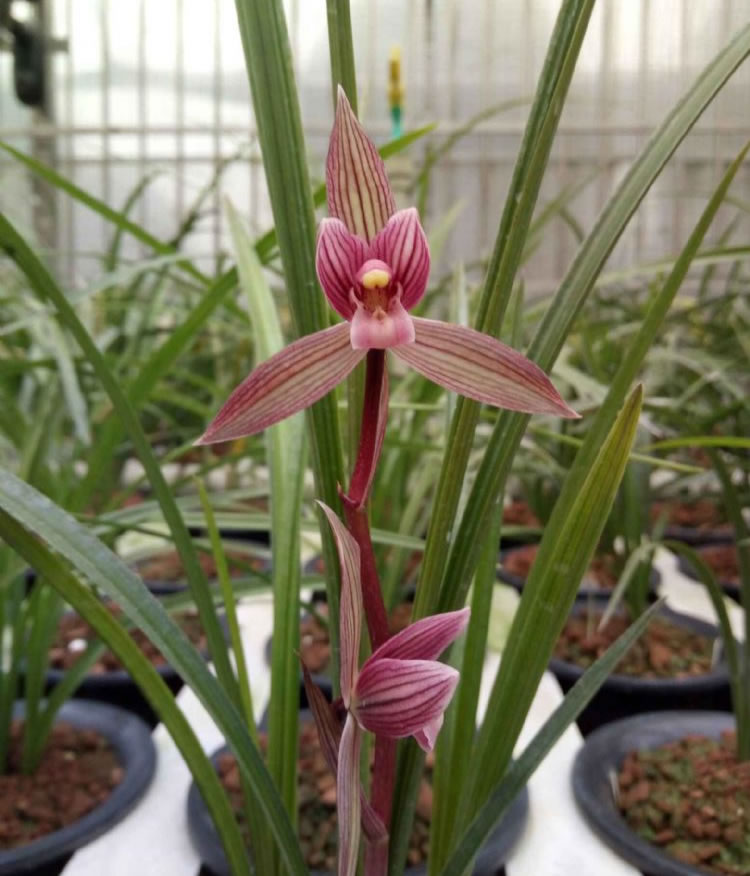
Orchid leaves are the foliage of the orchid plant, mostly growing from the base of the pseudobulb. They are mainly strap-shaped or linear, and their texture varies from thick to thin and from soft to firm depending on the variety. The leaves of Chinese orchids such as Cymbidium goeringii, Cymbidium faberi, and Cymbidium tortisepalum are generally rather slender, while some epiphytic orchids have relatively broad, thick leaves. Leaf color ranges mainly from green to deep green.
Leaf posture holds an important place in orchid appreciation, with common forms including upright, semi-upright, and arching. Different varieties each have their own character. As for leaf variegation, edge-variegated leaves, striped variegation, and spotted variegation are much loved for the yellow-white or variously shaded lines and patches that appear on the leaves; some varieties are even more rewarding to look at for their leaves than for their flowers. Experienced orchid growers also often use leaf shape, leaf color, and leaf texture to help judge variety and growing condition.
In daily care, orchid leaves like moisture but fear waterlogging, and they cannot withstand harsh sun. Watering should follow a good wet-dry rhythm: better slightly dry than overly wet. In the trade people often say it takes three years to master watering, which refers precisely to how hard this balance is to strike. Soft, indirect light is best; direct strong light easily scorches the leaves. During the growing season, apply light fertilizer frequently, and keep the environment well ventilated to reduce disease.
Common problems mostly involve scorched leaf tips, black spots on the leaves, or entire leaves turning yellow. Scorched tips are often related to dry air, fertilizer burn, or unsuitable water quality, while black spots are mostly caused by high temperature and high humidity with poor ventilation. Diseased leaves should be cut off promptly, and the removed leaves should be taken away from the growing area for disposal. By regularly observing changes on the leaf surface, problems can be spotted earlier and dealt with.
Related Reading