Orchid House Construction and Environmental Management Determine Orchid Growth
An orchid house is a building or space that orchid growers use specifically for cultivating orchids; among orchid enthusiasts, the term broadly refers to any small environment created for orchids. It can be an idle room, an enclosed balcony, or a simple shed in the courtyard, and on a larger scale it develops into a greenhouse orchid house. Whatever the form, the goal is to keep orchids in an environment with relatively stable light, temperature, and humidity.
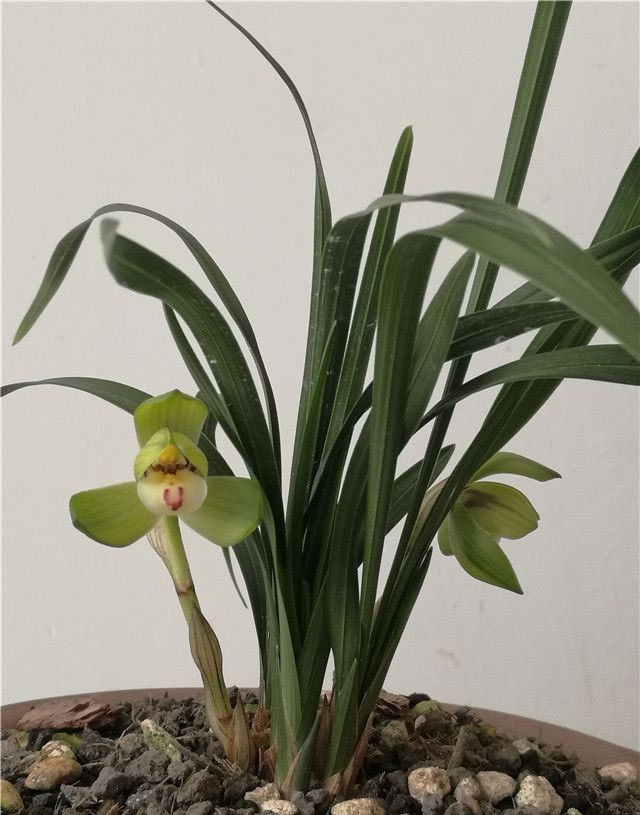
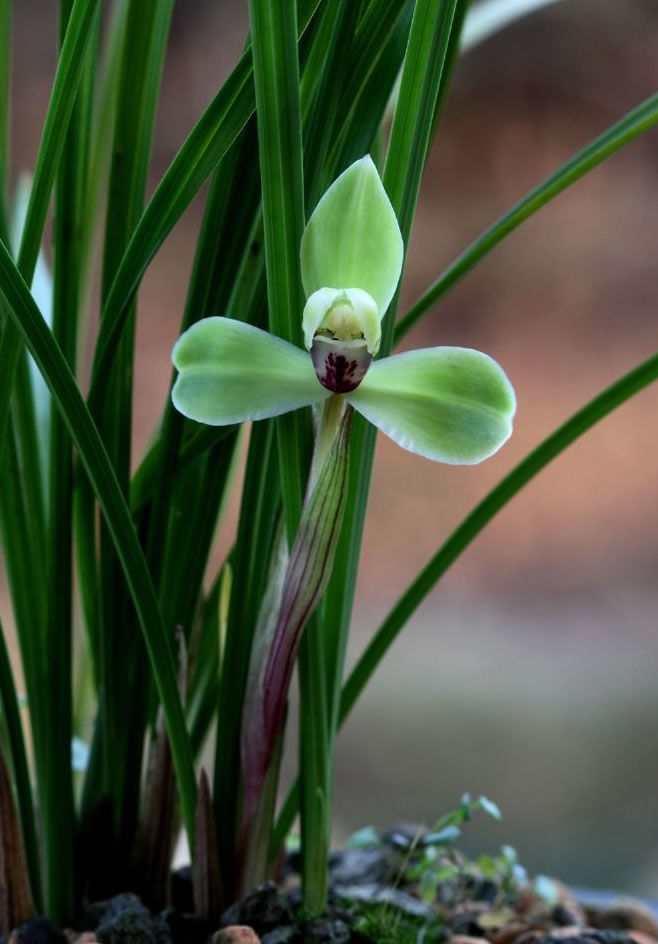
The core of an orchid house lies in environmental regulation. Most orchids prefer diffused light and fear direct harsh sun, so shade nets are generally installed on the roof or outside the windows, and the degree of shading is adjusted according to the season; at the same time, orchids like humidity but fear stuffiness, so ventilation and air exchange are essential, with cross-flow between doors and windows and exhaust fans being common methods. In winter, attention must also be paid to insulation and frost protection, and varieties such as Cymbidium goeringii (spring orchid) and Cymbidium faberi (faber cymbidium) that require vernalization should also be allowed to go through an appropriate low-temperature stage.
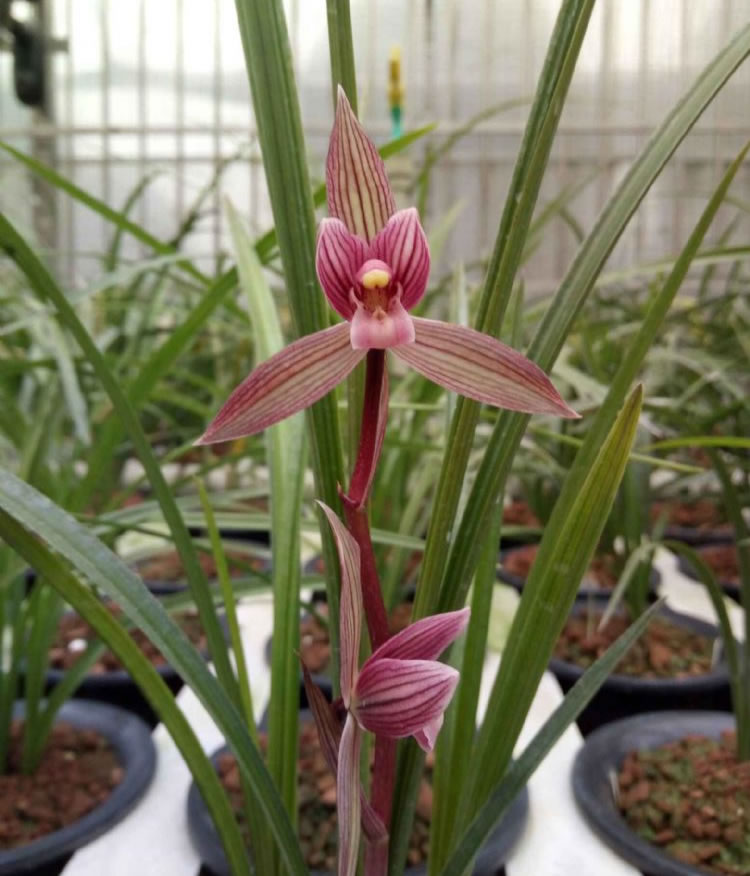
By scale and purpose, orchid houses can be roughly divided into two types: household and large-scale. Household orchid houses are mostly converted from balconies or small rooms, with the emphasis on careful, detailed cultivation; large-scale orchid houses are closer to greenhouses, facilitating batch management and centralized supply. The two types are similar in their approach to configuring facilities such as shading, ventilation, and humidification.
With an orchid house, daily management such as watering, fertilizing, and changing the growing medium becomes more relaxed, and it is also easier to observe changes in leaves and flower buds at any time. It should be noted that an orchid house is not better the more sealed it is; long-term stuffy, humid conditions easily induce diseases such as stem rot and anthracnose, while overly weak light causes plants to grow leggy and makes flowering difficult. Before building, think through the two matters of ventilation and shading first, and future management will be much easier.