An Introduction to the Varieties and Care Methods of Orchids
Orchid is the common name people use for ornamental plants in the Orchidaceae family, and in everyday usage it usually refers to the traditional Chinese orchids, such as Cymbidium goeringii and Cymbidium faberi. It is known for its graceful, flowing leaves and its delicate, quiet fragrance, and it is one of China's traditional famous flowers, with a long history of cultivation and great popularity among growers. It should be noted that in botany there is another type of plant called lancaochi in the Asteraceae family, namely Eupatorium fortunei, which is not the same kind of plant as orchids, so it is best to distinguish between them when consulting references or making a purchase.
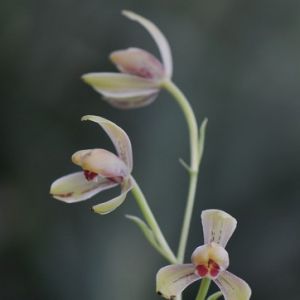
The leaves of orchids are mostly strap-shaped or linear, supple and glossy in texture, and often grow in clusters from the base. The flowers are not especially large, but their structure is refined, and the flower colors cover many shades including green, white, yellow and red, with a clear, long-lasting fragrance. Common cultivated types include Cymbidium goeringii, Cymbidium faberi, Cymbidium ensifolium, Cymbidium sinense and Cymbidium kanran, which differ in flowering period, flower shape and cold tolerance, so they can be chosen according to the local climate and personal preference.
For orchid care, bright indirect light is best, and harsh direct sun should be avoided; good ventilation is especially important. The growing medium should be loose, airy and well drained, commonly mixed from bark chunks, volcanic rock and similar materials. Watering should follow a wet-dry cycle, avoiding water accumulation in the pot that can cause root rot, and during the peak growing season a dilute fertilizer can be applied frequently, with the concentration kept weak rather than strong.
Orchids prefer warmth, so in winter attention should be paid to cold protection and keeping them warm, while in summer high temperatures ventilation and shading should be strengthened. In daily care, also watch for common problems such as scale insects and anthracnose; keeping the environment clean and controlling humidity help reduce the occurrence of pests and diseases. Overall, as long as you grasp the key points of light, water and ventilation, orchids are not difficult to grow, and with patient care you can wait for the moment when they bloom and release their fragrance.
Related Reading