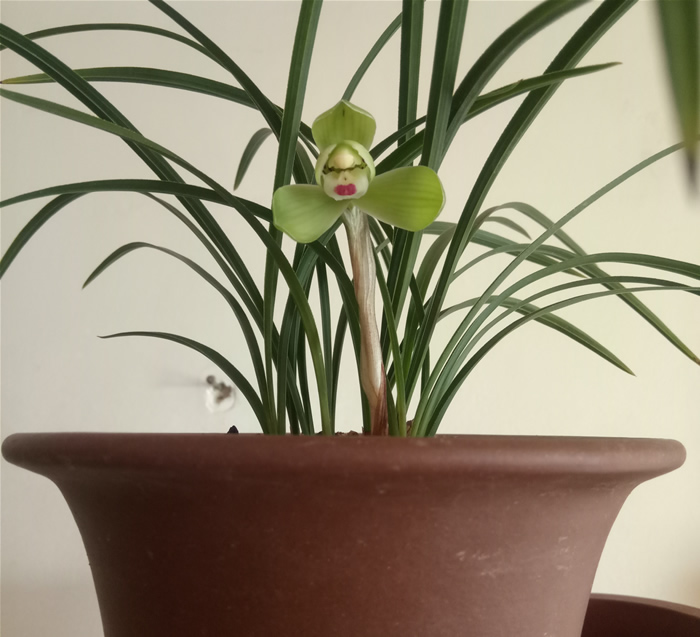
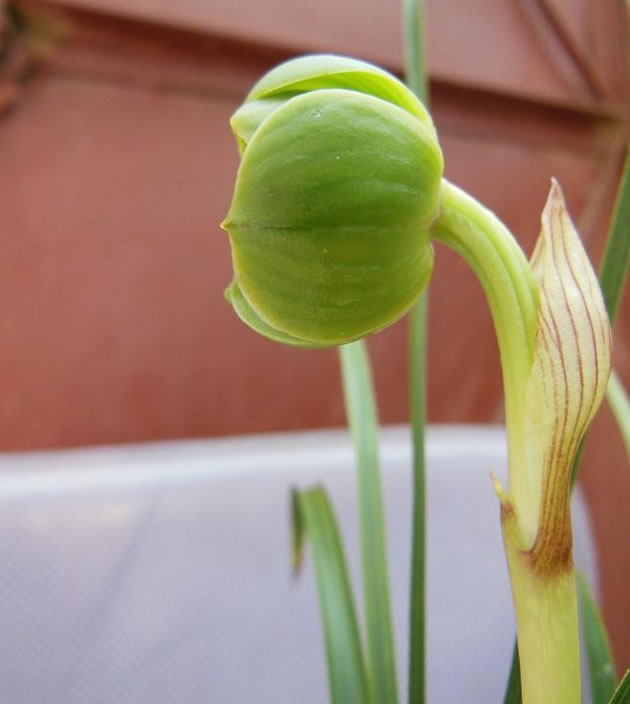
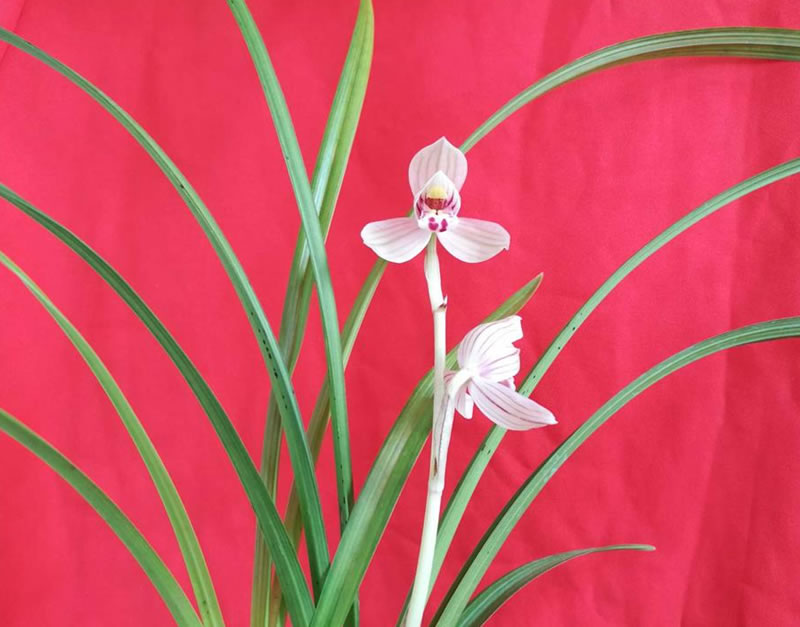
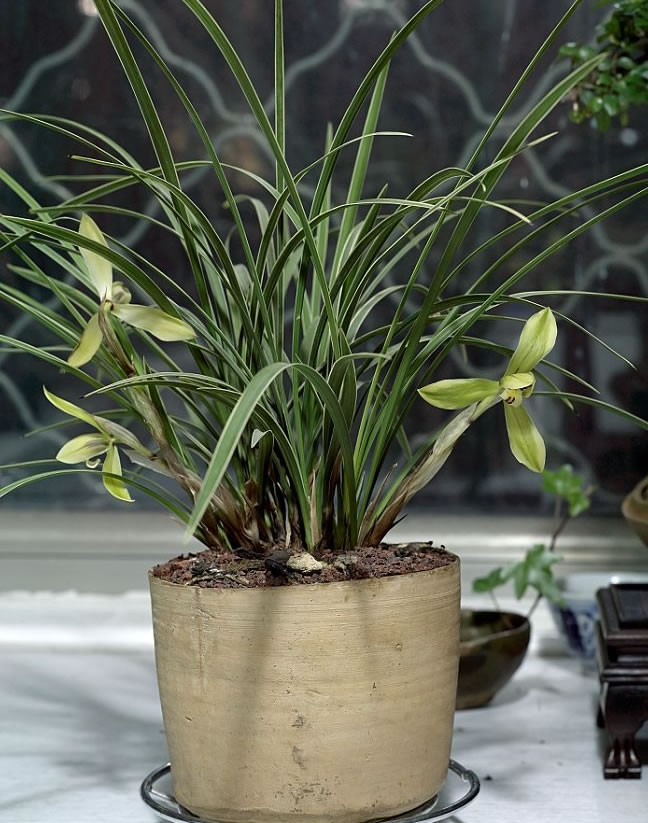
Kejian Orchid has standout characteristics, and its daily care centers on potting medium and watering
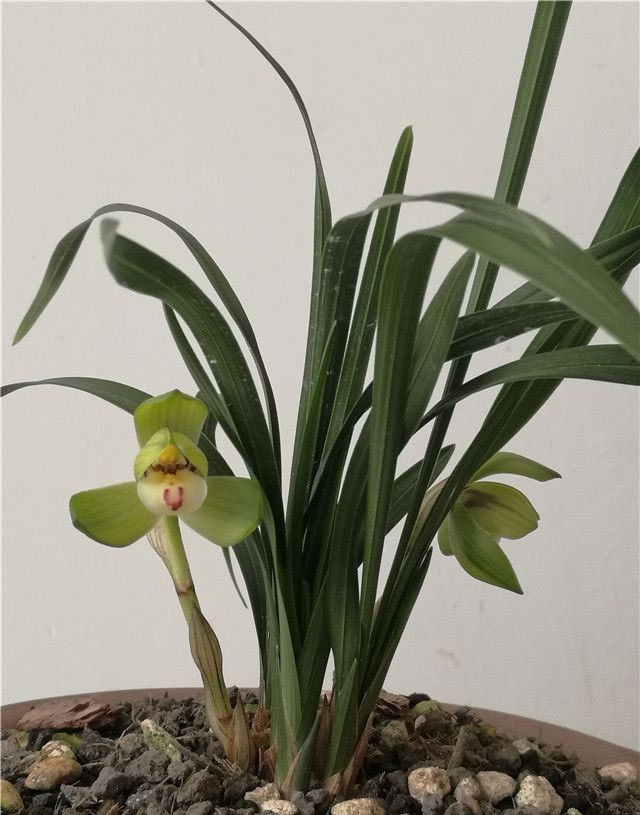
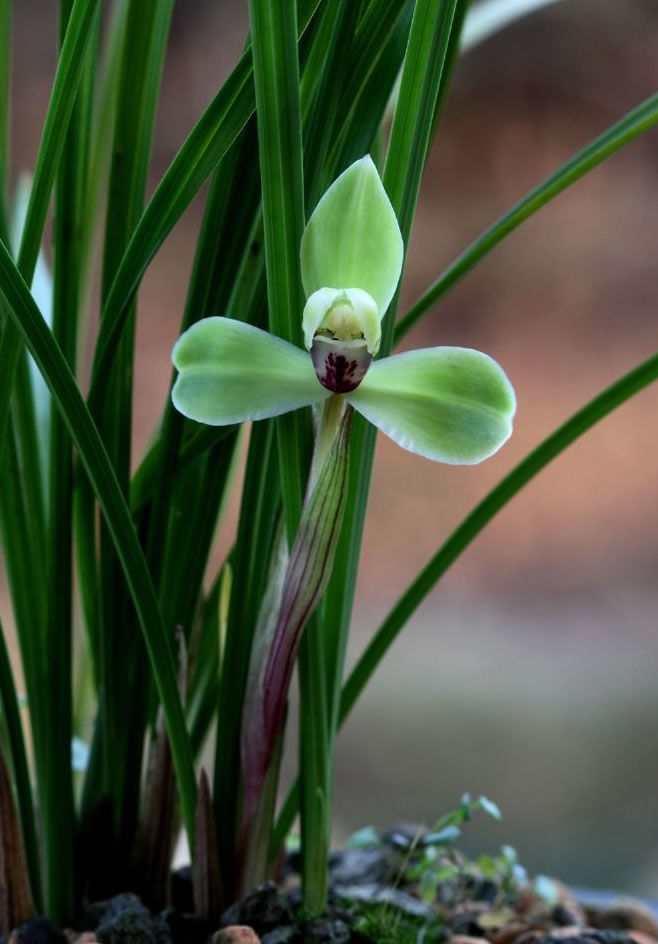
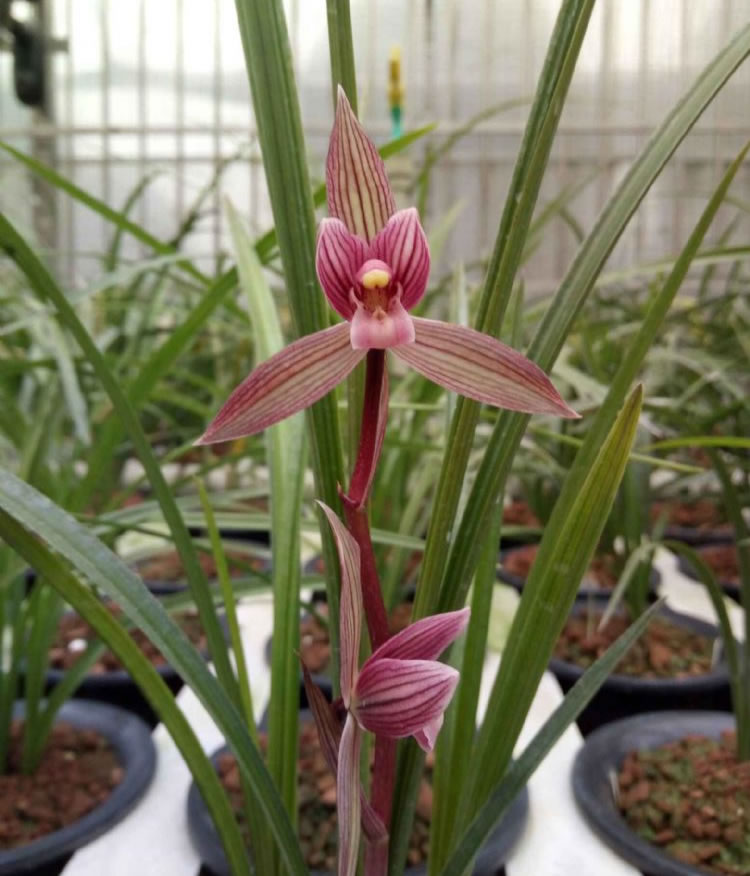
Kejian is a cultivar name in Chinese orchid (guolan) cultivation and belongs to a group of ornamental orchids in the family Orchidaceae that attracts considerable attention from enthusiasts. Among orchid growers, cultivar names are an important marker for distinguishing different flower colors, flower shapes, and leaf forms, and it is enough to call them directly by name when talking with others. This name has a rather modern style, differing from the naming approach of traditional famous varieties such as Xishenmei and Shenxianhe.
The naming of Chinese orchid cultivars often emphasizes artistic conception; some are taken from the appearance and form of the flower, while others carry the expectations of the breeder and grower. For growers, understanding a cultivar cannot rely on the name alone; it should also be judged comprehensively by combining characteristics such as leaf shape, flower color, and blooming period. Before introducing a plant, asking experienced orchid growers for advice can help avoid unnecessary detours.
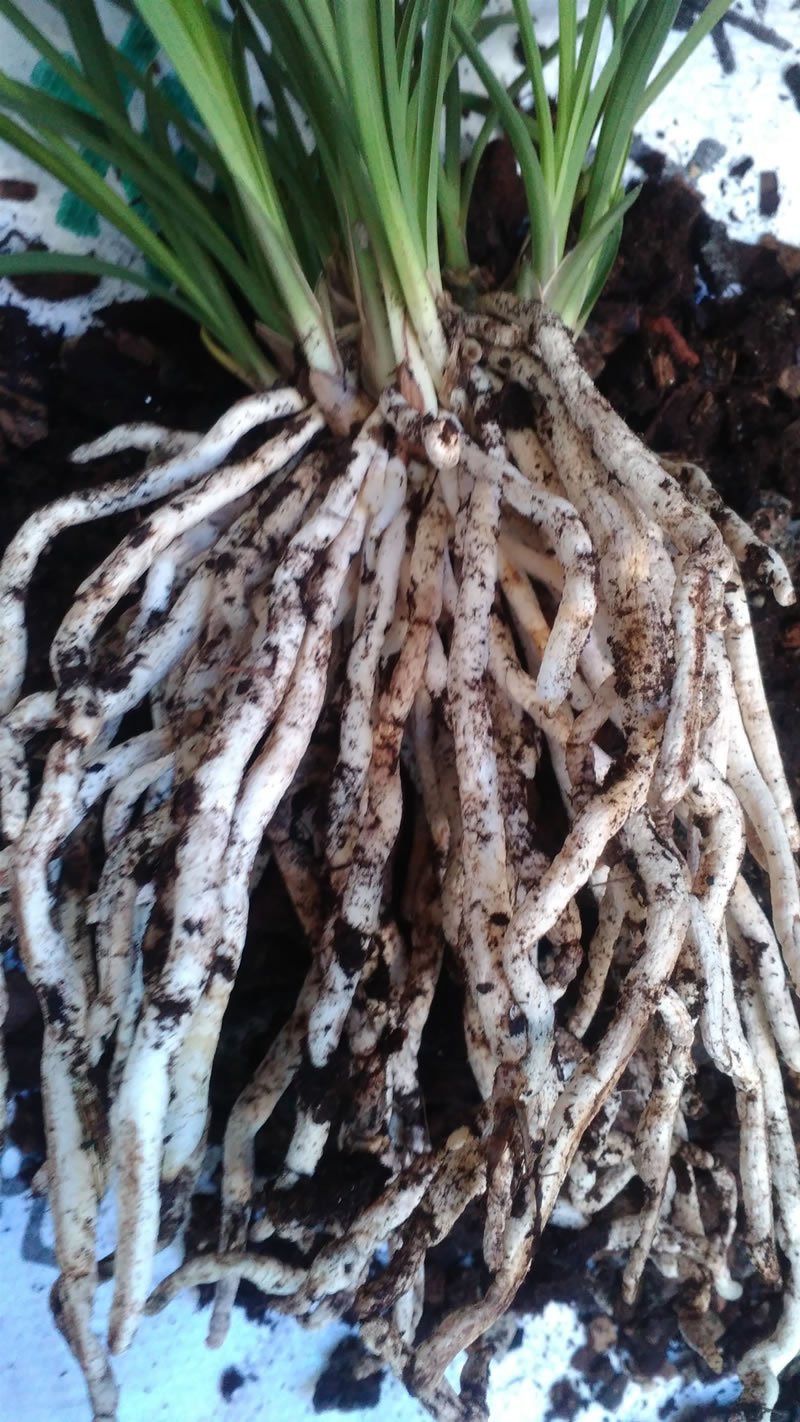
In terms of care, orchids generally require a loose, breathable potting medium. Before use, it can be treated a second time by sifting out dust and debris to reduce the chance of root rot. Watering is widely recognized as the difficult part; the saying "three years of skill in watering" shows that the right balance requires long-term practice to master. In daily care, the environment should also be kept well ventilated with soft light, with shading in summer and appropriate insulation in winter.
In terms of application value, this type of cultivar is suitable both for display at home, enjoying the flowers and fragrance, and as an object for exchange and collection among orchid growers. Beginners introducing plants are advised to choose specimens with healthy roots and strong seedlings, and after planting, let them recover first before entering normal management. If conditions such as yellowing leaves or blackened roots appear, they are often related to overly frequent watering or compacted potting medium, and timely adjustments can allow gradual recovery.