Reading leaves is a basic skill in orchid appreciation for identifying varieties and assessing growth
Reading leaves is a basic skill in orchid appreciation and daily care, referring to judging a plant's varietal characteristics and health by observing the shape, color, texture and overall posture of its leaves. Orchid growers have long had the habit of looking at the leaves first and waiting for the flowers later, because the leaves are the most direct reflection of a plant's long-term condition, and tell more about the plant than a single flowering event.
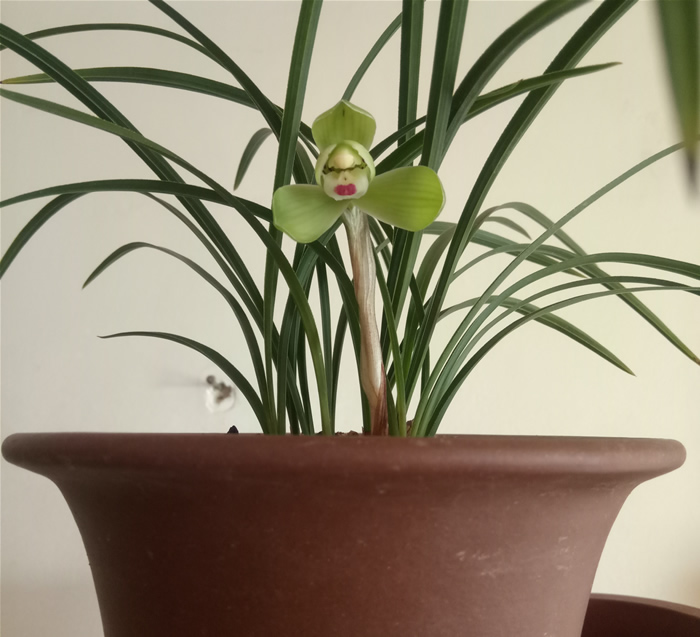
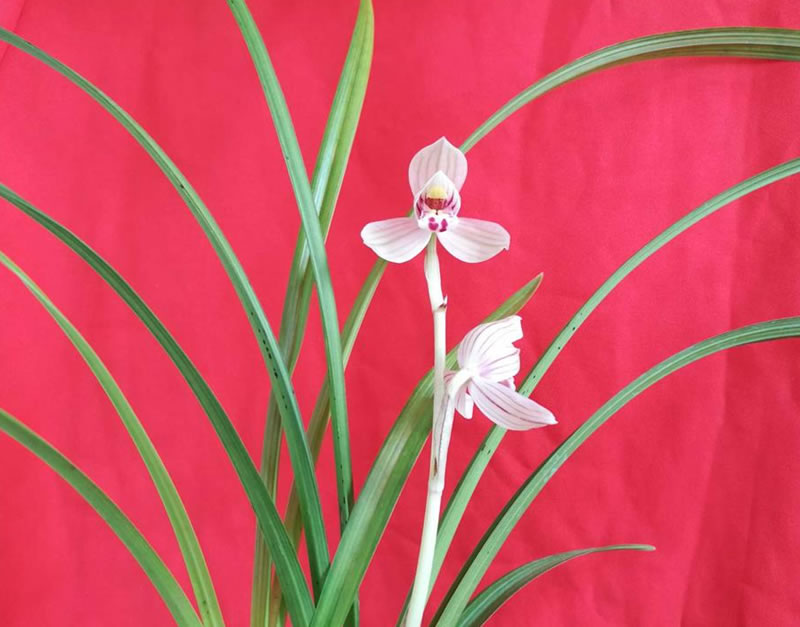
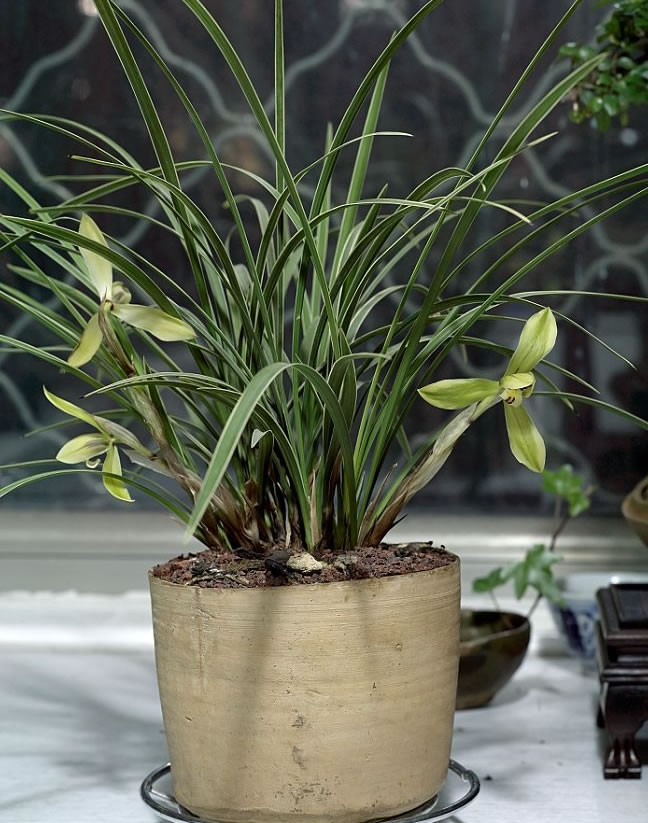
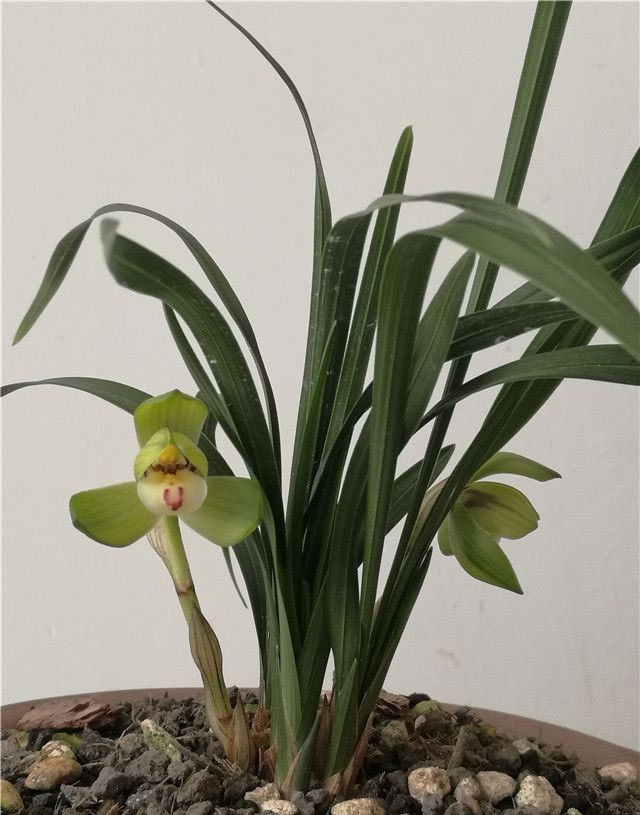
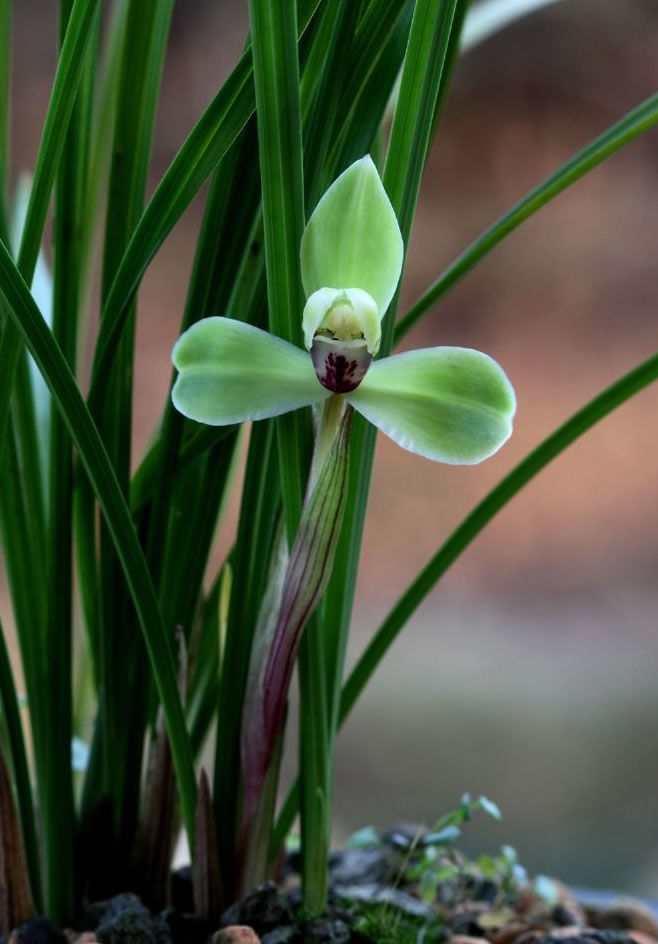
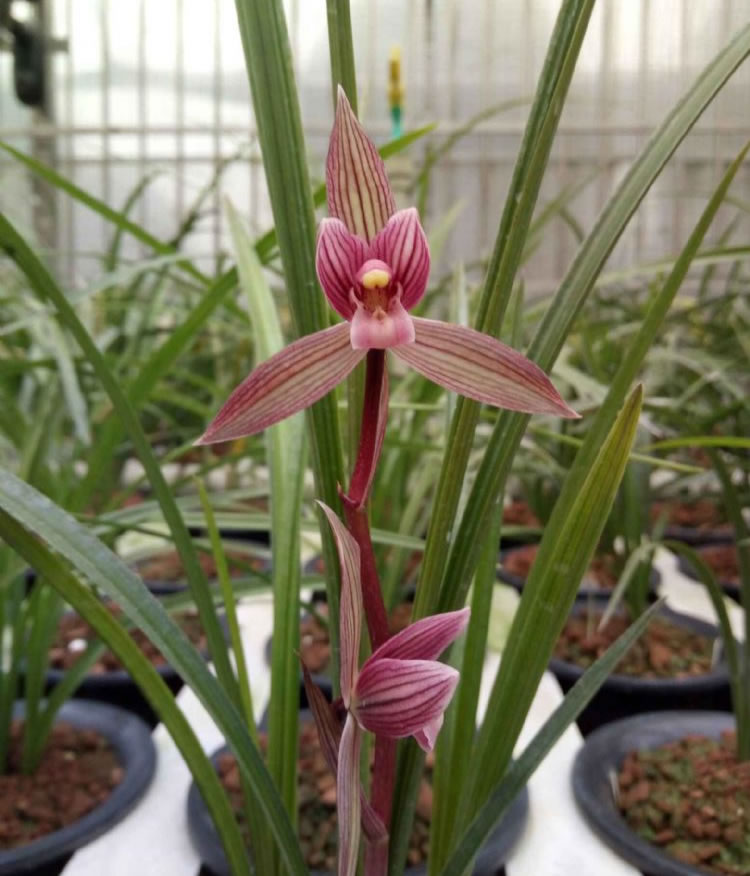
From an appreciation standpoint, reading leaves focuses mainly on leaf posture, leaf texture, leaf color and leaf variegation. The posture may be upright like a sword, or gracefully arched and pendulous; only with proper spacing and density does the plant have overall elegance. The texture should be thick, glutinous and moist, with a fine, lustrous surface. The color is best when deep green, oily and glossy, and evenly uniform. Variations appearing on the leaves, such as edges, stripes, spots and crystal, are collectively called leaf variegation and are themselves important points of appreciation; edged plants and the various striped-variegation orchids are much loved for precisely this reason.
Reading leaves is also often used to help identify flowers and select seedlings. Traditional experience holds that leaf width, thickness, gloss and the plumpness of the pseudobulbs often correspond to some degree with the quality of future blooms, and can serve as a reference for prediction and selection. However, this is only empirical judgment; final confirmation of a variety still depends on flowering.
In terms of care, reading leaves is even more a window for spotting problems. Yellowing leaves, scorched leaf tips, loss of gloss on the leaf surface or the appearance of spots often indicate that something is wrong with watering, potting medium, ventilation or light. Orchid growers often say it takes three years of practice to master watering, and the depth of that skill is largely shown in whether one can read the plant's needs from subtle changes in the leaves and adjust management in time.