An Introduction to the Variety Characteristics and Cultivation of Jiangsu Cymbidium goeringii
Jiangsu Cymbidium goeringii is a collective term for Cymbidium goeringii produced in or long cultivated in the Jiangsu area. Cymbidium goeringii is a traditional famous flower of China, and the hilly and mountainous areas of southern Jiangsu are one of its important distribution regions; the local climate is mild and humid, giving rise to many outstanding orchid plants. Jiangsu is also an important place of inheritance for Jiangnan orchid culture, with a long history of appreciating and growing orchids, and orchid enthusiasts have always been an active community.
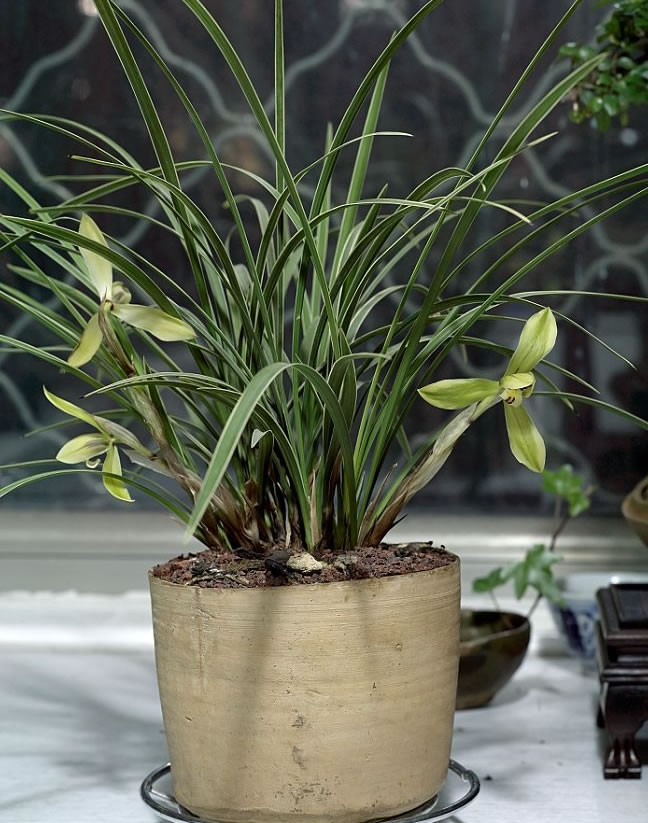
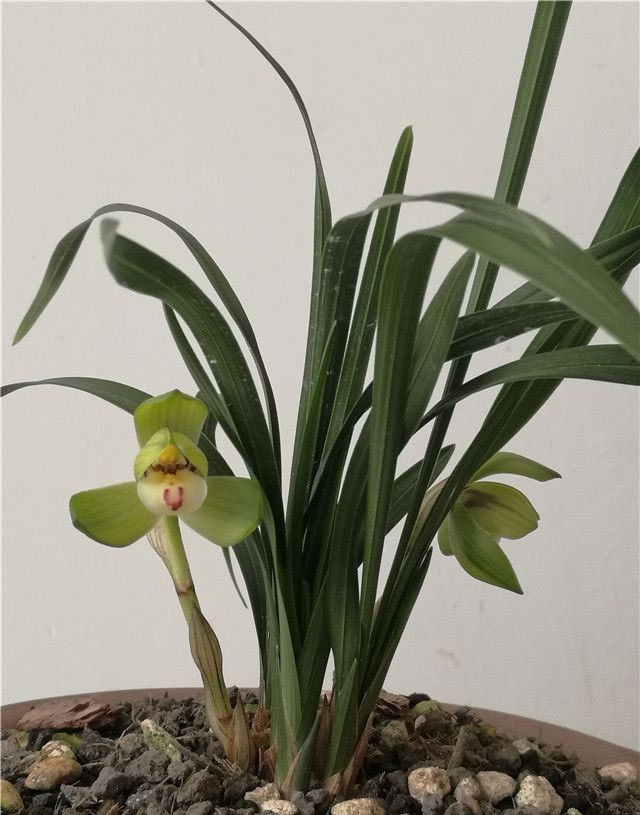
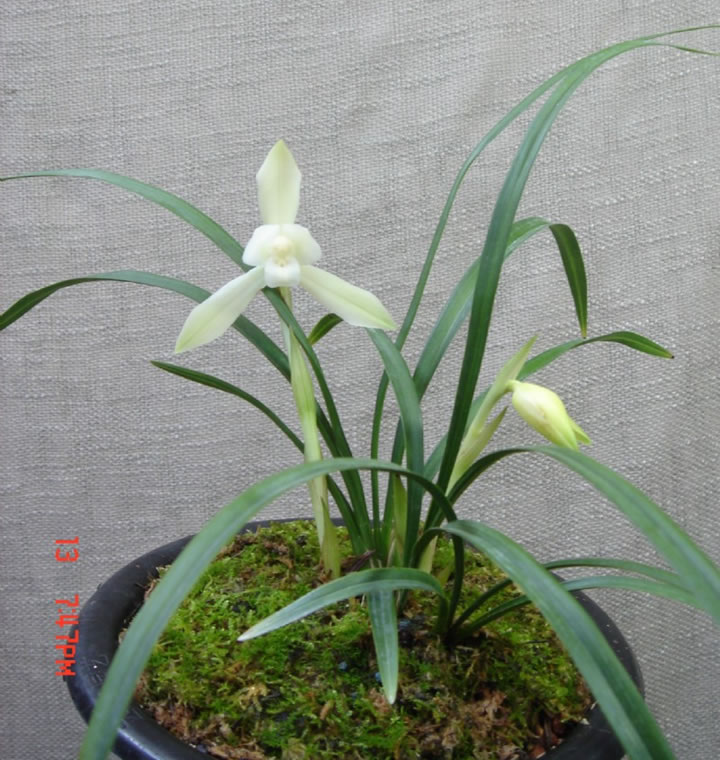
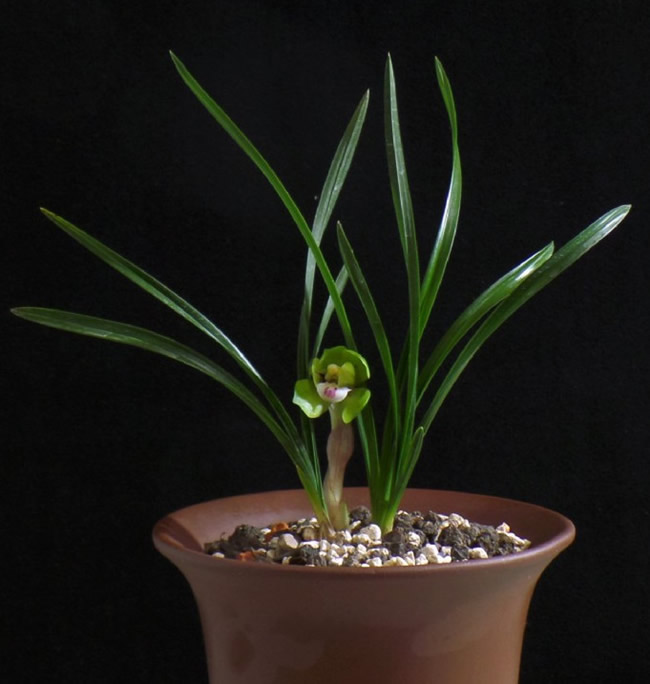
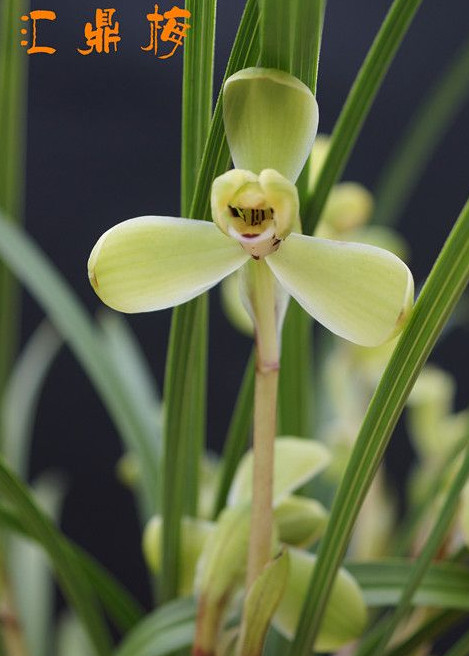
In terms of flower quality, Jiangsu Cymbidium goeringii mostly bears one flower per scape, with flower colors mainly tender green and emerald green, and a delicate, lasting fragrance, belonging to the typical delicate-fragrance type of orchid. Jiangsu orchid enthusiasts have always valued the appreciation of petal types; traditional petal types such as plum petals, lotus petals, and narcissus petals are relatively common among locally bred varieties, and upright flower form with good substance is a universal evaluation standard.
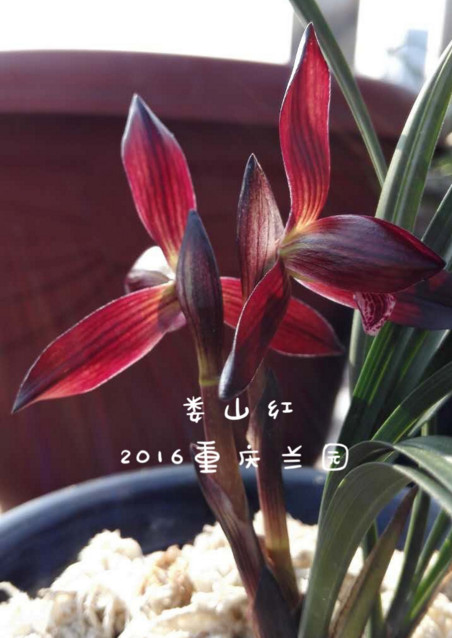
In terms of varieties, Jiangsu Cymbidium goeringii includes both traditional old varieties passed down through generations and new wild-collected varieties that continue to appear, with plain-hearted, lotus-petal, and narcissus-petal types each having their own enthusiasts. In recent years, new types such as edged leaves, crystal, and colored flowers have appeared one after another, enriching the variety structure. When selecting, one can make a comprehensive judgment based on petal type, flower color, fragrance, and leaf posture.
In terms of care, Jiangsu Cymbidium goeringii prefers a warm, humid, well-ventilated semi-shaded environment, and the growing medium should be loose, breathable, and slightly acidic. During the growing period, keep the potting soil moist but not waterlogged; in midsummer, pay attention to shading and cooling; in winter, provide appropriate low temperatures for vernalization, which benefits the quality and fragrance of the flowers the following year.
Common problems mostly center on two aspects: failure to bloom and root rot. The former is often caused by insufficient light or a lack of day-night temperature difference, while the latter is mostly related to overly frequent watering and compacted growing medium. In addition, there are occasional cases on the market of ordinary orchid plants being passed off as famous varieties; when purchasing famous varieties, one should carefully examine the details of the leaves and flower quality, and try to buy through reputable channels.
Related Reading