Flower thrips identification and control: a common small pest in flower growing
Flower thrips are a tiny pest of the order Thysanoptera, family Thripidae. Adults generally measure only one or two millimeters in body length, are mostly yellowish-brown in color, and have narrow, elongated wings fringed with fine hairs. Their host range is very broad: orchids, roses, chrysanthemums, and many other ornamental flowers and economic crops can all be affected, making them one of the more common pests in greenhouse and balcony flower-growing environments.
Adult and nymph flower thrips rasp and suck the sap of flowers, young leaves, and young fruit. Affected petals often develop silvery-white or pale brown streaks and spots; in severe cases the petals curl, become deformed, and drop early, and new leaves may also become twisted and crinkled. Because the insects are extremely small and skilled at hiding in flower centers and on the undersides of leaves, they are often hard to notice early on; by the time mottled flower color is spotted, the damage has usually been ongoing for some time.
For control, a combination of methods is best. In routine care, keeping the environment well ventilated and promptly clearing away spent flowers and fallen leaves can reduce the buildup of pest sources; in greenhouse environments, blue or yellow sticky traps can be hung up to attract and kill adults, which also helps with monitoring pest activity. When pest numbers are high, targeted pesticides can be sprayed, with attention to rotating chemicals and covering hidden areas such as flower centers and leaf undersides, so as to avoid rising resistance from long-term use of a single product.
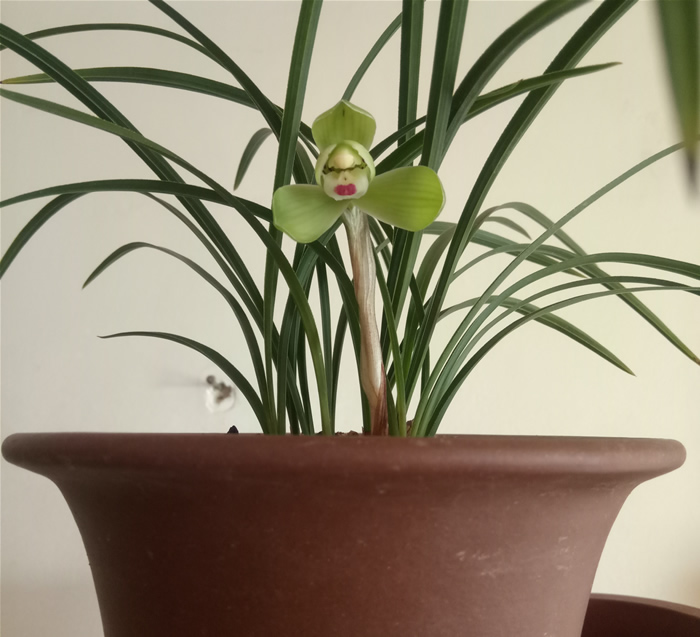
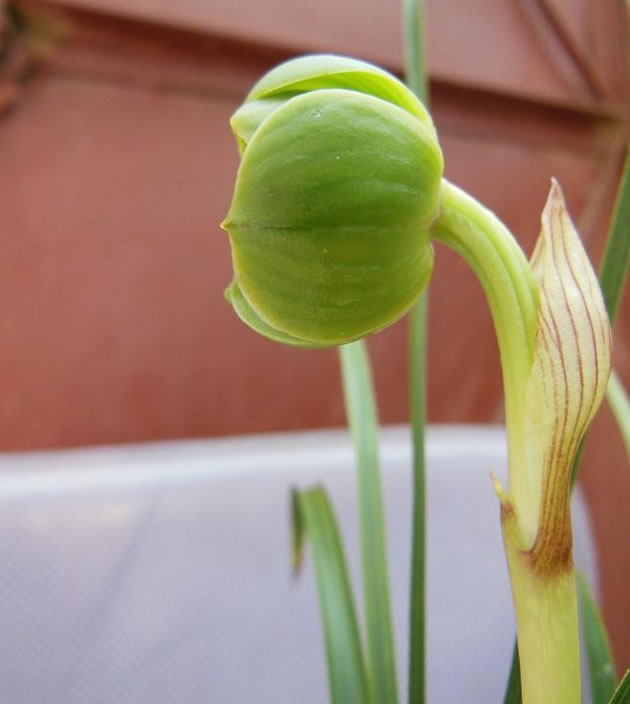
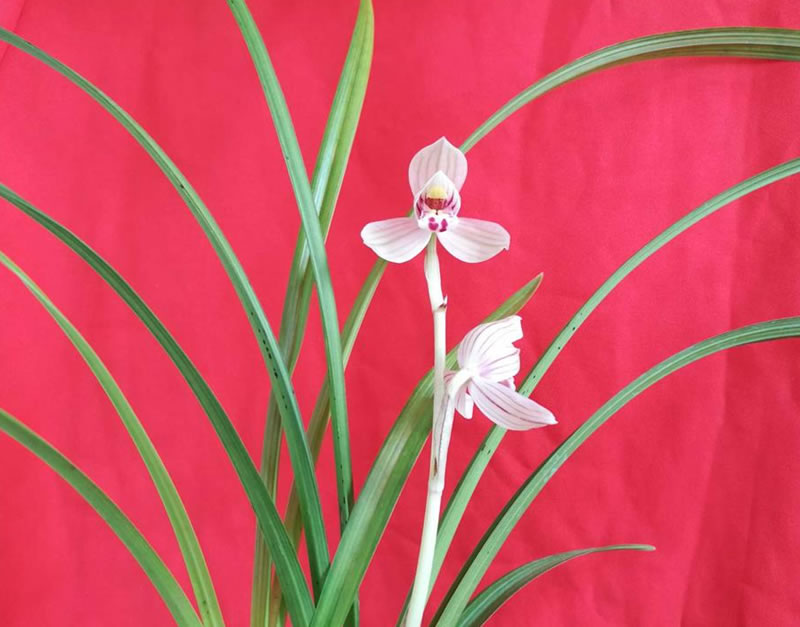
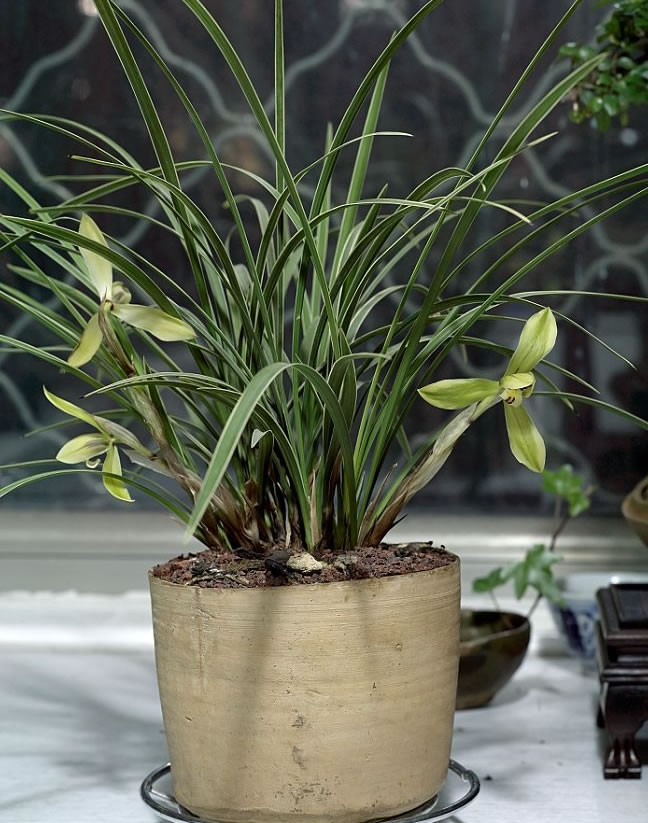
For flower-focused plants such as orchids, thrips damage directly affects flower quality, so observation should be strengthened before and after the flowering period, and any abnormal buds should be dealt with as early as possible. Newly introduced plants are best isolated and observed for a period first, and only placed together with existing plants once confirmed pest-free; this reduces the risk of cross-infection at the source.