An Introduction to the Variety Characteristics and Everyday Care of the Red Swallow Orchid
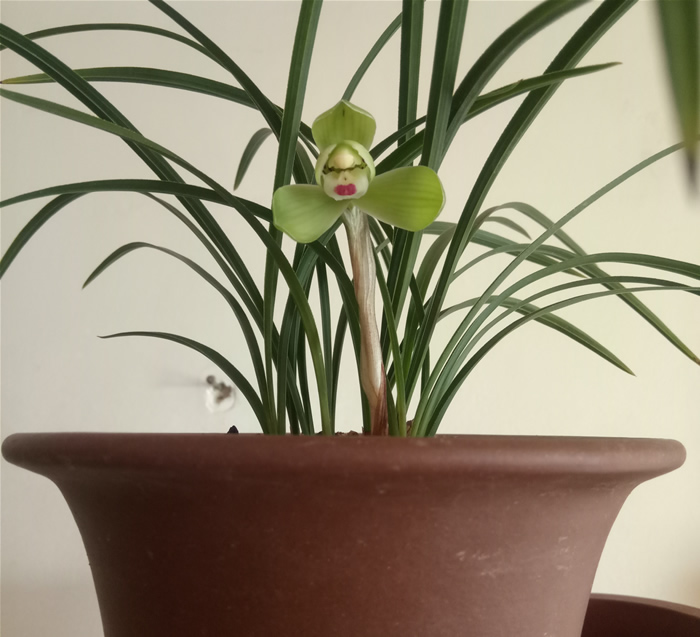
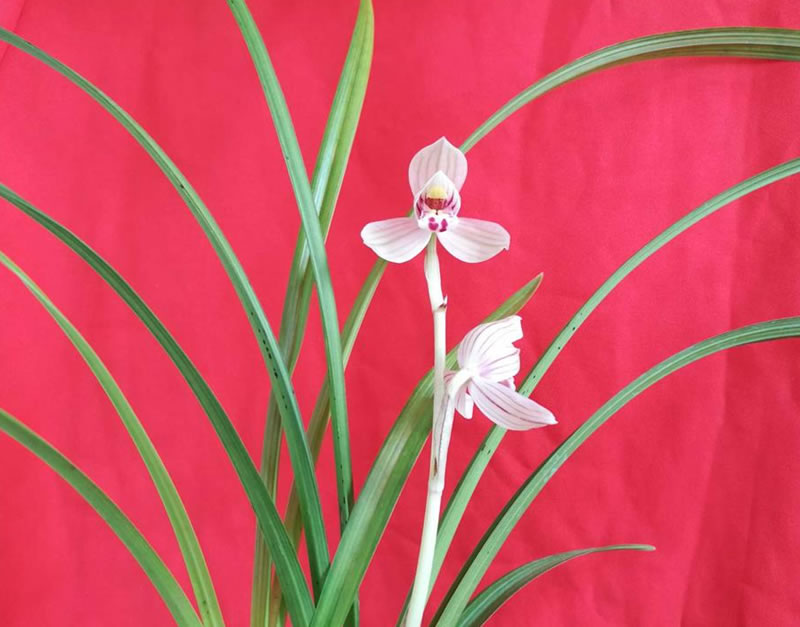
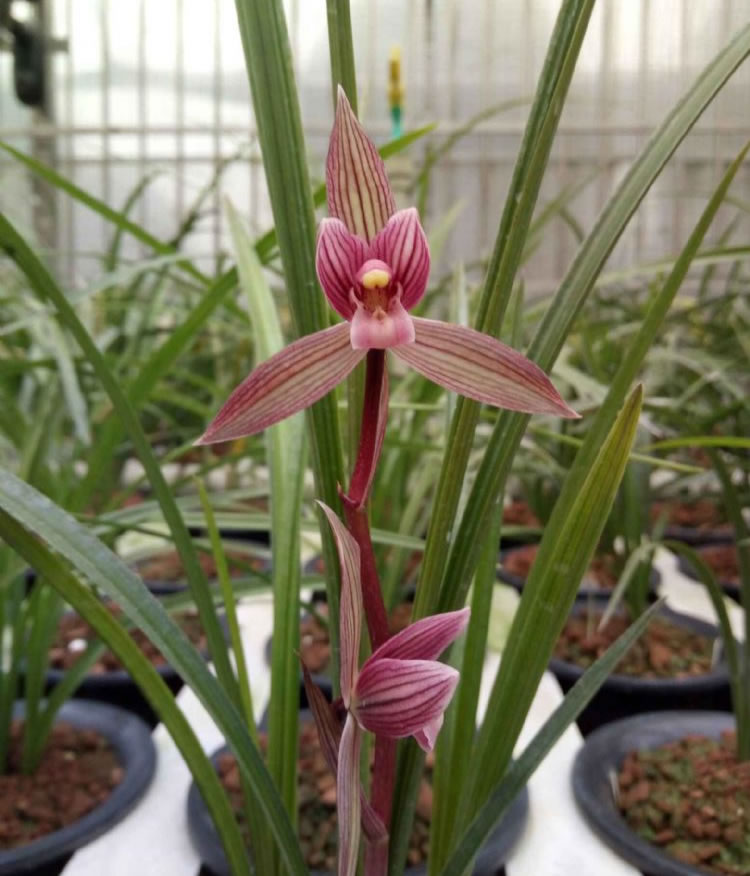
Red Swallow is a horticultural variety among Chinese orchids prized for its flower color and flower posture. The name alone conjures a vivid image: the character for red points to the dominant hue of the bloom, while the character for swallow calls to mind the light, gliding posture of a swallow skimming over water. It is often mentioned in exchanges among orchid growers in China, and is suitable both for display on its own and as part of a variety collection.
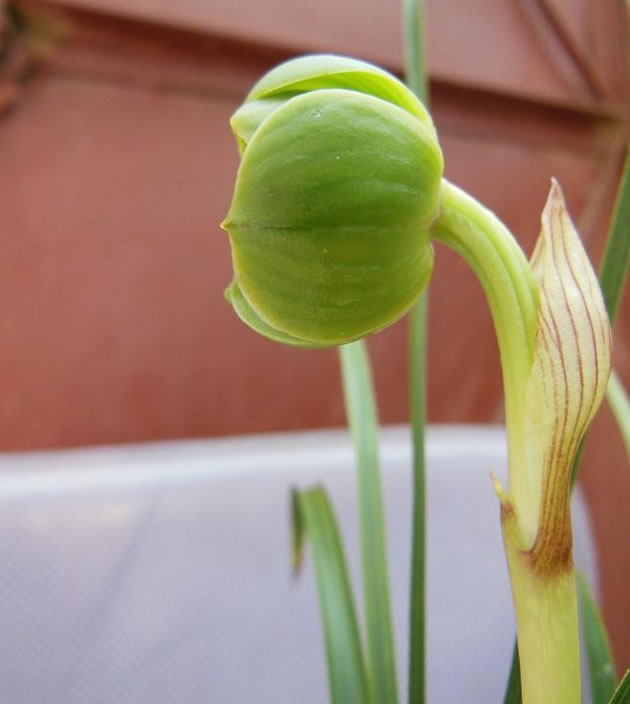
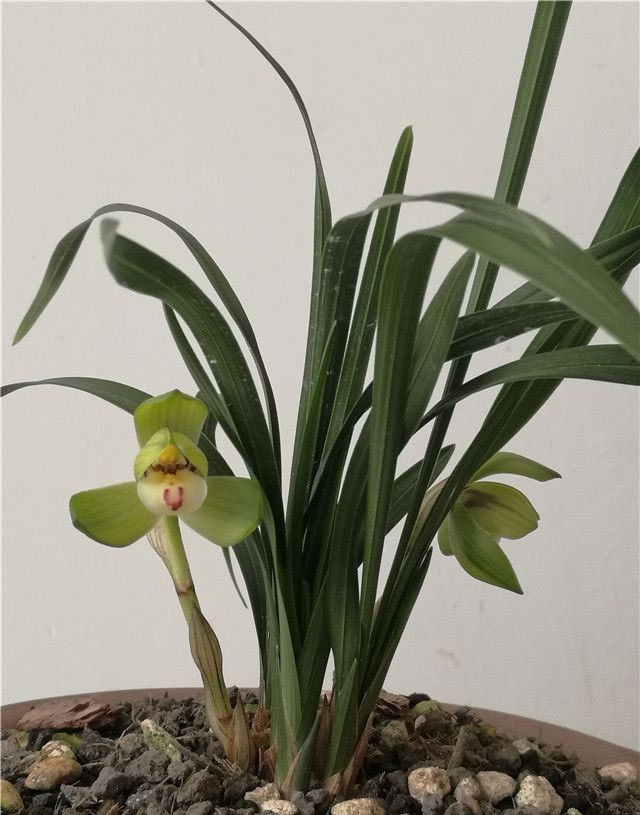
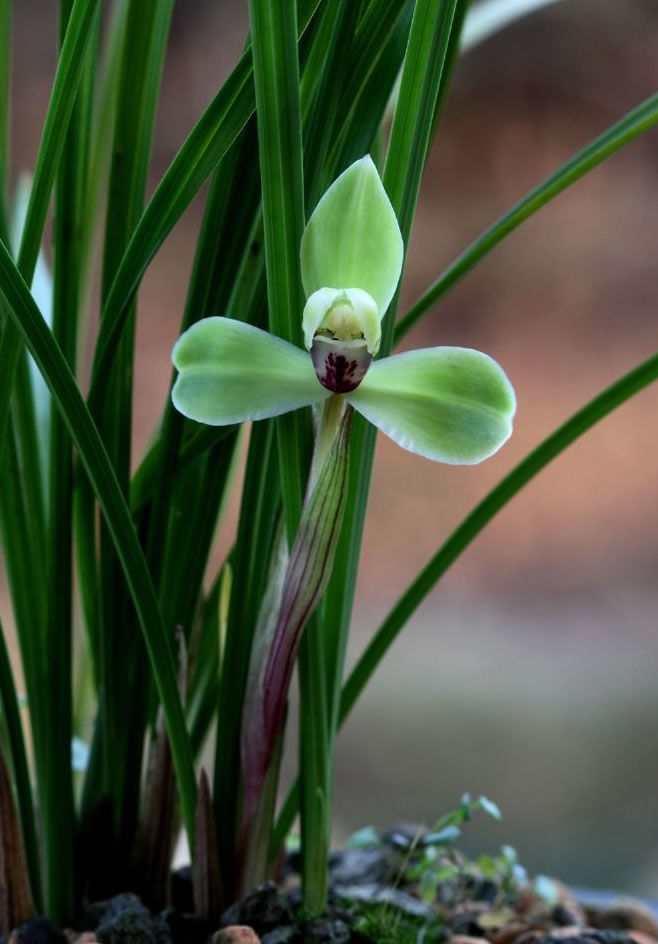
From an ornamental standpoint, the main attractions of Red Swallow are its flower color and the quality of its bloom. Chinese orchids are valued for combining color, fragrance and charm, and Red Swallow is fairly appealing in color; when paired with a subtle fragrance and crisp leaf posture, its overall ornamental value is even higher. It should be noted that the same variety will show noticeable differences in bloom quality under different potting media, light and temperature differentials, and this is precisely where the pleasure of growing orchids lies.
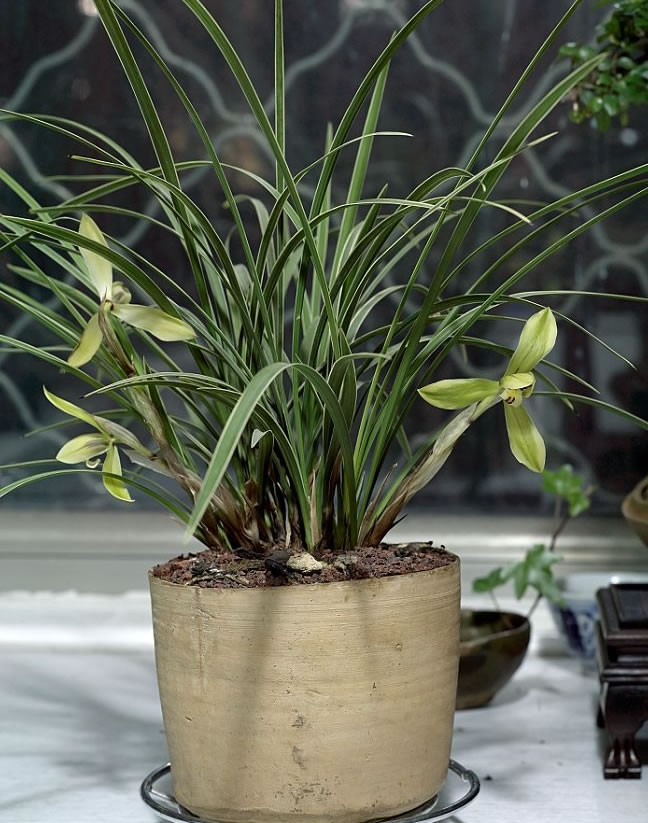
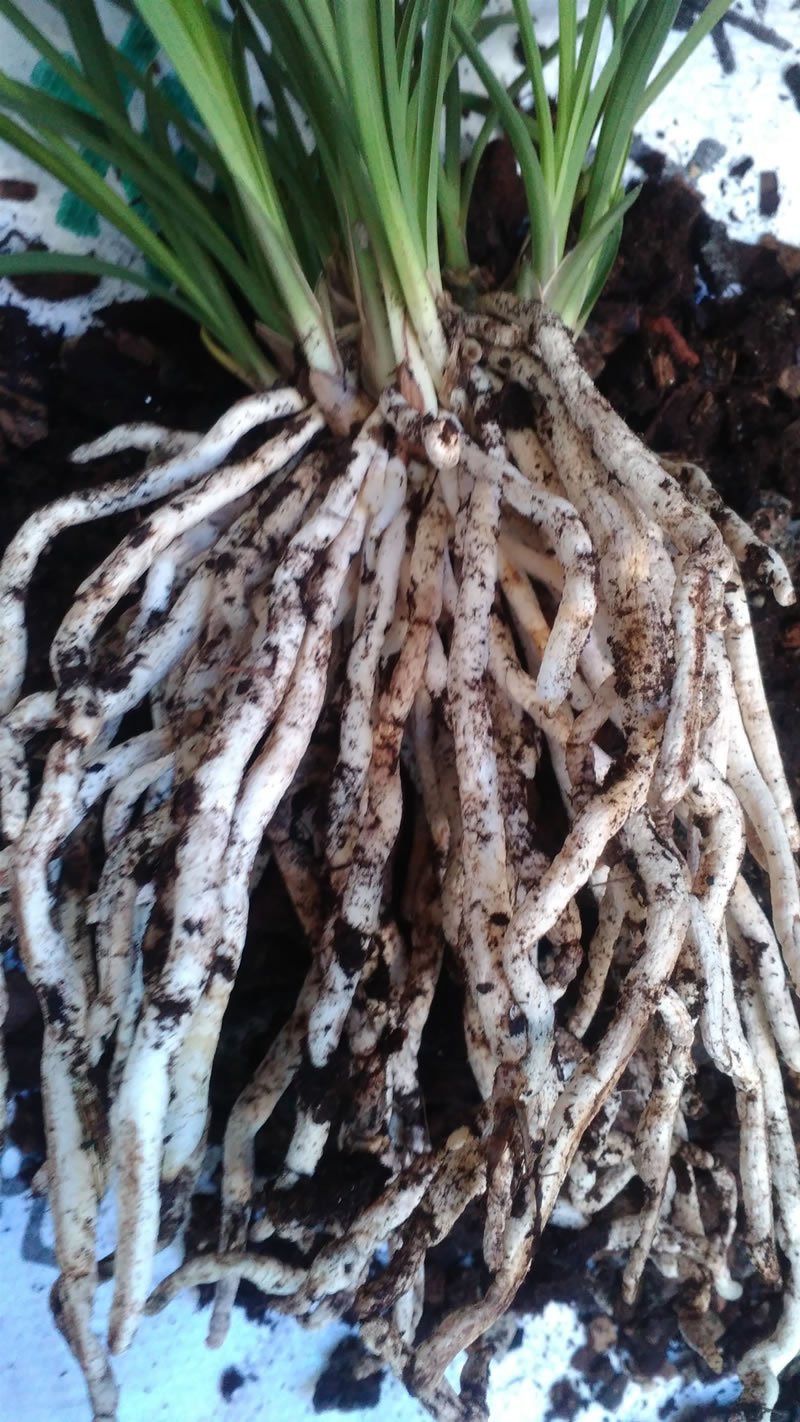
In terms of cultivation, Red Swallow has habits similar to most Chinese orchids, preferring a loose, breathable, well-draining and slightly acidic potting medium. Before use, the medium is best given secondary treatment such as washing, disinfection or thorough composting, to reduce residual pathogens and insect eggs. Watering should follow the principle of drying out between waterings; it is better to err on the dry side than to stay wet for long, and good ventilation is the key to preventing root rot.
In everyday care, the problems commonly seen with Red Swallow are mostly scorched leaf tips, yellowing leaves and stalled growth, which are often related to alkaline water, overly concentrated fertilizer or a stuffy, humid environment. In spring and autumn, fairly ample indirect light can be given; in summer, take care to shade and cool the plant; in winter, keep the potting soil slightly moist to on the dry side. This helps the plant accumulate nutrients and bloom again successfully the following year.