He Xin is a orchid grower focused on the cultivation and exchange of traditional Chinese orchids
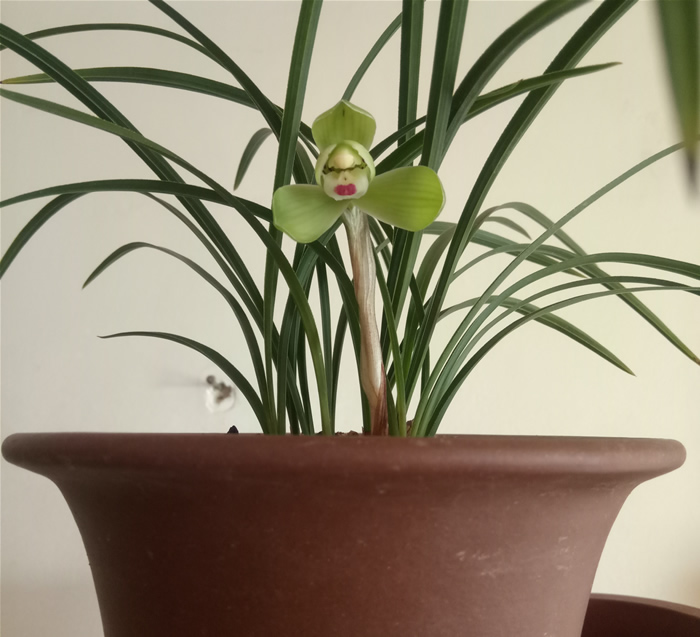
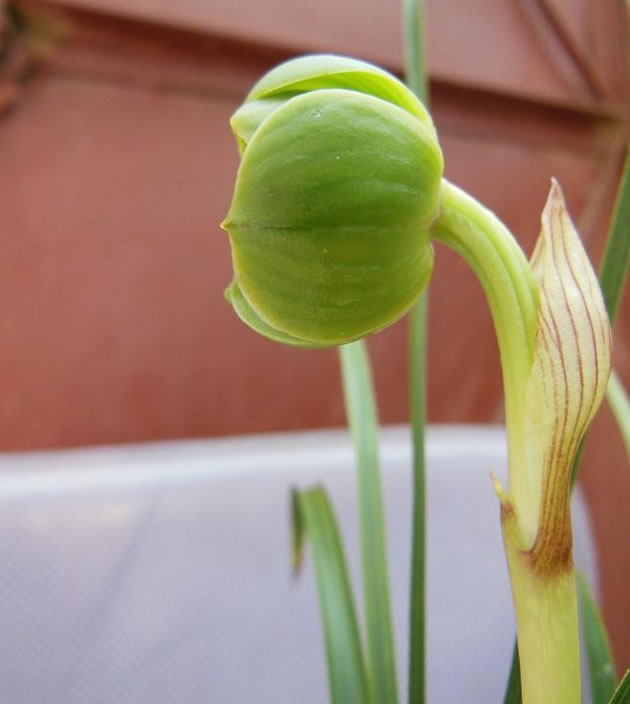
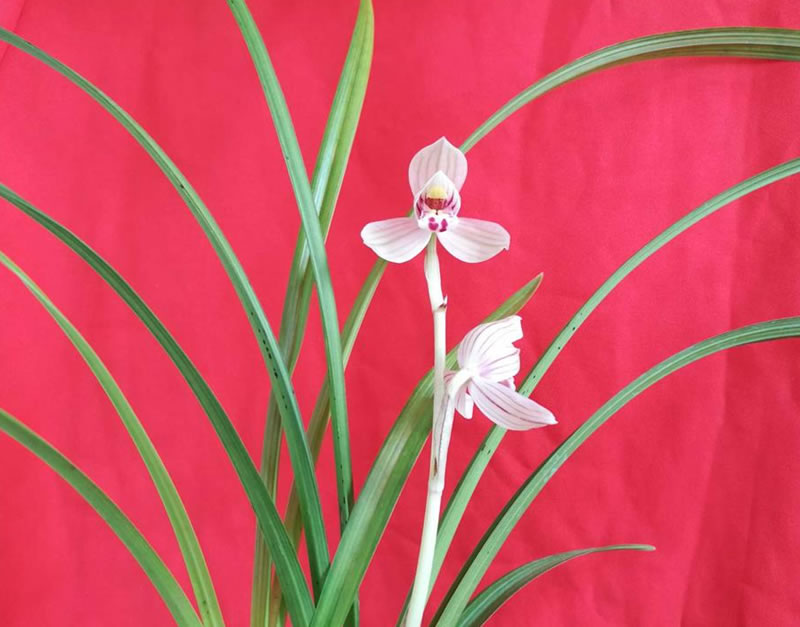
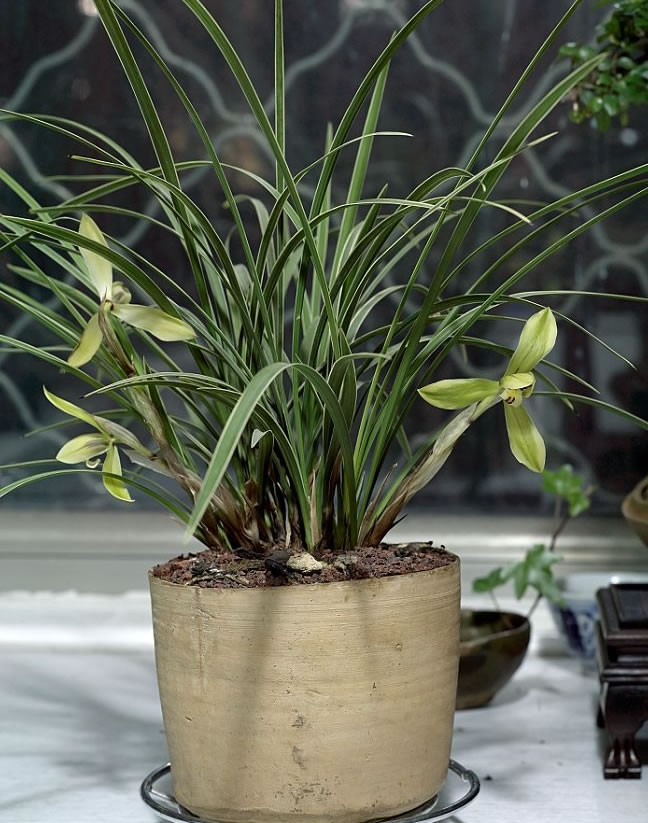
He Xin is an orchid grower often mentioned in orchid enthusiast circles, mainly engaged in the cultivation and exchange of traditional Chinese orchid varieties such as Chunlan (Cymbidium goeringii). Judging from related topics on the site, his name is often associated with varieties of the lotus-petal type and variegated-edge-leaf type, reflecting a preference for and accumulated experience with traditional orchids.
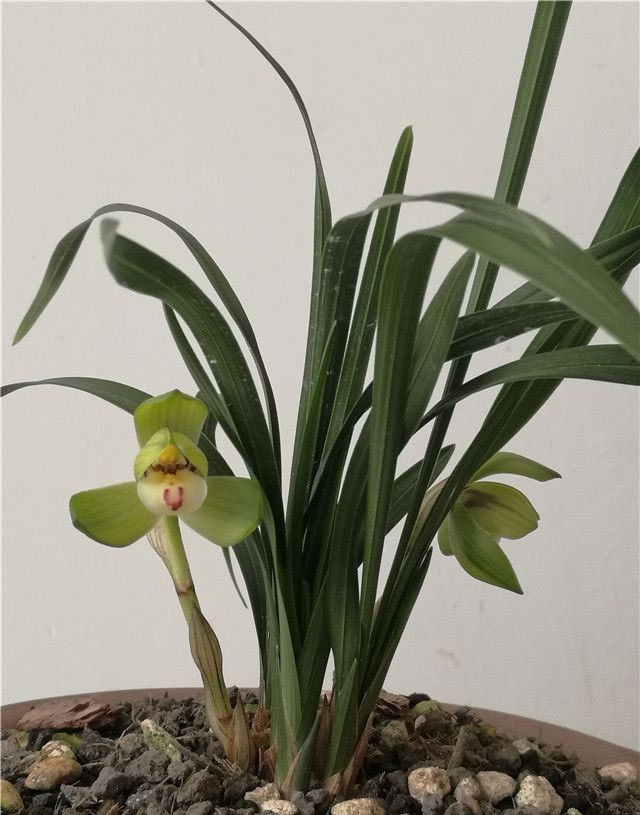
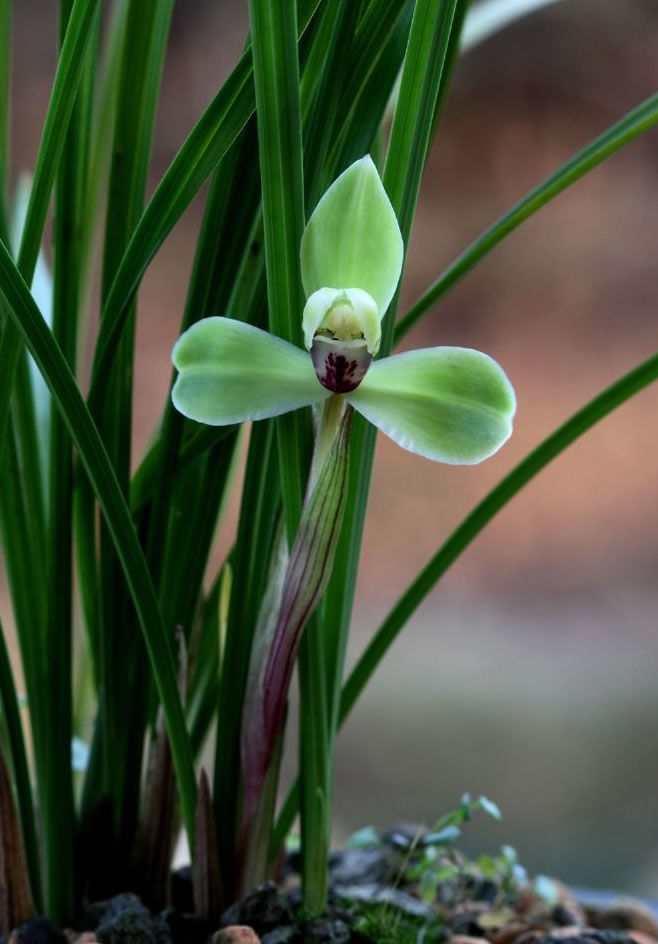
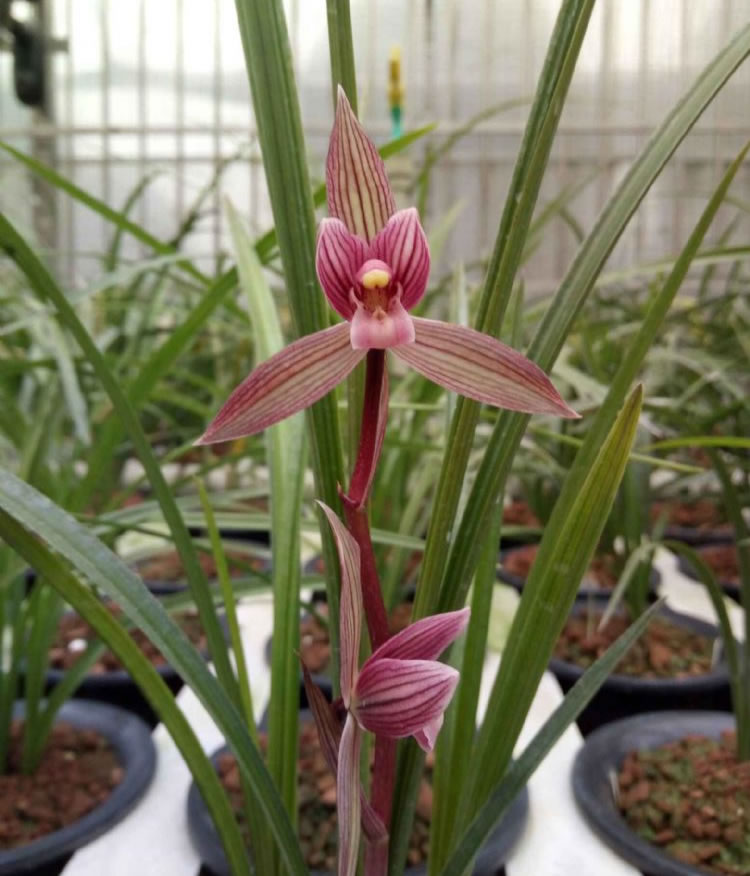
Lotus-petal Chunlan orchids emphasize a constricted base and flared shoulders, round and substantial petals, and a well-formed flower that holds its shape, making them a classic in petal-type aesthetics; variegated-edge-leaf orchids, by contrast, win on the artistry of their leaf margins, being pleasing both for foliage and flower. The lotus-type flowers among Lianban orchids (Cymbidium tortisepalum) are likewise deeply loved by orchid growers. Although different species of traditional Chinese orchids differ in flowering period and plant form, their care approaches share much in common.
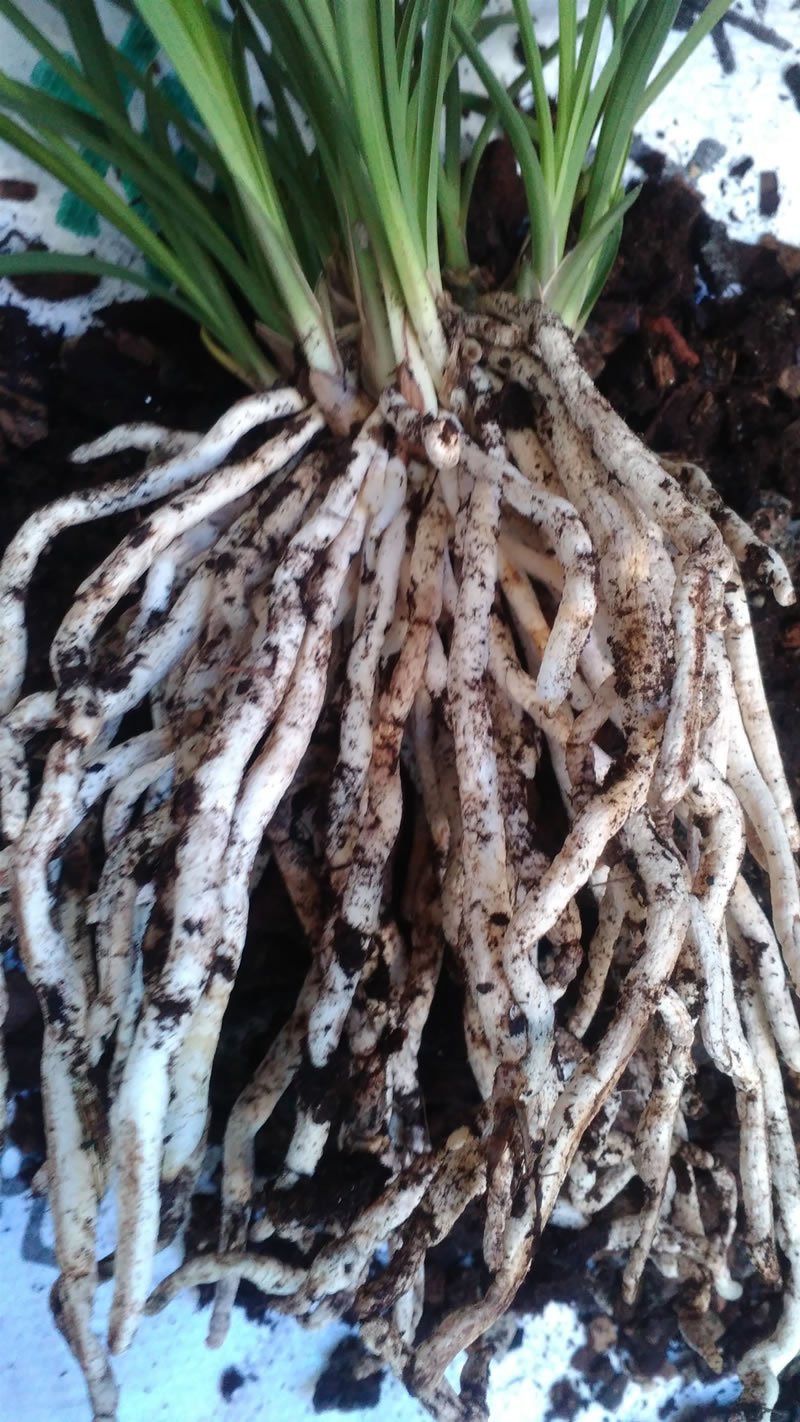
In daily care, potting medium and watering are two unavoidable steps. Screening, disinfecting, and soaking the potting medium before potting can reduce hidden risks from pathogens and impurities; watering emphasizes alternating dry and wet and proceeding step by step. In orchid circles it is often said that watering takes three years of skill, precisely because this craft requires long-term practice to master.
For growers just starting out, you can refer to the hands-on experience shared by orchid growers like this, but you should also adjust flexibly according to local climate, ventilation, light, and humidity conditions, avoiding rigid imitation. Only by observing the plant's condition more and keeping diligent records can you gradually figure out a method of orchid care suited to your own environment.