Pink Sweetheart Orchid: Variety Characteristics and Care Guide
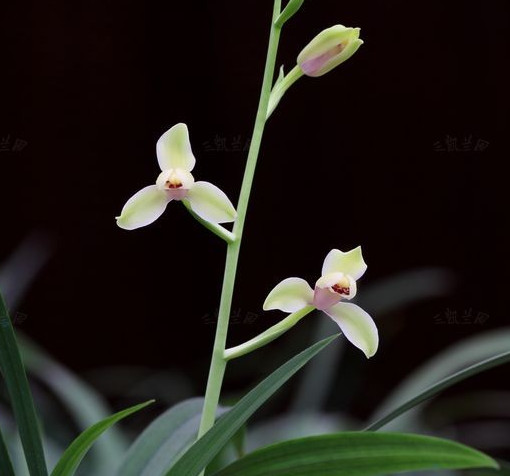
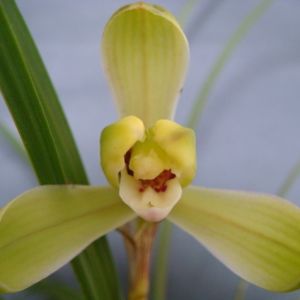
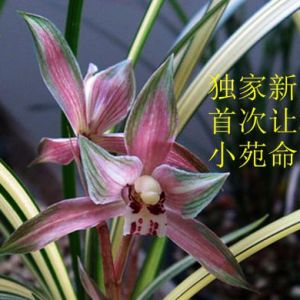
Pink Sweetheart is an ornamental orchid variety named for its flower color, and it is fairly common in orchid growing and exchange activities. Its name comes from the soft pink tones the flowers display; the color is gentle and warm, the flower form is elegant, and the overall look is sweet and easy on the eye, which is why many orchid enthusiasts like it.
In terms of form, Pink Sweetheart has slender, graceful leaves, and the flowers are borne on the flower stalk; when they open, the petals are often pink or pinkish white, and some plants also carry a light, delicate fragrance. Its flowering period and the quality of its blooms vary with the growing environment, plant age and level of care, and the same variety may also perform differently in different regions.
For care, Pink Sweetheart has requirements similar to those of general Chinese cymbidiums. The growing medium should be loose, breathable and well drained, for example a mix of bark chunks, Kanuma soil and tree fern fiber, to avoid water accumulating in the pot and causing root rot. In daily care it can be placed in a spot with scattered light, and direct sun exposure should be avoided. Water according to the principle of letting the medium dry before watering again, apply light fertilizer frequently during the growing season, and provide proper cold protection and insulation in winter.
In terms of use, Pink Sweetheart is suitable as a potted plant placed on a balcony, in a courtyard or in a study, adding an elegant touch to the home environment, and it also often appears at orchid shows and gatherings of flower enthusiasts. When buying, it is advisable to choose plants with intact leaves, strong roots and no disease spots or pests. After potting, let them recover first and then gradually move to normal care, which is better for establishing in the pot and for future flowering.