Proper fertilizing is the basic skill for fertilizing orchids correctly
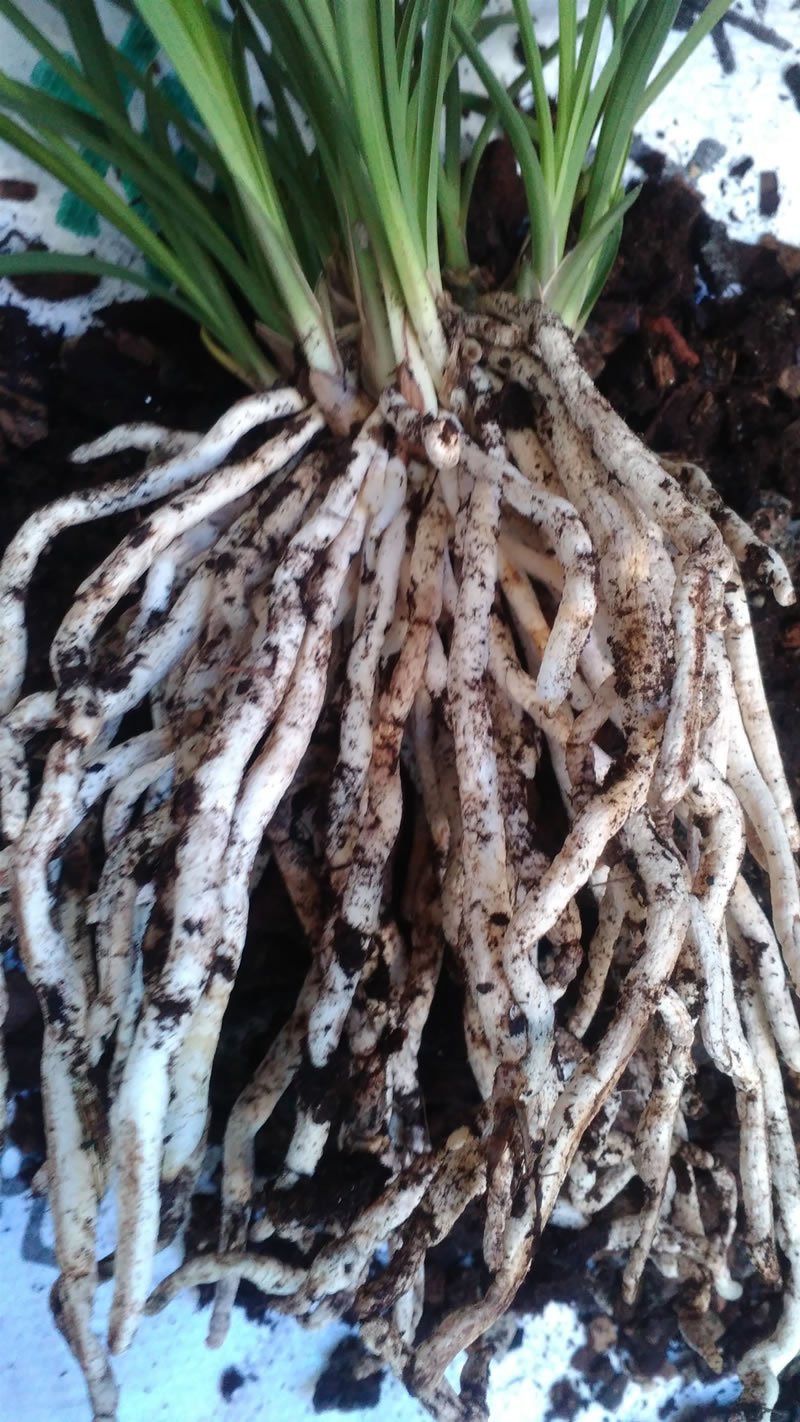
"Proper fertilizing" is a common term in orchid care; it roughly means fertilizing correctly, with the nutrient supply neither too much nor too little, but just right. Orchid roots are mostly fleshy roots with a limited ability to absorb nutrients, and both concentrated fertilizer and raw fertilizer easily burn the roots and damage the plants. That is why orchid growers often put proper fertilizing on par with watering, regarding it as a basic skill that needs long-term accumulation.
Orchids grow slowly and do not consume much fertilizer, while their potting medium is valued for being loose and airy, so its ability to hold fertilizer is only average. Too much fertilizer cannot be retained, while too little will not support growth. The key to proper fertilizing therefore lies not in applying more, but in applying lightly and at the right time. During the peak growing seasons of spring and autumn, normal fertilizing can be done, but in the high heat of midsummer and the low temperatures of winter, when the plants are nearly dormant, fertilizing should be stopped or reduced, and it should also be restrained before and after flowering, so the plants can have both activity and rest.
To achieve proper fertilizing, the general approach is to first look at the plant before deciding on the fertilizer. Strong plants with good roots can be fertilized routinely, while weak plants and newly potted plants should first be grown clean, and only after they have settled in and produced new roots should fertilizer be gradually given. The concentration of the fertilizer solution should be lighter rather than stronger, and can be diluted a little more than the instructions say; pour it along the edge of the pot, avoiding the root crown and new shoots, and one day after application, water once with clear water to make the fertilizer in the potting medium more evenly distributed.
When fertilizing is improper, orchid plants show obvious reactions: scorched and blackened leaf tips, hollow and darkened root tips, and new shoots that stall as soon as they emerge are mostly signs of excessive fertilizer. At this point, a heavy watering can be used to leach the potting medium and dilute the remaining fertilizer; in severe cases, the plant needs to be repotted with fresh medium and replanted. There is no universal formula for proper fertilizing; the right measure varies with the variety, plant vigor, potting medium and climate, and orchid growers need to explore it slowly in their own environment. When fertilizer and water are handled properly, orchid plants will naturally have moist leaves, strong roots and spirited blooms.