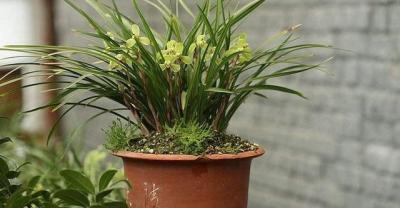
A detailed guide to growing azaleas: soil, light, watering and fertilizing all in one go
Azalea is the collective name for plants in the genus Rhododendron of the family Ericaceae, also known as yingshanhong. It comes in rich flower colors, commonly red, pink, white and purple, and is one of China's traditional famous flowers. It usually blooms in spring, and when the flowers open in clusters it is highly ornamental. It is suitable both for planting in the ground in courtyards and often for growing in pots placed on a balcony or in a living room.
Azalea varieties can be roughly divided into categories such as spring azaleas, summer azaleas, Western azaleas and Eastern azaleas, with slight differences in how early or late they bloom. It has one obvious habit: it likes acidic soil, and at the same time likes moist and semi-shaded conditions, and dislikes strong direct sunlight and alkaline soil. This point is especially important in care.
When caring for azaleas, mixing the soil is the first step. It is best to use a loose, breathable, acidic soil rich in humus, such as leaf mold combined with pine needle soil or peat soil. Watering follows the principle of watering when dry and letting it dry out between waterings; water must not sit in the pot for long periods, otherwise the roots rot easily. Water in northern regions tends to be alkaline, so a ferrous sulfate solution or alum fertilizer water can be applied regularly to help maintain soil acidity and prevent the leaves from turning yellow.
For daily placement, choose a spot with scattered light, and in summer pay attention to shading and ventilation. Fertilizing should be light and frequent; around the flowering period, phosphorus and potassium fertilizer can be added appropriately, and after flowering, spent flowers and leggy branches should be pruned promptly to help it bloom the following year. In winter, keep it warm and avoid direct cold wind.
As for common problems, if the leaves turn yellow, it is mostly related to soil becoming alkaline, overwatering or iron deficiency; bud drop is often caused by air that is too dry, sudden temperature changes or frequent moving. As long as you understand its habits, the azalea is not difficult to grow, and once it is grown well it can produce branches full of flowers year after year.