Dayima is a variety of orchid that blooms more easily with proper care
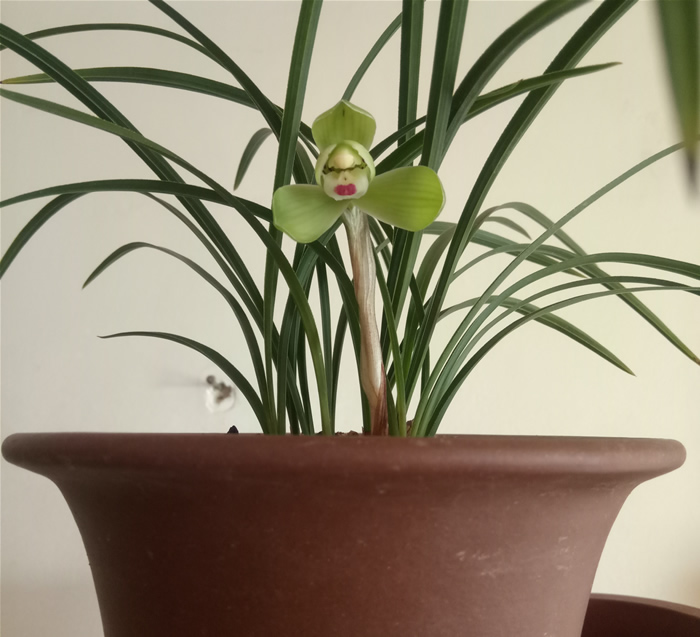
Dayima is a variety name that has appeared in Chinese orchid cultivation exchanges, an ornamental plant belonging to the genus Cymbidium in the orchid family. Like many traditional famous varieties, it is passed down by its variety name, and the name is often connected to its place of origin, form, or the circumstances of its discovery. For ordinary orchid growers, it can be recognized and cared for as one member among the many Chinese orchid varieties.
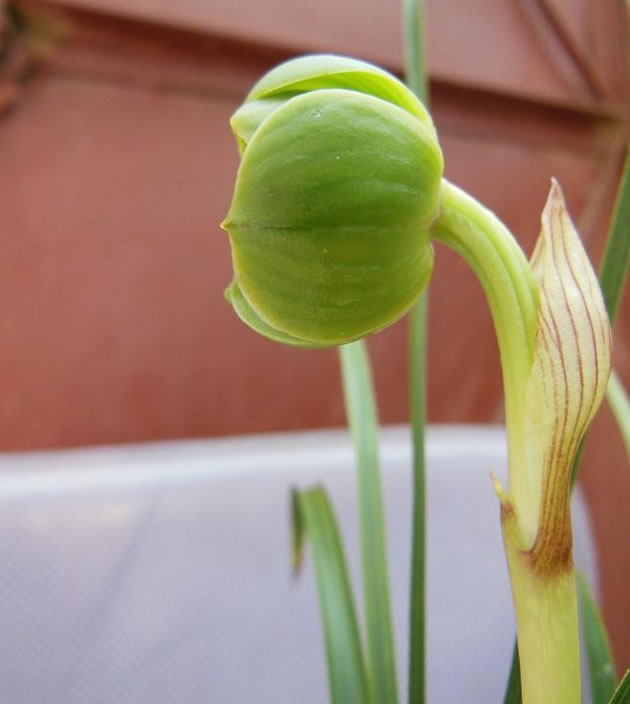
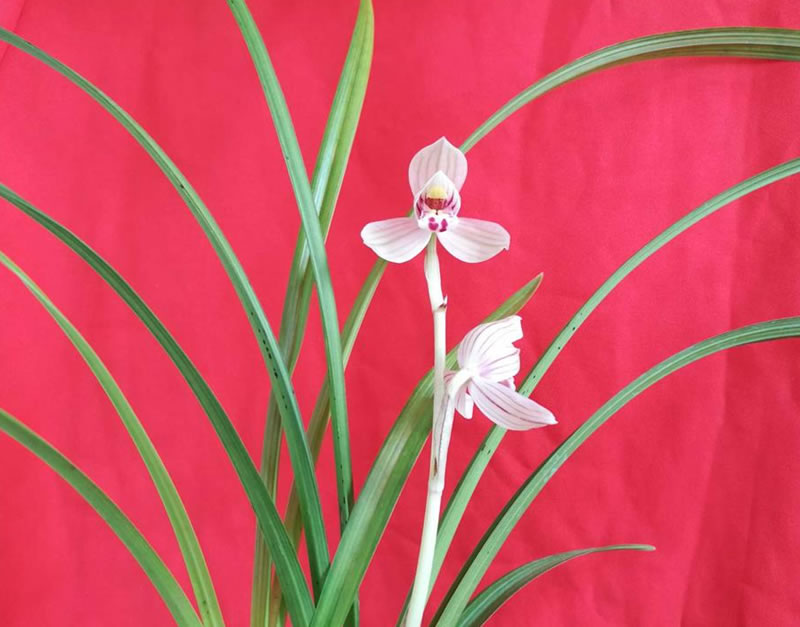
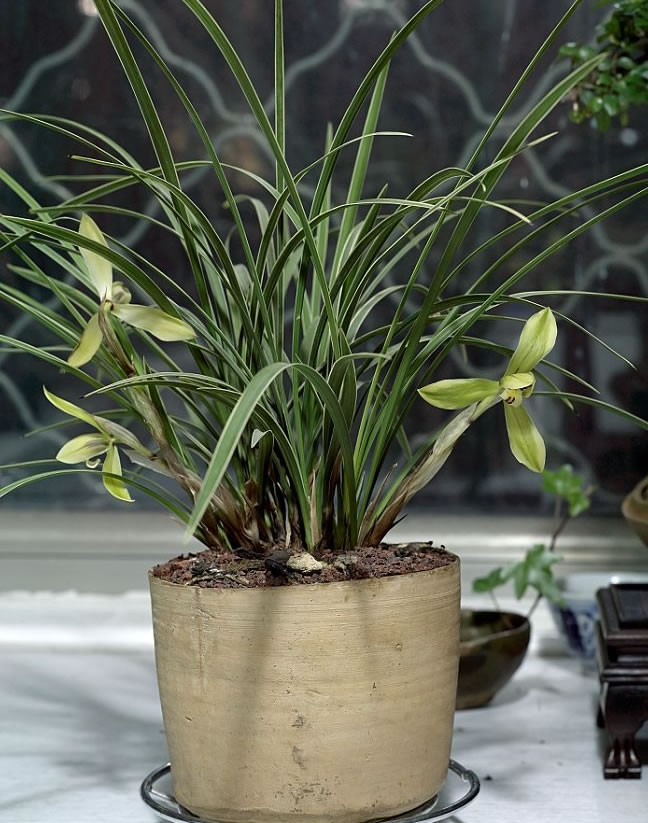
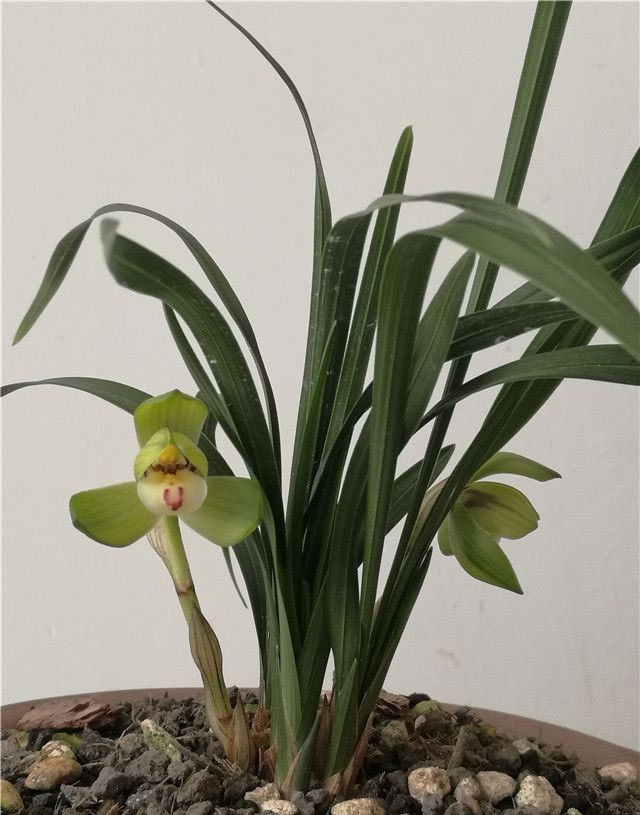
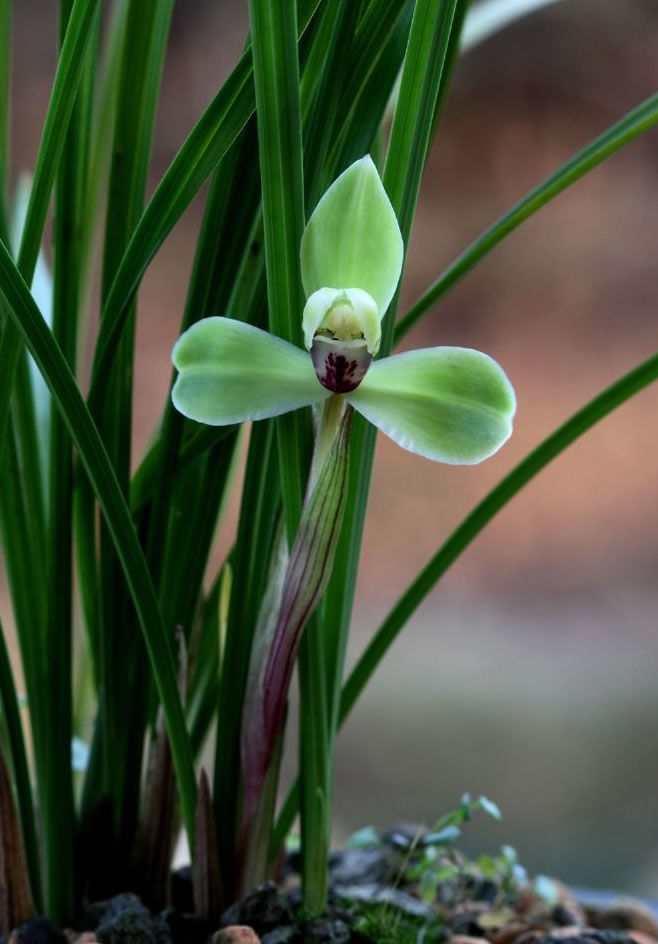
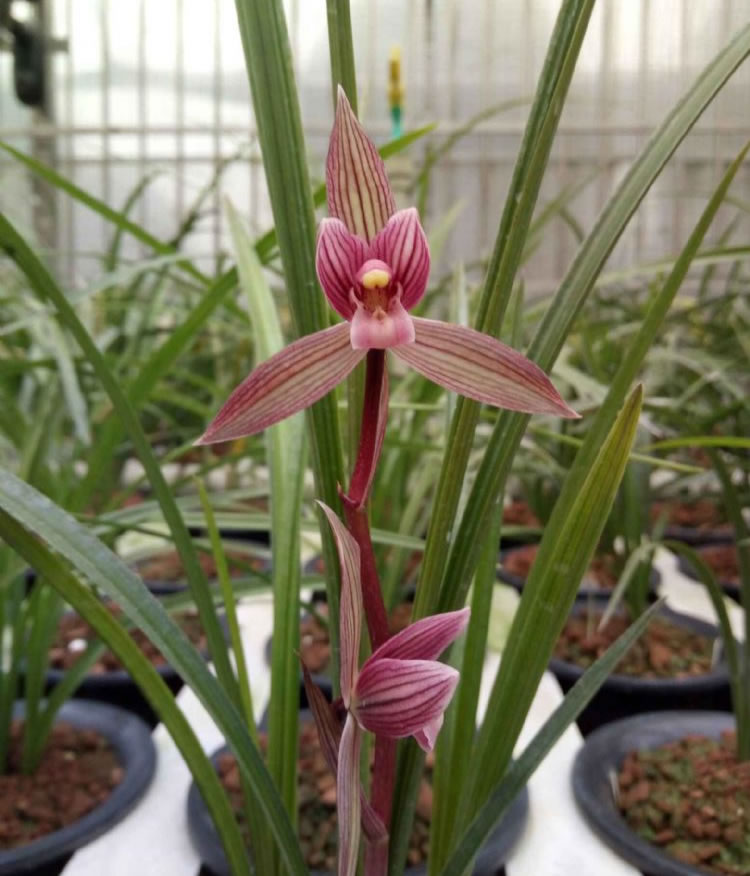
The appreciation of Chinese orchids emphasizes petal type, flower color, fragrance, and leaf posture. For named varieties, orchid growers usually pay attention to whether the petals have a contracted base and flared corners, whether the inner petals are compact, whether the flower color is bright and pure, and whether the fragrance is delicate and lasting. The uprightness and luster of the leaves and the overall plant shape are also important references in evaluation.
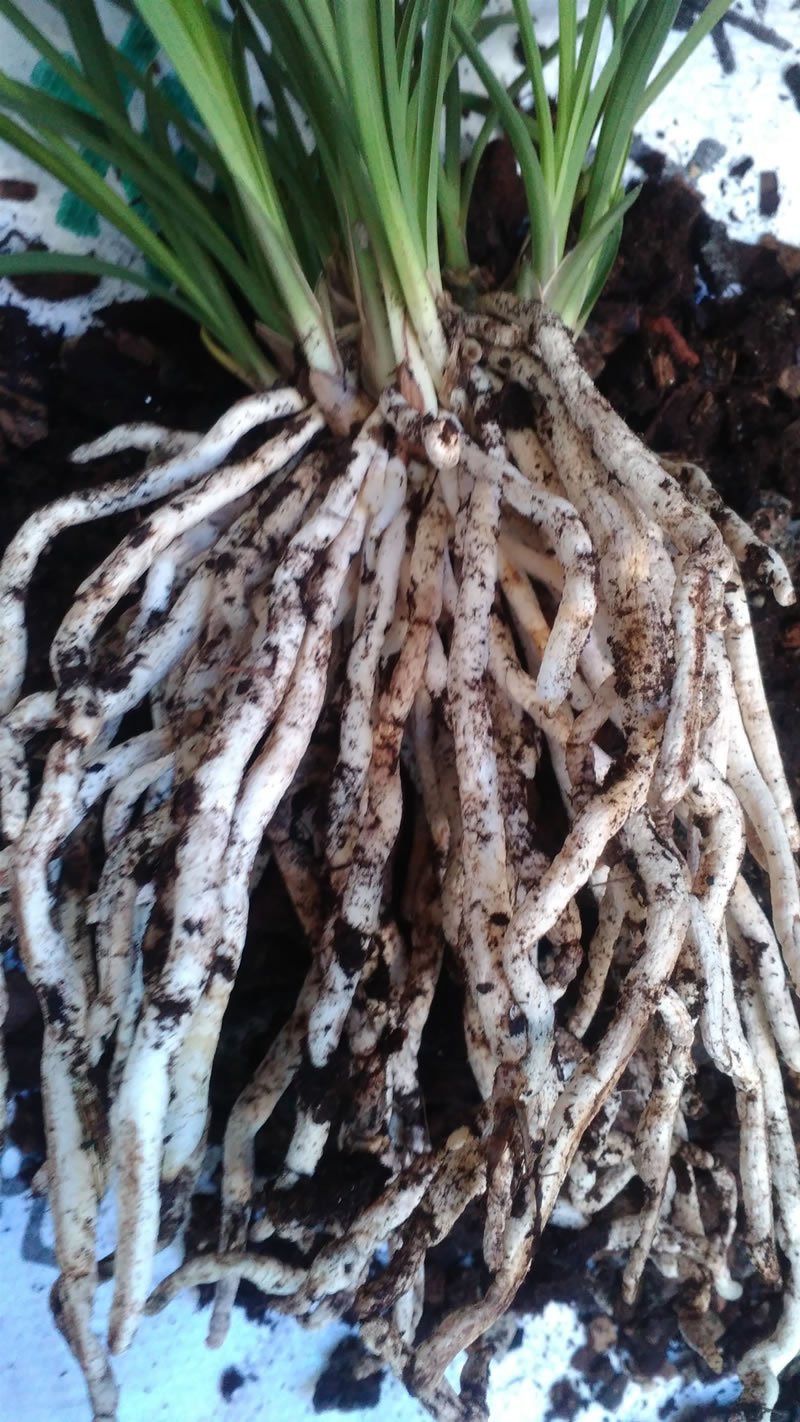
In terms of care, Dayima has requirements similar to those of ordinary Chinese orchids. The potting medium should be loose, breathable, slightly acidic, and rich in humus; it can be mixed from bark, Kanuma soil, and tree fern, and before use it should be sifted, soaked, or steamed as a secondary treatment to reduce impurities and pathogens. Watering emphasizes drying between waterings; in orchid circles it is often said that "watering takes three years of skill," and it is better to water less than too much, avoiding water accumulation in the pot that causes root rot. In daily care, place it in a well-ventilated environment with scattered light, provide appropriate shading in summer, pay attention to keeping it warm in winter, and apply light fertilizer frequently.
Common problems are mostly related to water, fertilizer, and the environment. Watering too frequently easily causes root rot; dry air or fertilizer burn can cause leaf tips to scorch; and insufficient light or a small day-night temperature difference makes flowering difficult. When acquiring plants, it is recommended to choose seedlings with strong roots, plump pseudobulbs, and no pests or diseases; division and repotting should preferably be done after flowering or in spring. During the acclimation period, disturb the plant as little as possible; once it has settled into the pot, its growth will be more stable.