An Introduction to the Flower Shape Characteristics and Everyday Care Methods of Da He Orchid
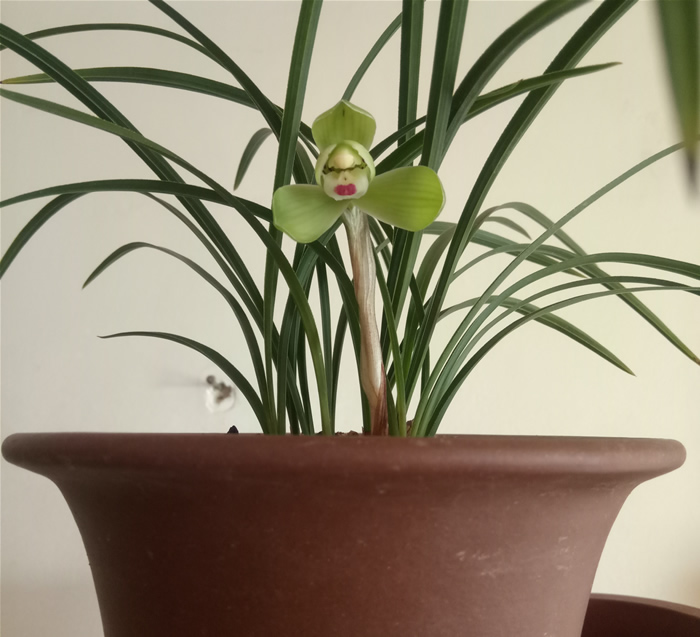
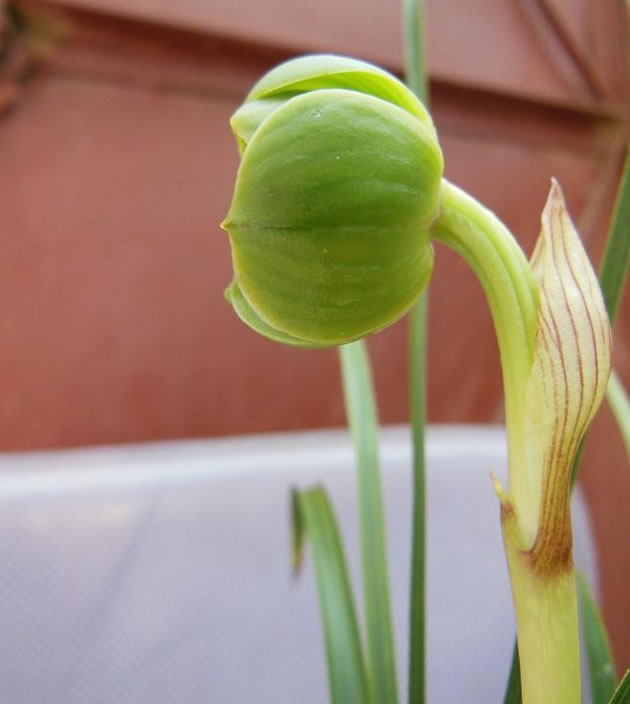
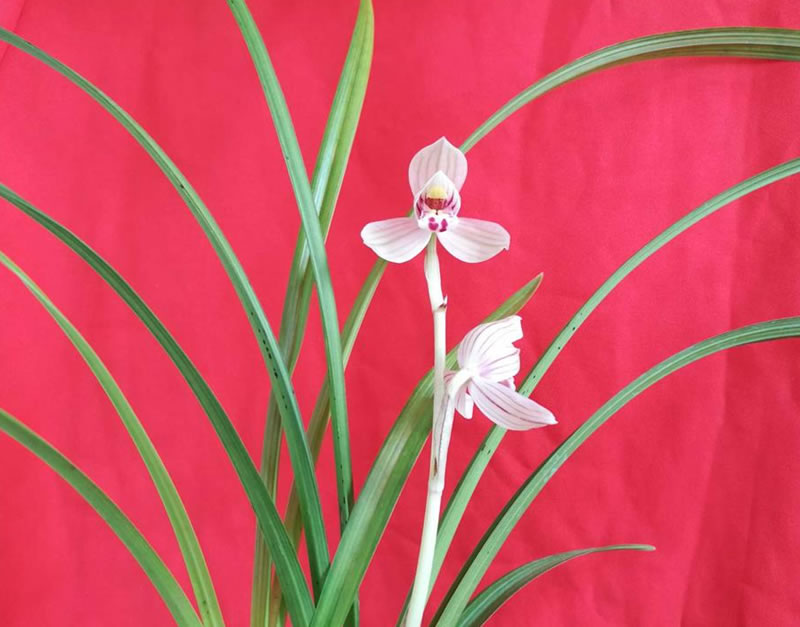
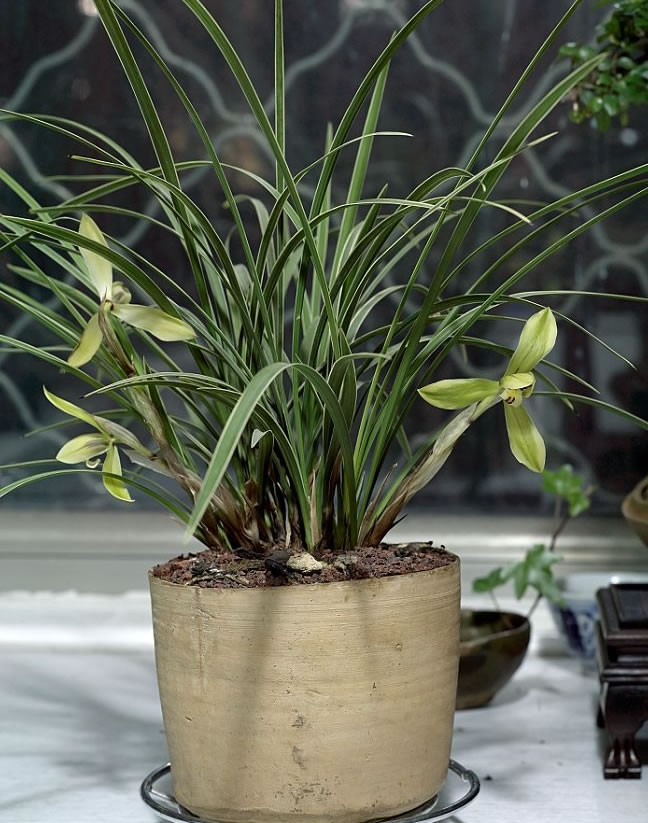
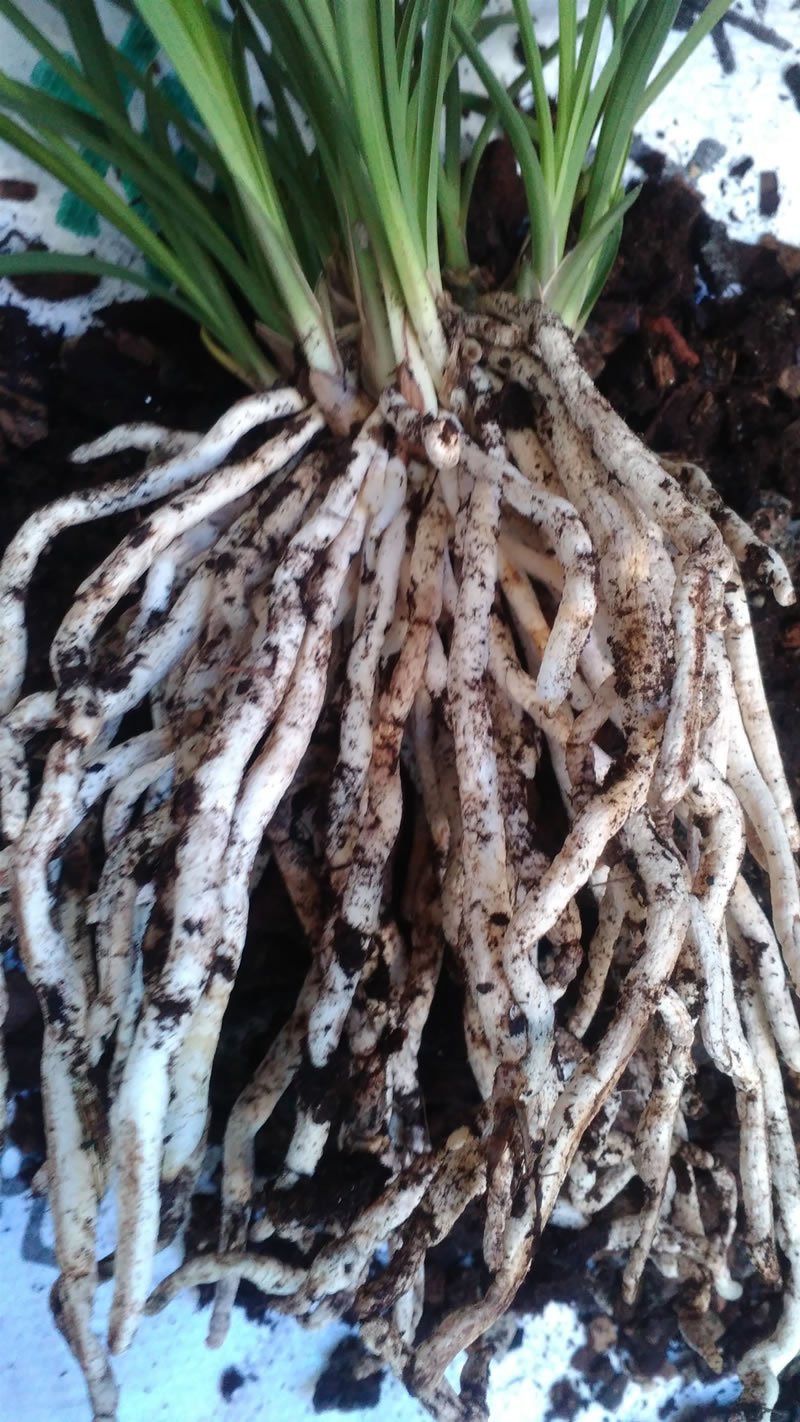
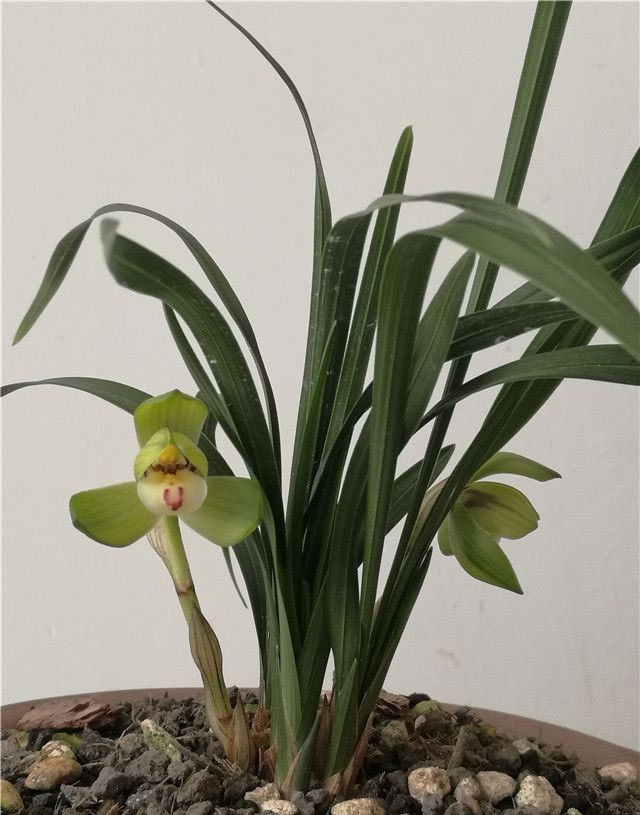
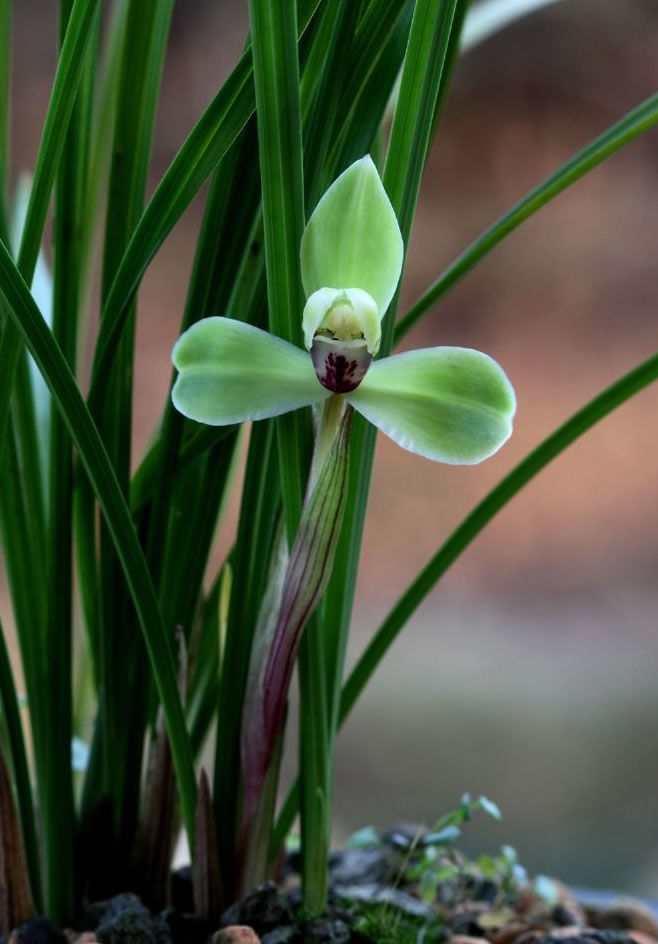
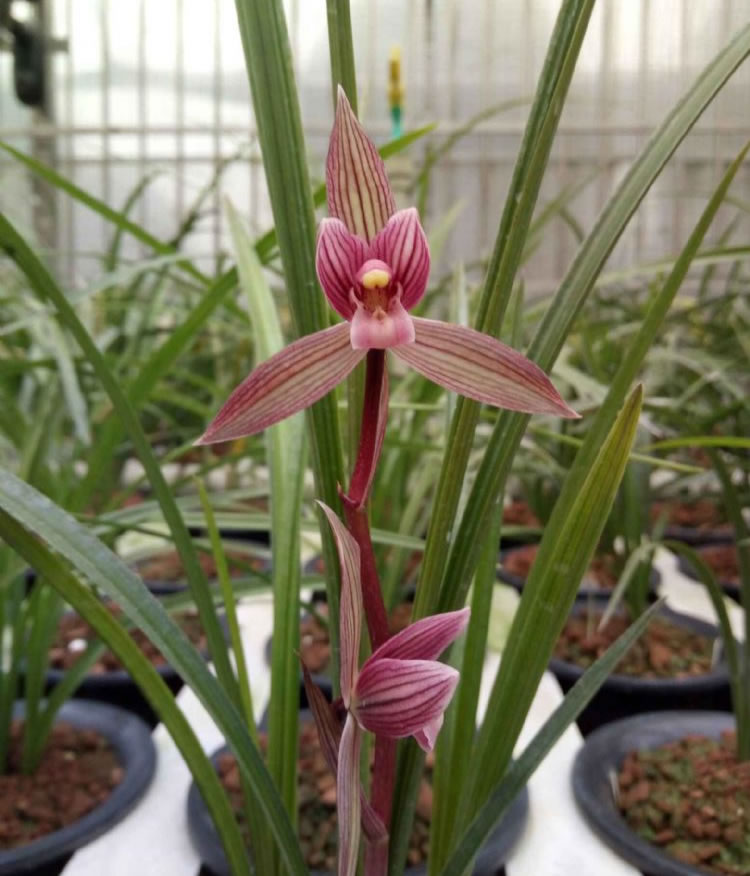
Da He is the name of a variety among Chinese orchids (Cymbidium) known for its lotus-petal flower shape, and it enjoys considerable recognition among orchid enthusiasts. So-called lotus petals refer to the outer three petals being short, round and broad, with a narrowed base and flared corners, so that the overall flower shape resembles a lotus petal; in the traditional petal-type classification it is regarded as a relatively high-grade flower form. Judging by how the flowers open, the blooms of Da He are dignified and grand, with broad, thick outer petals, bluntly rounded petal tips, tightly clasping inner petals, and a lip that spreads to a moderate degree. Most lotus-petal varieties hold their flowers well, blooming for a long time, and their ornamental value is quite outstanding. As for care, Da He prefers a loose, breathable, well-draining, slightly acidic growing medium; orchid enthusiasts commonly use bark mixed with a granular substrate, and washing or disinfecting the medium before potting can effectively reduce the occurrence of pests and diseases. Watering should follow the principle of letting the medium dry out and then wetting it, with the rule of not watering until dry and, when watering, watering thoroughly, to avoid long-term water accumulation in the pot that causes root rot. In daily management, soft, scattered light should be provided and the environment kept well ventilated; in summer, shade and cool the plant appropriately, and in winter reduce watering and pay attention to cold protection. During the peak growing season, fertilize lightly and frequently, and promptly cut off spent flowers after blooming to help the plant accumulate nutrients. Overall, Da He has a well-proportioned flower shape and a calm, steady character; it is suitable for display on balconies, in courtyards or in halls for ornamental purposes, and it is also a type of variety that attracts relatively more attention in orchid enthusiasts' collecting and exchanging.