Variety Characteristics and Daily Care Methods of Cuifeng Orchid
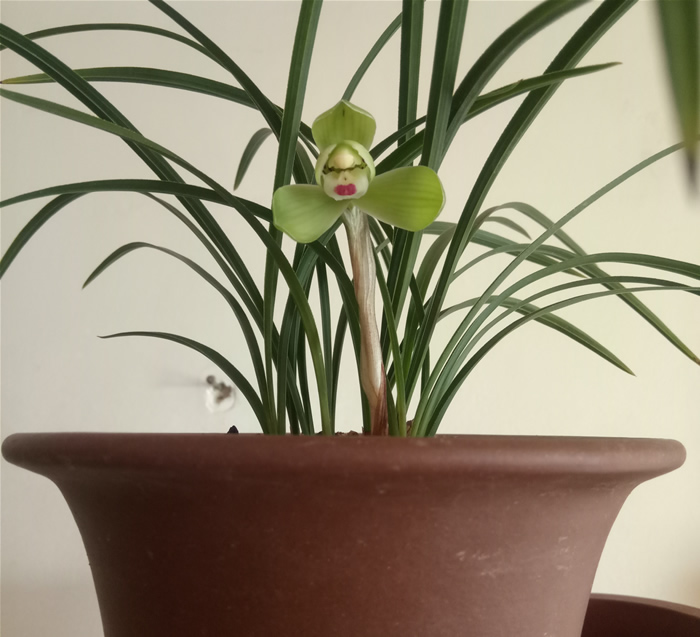
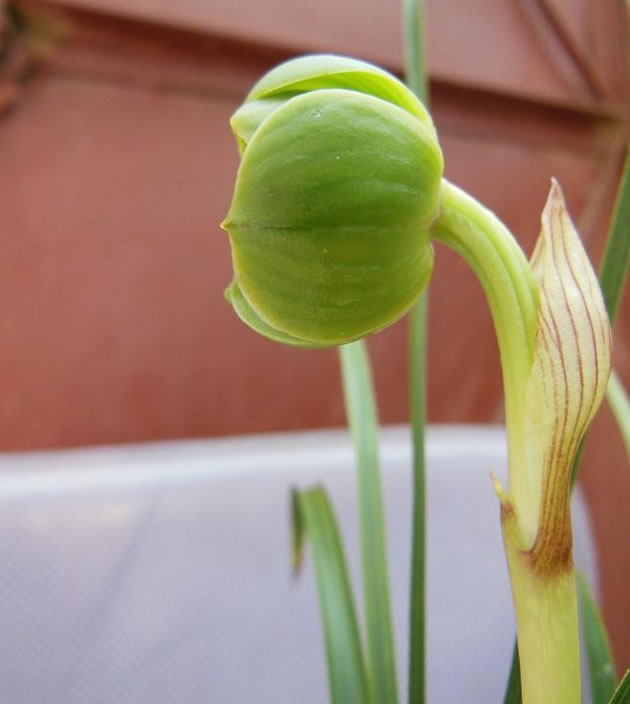
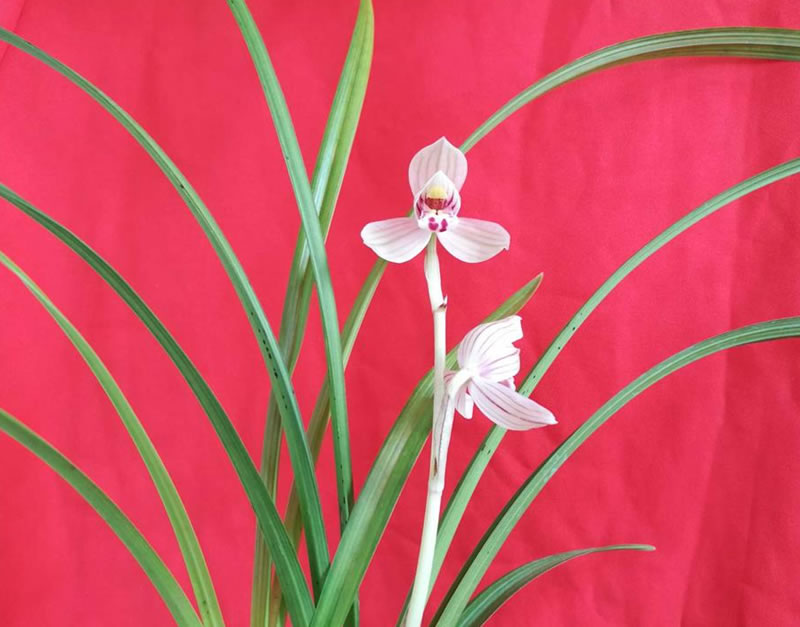
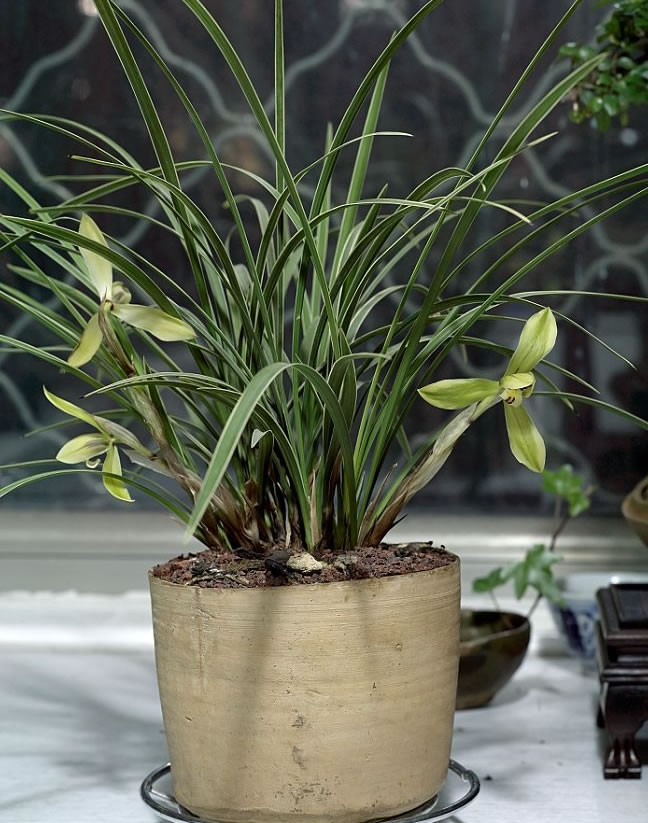
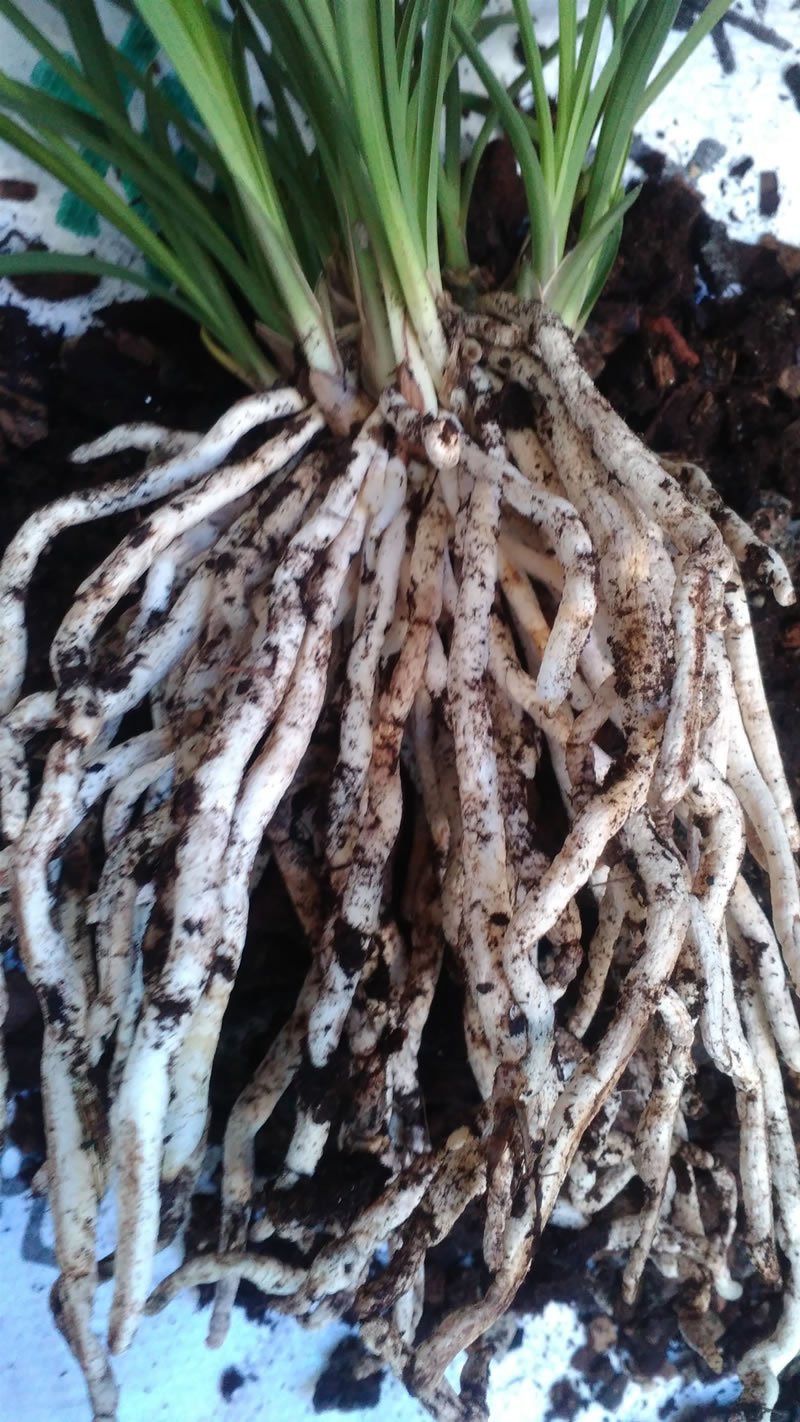
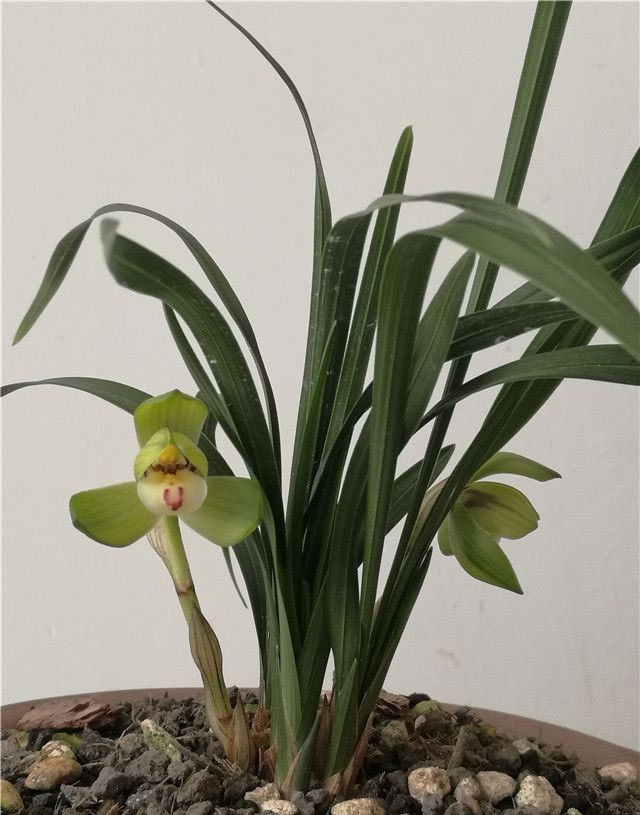
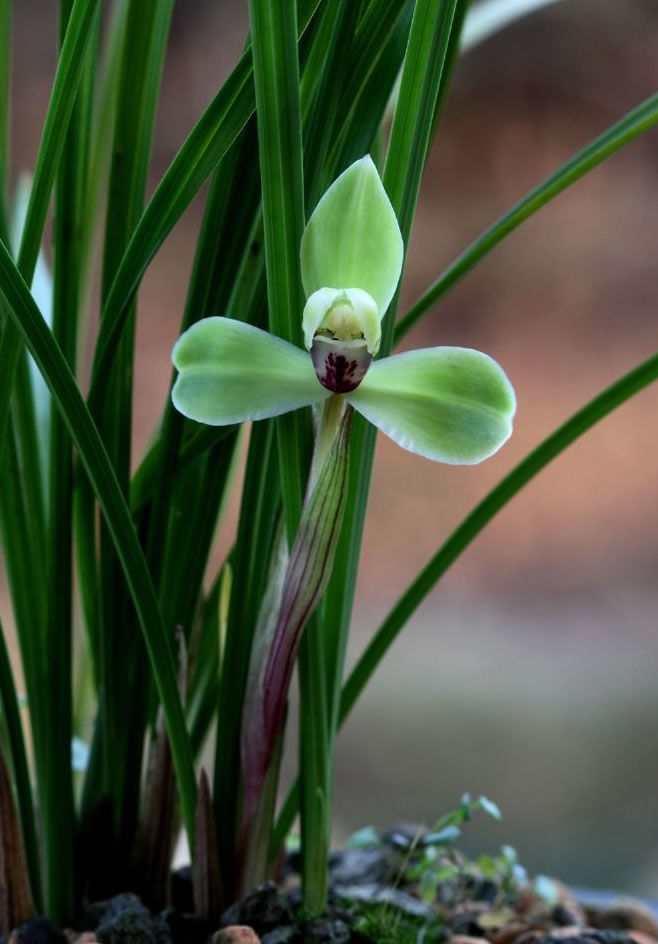
Cuifeng is the name of a horticultural variety among Chinese orchids (guolan), and it is often mentioned in exchanges among orchid enthusiasts. Its naming follows the tradition of Chinese orchid naming: the character "Cui" highlights the fresh, vivid green of the leaves and flowers, while the character "Feng" describes full, plump flowers and vigorous plant growth. Just hearing the name conveys a sense of elegance. From an appreciation standpoint, Cuifeng-type plants are mostly noted for their glossy green leaves and well-proportioned plant shape; when in bloom, the flower color tends toward a blue-green or green-white tone, with a dignified flower form and a delicate fragrance. Cuifeng cultivated by different orchid nurseries may differ slightly in petal type, leaf posture and flowering period, so when purchasing it is best to rely on the actual plant or credible photos of the flowers in bloom. In terms of care, Cuifeng has habits similar to other Chinese orchids: the growing medium should be loose, breathable and well-draining, and materials such as bark and Kanuma soil (plant gold stone) should be disinfected or soaked before being mixed and used, to reduce hidden disease risks. Watering should follow the principle of watering when dry and wetting thoroughly when watering; it is better to be slightly dry than too wet. The orchid world often speaks of "three years of skill in watering," which refers precisely to this long accumulation of experience. In daily management, the most suitable position is one with bright scattered light and good ventilation, avoiding harsh sun exposure and a stuffy, humid environment. If root rot occurs, it is mostly related to compacted growing medium or overly frequent watering; withered leaf tips are often caused by dry air or overly concentrated fertilizer solution, and most plants can recover after timely adjustments. Vigorous plants can be appropriately divided after flowering, which both controls the density of the clump and allows new shoots to obtain more nutrients.