Wood ash is a commonly used potassium fertilizer for growing vegetables and flowers: its effects and how to use it
Wood ash is the residue left after plants are burned, and it has a very wide range of sources: ash from burning straw, branches, weeds, rice husks and fallen leaves all counts. It is one of the most common traditional potassium fertilizers, and besides potassium it also contains calcium, phosphorus, magnesium and other elements, so its nutrients are fairly diverse. Wood ash is light and fluffy in texture, mostly gray-black or gray-white in color, and its water solution is alkaline.
In wood ash, potassium mainly exists in the form of potassium carbonate, which is easily soluble in water and will be lost in large amounts after being washed by rain, so after collecting it, it should be stored in a dry, rain-sheltered place. It is alkaline, so it should not be stored or used together with ammonium nitrogen fertilizers, night soil or urine, otherwise the nitrogen will be converted into ammonia gas and volatilize, reducing fertilizer efficiency; it is also not suitable for mixing with acidic fertilizers.
In terms of use, wood ash can be applied as a base fertilizer or as a top dressing; simply scatter it and then shallowly turn it into the soil, and it is quite suitable for acidic or neutral garden plots and vegetable plots. The clear liquid obtained by soaking it in water can be used for watering or spraying to supplement potassium for crops. Some growers also scatter a small amount of wood ash when sowing and covering with soil, taking advantage of its loose, airy texture and a certain antibacterial effect.
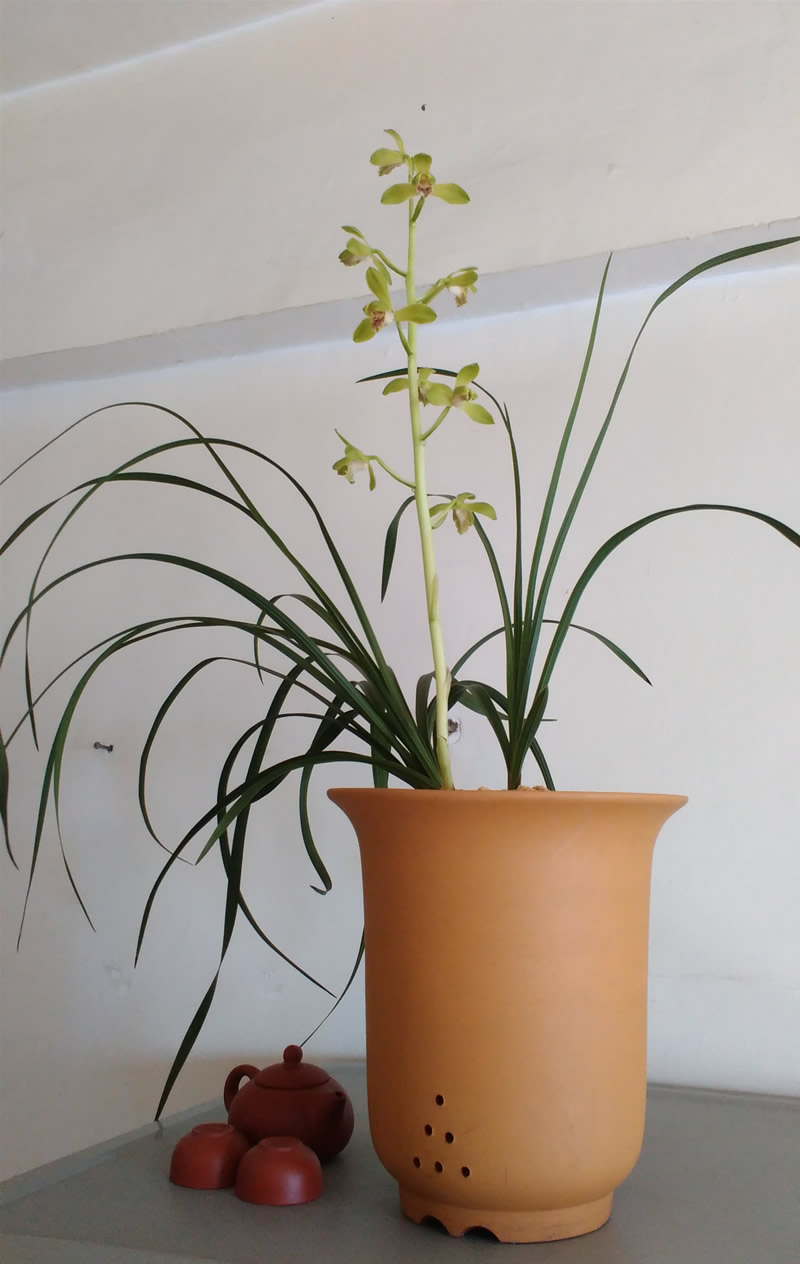
It is equally useful for growing flowers at home: after pruning or dividing plants, the wounds can be dipped in a little wood ash to help them dry and reduce rot. However, it tends toward alkalinity, so it should not be used much in the potting soil of acid-loving flowers such as orchids, and it should also be used with caution in alkaline soil and saline-alkali land; when unsure, trying a small amount first or switching to another potassium fertilizer is more reliable.