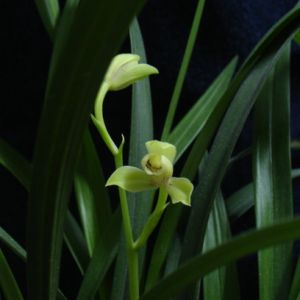
Protecting plants starts with environmental regulation and pest and disease control
Protecting plants refers to the process of using a series of management and technical measures to help plants resist threats such as pests and diseases, adverse climate conditions and nutrient imbalances, so that they maintain normal growth. It runs through every stage from sowing and seedling raising to daily care and harvesting, and is a fundamental task in horticultural cultivation and agricultural production. Unlike the modern approach of relying solely on chemicals, protecting plants places greater emphasis on prevention over cure, investing effort in daily management.
In daily care, environmental regulation is the first step in protecting plants. Maintaining suitable light, temperature and ventilation conditions, and watering sensibly to avoid waterlogging and root rot, can reduce the occurrence of disease at the source. At the same time, the leaves, stems and soil should be inspected regularly to detect insect eggs, disease spots or signs of nutrient deficiency early; the earlier they are found, the less effort it takes to deal with them.
When pests and diseases have already appeared, the cause must first be identified before measures are taken. For insect pests, manual capture can be combined with targeted chemical control, while fungal or bacterial diseases require timely removal of the affected parts and improved ventilation. Abnormalities such as yellowing, curling or spotting of leaves are often related to nutrient deficiency or improper watering; if fertilizer is applied blindly without identifying the cause, the problem may instead get worse.
Doing a good job of protecting plants not only improves the survival rate and ornamental value, but in agricultural production it also affects the stability of yield and quality. For home flower growers, mastering basic observation methods and protection points, looking and checking frequently and responding in time, can keep plants healthy over the long term.