What Calcium Nitrohumate Is, Its Functions, and How to Use It
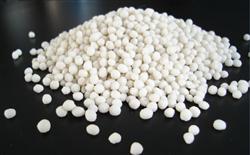
Calcium nitrohumate is a humic acid fertilizer and soil conditioner that uses nitrohumic acid as its main active ingredient and also contains the element calcium. It is usually made from lignite, weathered coal and other minerals rich in humic acid as raw materials, which are treated by nitric acid oxidation and then reacted with calcium-containing substances; it generally appears as a dark brown powder or granules.
Compared with ordinary humic acid, nitrohumic acid has higher activity and better water solubility, so calcium nitrohumate is more easily absorbed and utilized by soil and crops. Its functions are mainly twofold: first, humic acid can promote the formation of soil aggregate structure, improve soil compaction, enhance water and fertilizer retention capacity, and has a certain chelating effect on medium and trace elements; second, calcium can supplement soil calcium nutrition, and on acidified or calcium-deficient plots it often produces a fairly good improvement effect.
In actual production, calcium nitrohumate can be applied as a base fertilizer or topdressing, and can also be applied with irrigation water or combined with other fertilizers; it is commonly used in the planting management of vegetables, fruit trees and field crops. In addition, it is often used as a raw material for humic acid compound fertilizers, combined with nitrogen, phosphorus and potassium nutrients to make functional fertilizers, which is somewhat similar in approach to the use of nitro compound fertilizer.
When using it, the appropriate amount should be determined according to soil conditions and crop type; before application, refer to the product instructions or consult local agricultural technicians. When storing it, place it in a dry and cool place to avoid moisture and caking. If it needs to be mixed with other fertilizers or inputs, it is advisable to first understand their acid-base properties to avoid blind mixing that affects fertilizer efficiency.
Related Reading