What kind of fertilizer is ammonium nitrate phosphate and an introduction to its characteristics and uses
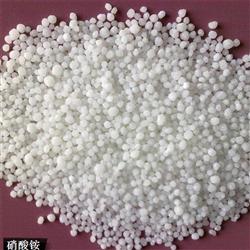
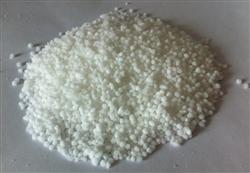
Ammonium nitrate phosphate is a compound fertilizer that contains both nitrogen and phosphorus nutrients. It is generally made by compounding ammonium nitrate with ammonium phosphate type components, and there are also products produced by decomposing phosphate rock with nitric acid followed by an ammoniation process. It usually appears as white or light-colored granules, has good water solubility, and is convenient to apply. In agricultural production it is often used as a base fertilizer and topdressing for dryland crops.
One prominent feature of this fertilizer is that its nitrogen forms are relatively complete: it contains both fast-acting nitrate nitrogen and longer-lasting ammonium nitrogen. The two forms work together and can meet both the crop's early seedling-promoting needs and the nutrient supply in the middle and later stages. Phosphorus is mainly present as water-soluble phosphorus, which is easily absorbed by seedling roots and helps to promote seedling growth and root development.
In terms of application, ammonium nitrate phosphate is relatively suitable for dryland crops such as wheat, corn, vegetables, and fruit trees, and can be used both as a base fertilizer and as a topdressing. When used as a base fertilizer, it is recommended to apply it deeply together with tillage; when used as a topdressing, an appropriate distance should be kept from the roots to avoid root burn caused by excessively high local nutrient concentration. Because it contains nitrate nitrogen, it is prone to leaching loss with water or denitrification loss in paddy fields, so it is generally not recommended for paddy fields.
In terms of storage, ammonium nitrate phosphate is fairly hygroscopic, so it should be kept in a cool, dry, and ventilated place, and the bag opening should be sealed well to prevent moisture absorption and caking. At the same time, it belongs to nitrate-containing fertilizers, so it should be kept away from fire sources and high-temperature environments, and it is also not suitable to be stored or applied together with alkaline substances. When purchasing, pay attention to the nitrogen and phosphorus nutrient content marked on the packaging, and use it in a reasonable combination with other fertilizers according to soil fertility and crop type.