A Detailed Guide to the Nutrient Characteristics and Scientific Application Methods of Calcium Ammonium Nitrate
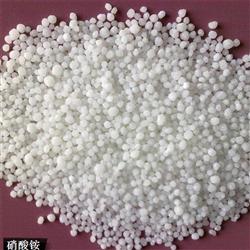
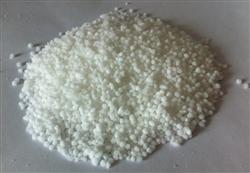
Calcium ammonium nitrate is a nitrogen- and calcium-containing fertilizer made on the basis of ammonium nitrate with calcium-containing ingredients such as calcium carbonate added, usually appearing as grayish-white or light brown granules. It contains both nitrate nitrogen and ammonium nitrogen forms, and carries a certain amount of calcium, so its nutrient supply combines quick-acting availability with a certain lasting effect. The nitrogen content of common products is generally above 20 percent; the specific value should be based on the packaging label.
Compared with ordinary ammonium nitrate, calcium ammonium nitrate has improved moisture absorption and caking after the addition of calcium-containing ingredients, making storage and application more convenient and transport and storage safer. Because it contains calcium, its acidifying effect on soil is relatively mild, and it can also supplement calcium nutrition for calcium-loving crops, reducing physiological problems such as blossom-end rot and fruit cracking caused by calcium deficiency.
Calcium ammonium nitrate is mostly used as a topdressing; it can be broadcast and then combined with watering, or applied in furrows or holes and then covered with soil, and when its water solubility is good it can also be diluted with water and applied as a drench. It is suitable for many crops such as grain crops, vegetables and fruit trees, and performs well on acidic soils and on crops with higher calcium requirements. When applying, avoid directly mixing it with alkaline fertilizers such as plant ash, so as to prevent nitrogen from volatilizing and being lost in the form of ammonia.
During storage, keep it in a cool, dry and ventilated place, take care to protect it from moisture and sunlight, keep it away from flammable materials, and use it up as soon as possible after opening. If slight caking occurs, it can still be applied normally after being crushed or ground, and generally the fertilizer efficiency is not affected. For specific application rates, it is recommended to determine them according to the crop type, growth stage and soil fertility, and to follow the instructions on the product packaging.