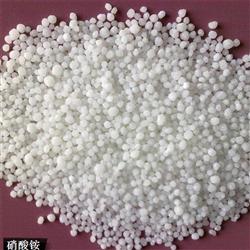
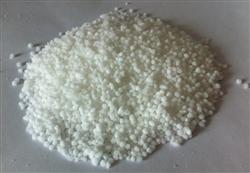
Ammonium nitrate is a quick-acting nitrogen fertilizer containing both nitrate nitrogen and ammonium nitrogen.
Ammonium nitrate is a commonly used nitrogen fertilizer, abbreviated as ammonium nitrate; its molecule contains both nitrate nitrogen and ammonium nitrogen forms, has a high nitrogen content, dissolves easily in water, and acts quickly after being applied to the soil, so it is often used as a top dressing, especially suitable for dryland crops.
Ammonium nitrate is highly hygroscopic and readily absorbs moisture and cakes during storage, so it should be kept in a cool, dry, ventilated place and used up as soon as possible after opening. When used as a top dressing, it should not be mixed directly with alkaline fertilizers, nor should it be used in large amounts in paddy fields, to avoid nitrate nitrogen being leached away with water or undergoing denitrification, which would reduce fertilizer efficiency.
To improve performance and reduce storage and transport risks, there are also many modified varieties on the market based on ammonium nitrate, commonly including calcium ammonium nitrate and ammonium sulfate nitrate. Calcium ammonium nitrate adds calcium, magnesium and other components to ammonium nitrate, has a slightly lower nitrogen content, but can supplement calcium, making it suitable for calcium-loving crops such as fruit trees and vegetables; ammonium sulfate nitrate is made by mixing ammonium nitrate with ammonium sulfate, releases nitrogen more gently, and has relatively longer-lasting fertilizer efficiency.
It should also be noted that ammonium nitrate poses a risk of combustion and explosion under conditions such as high temperature, open flames, or mixing with flammable materials; in daily storage it should be kept away from heat sources and must not be stored together with organic matter, metal powders, etc. Transport and use must strictly comply with relevant regulations, so as to balance safe storage with fertilizer efficiency.