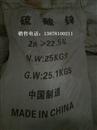
An Introduction to the Role and Correct Use of Agricultural Zinc Sulfate
Agricultural zinc sulfate is a zinc-containing trace element fertilizer specifically used in agricultural production. Its common forms are zinc sulfate monohydrate and zinc sulfate heptahydrate, usually appearing as white or slightly colored crystals, granules or powder, and it is easily soluble in water. Zinc is an indispensable nutrient element for the normal growth of crops, participating in the activity of various enzymes in plants and the formation of auxin, and it plays an important role in plant development.
When the soil supply of zinc is insufficient, crops often show symptoms such as leaf chlorosis, stunted plants and shortened internodes. Conditions such as little leaf disease in fruit trees, white seedling and mosaic in corn, and stiff seedling in rice are all related to zinc deficiency. Reasonable application of agricultural zinc sulfate can supplement the zinc in the soil, promote photosynthesis and nutrient transformation, and help crops recover their growth vigor and improve quality.
In terms of application methods, agricultural zinc sulfate can be used as a base fertilizer or topdressing, and can also be used for foliar spraying or seed dressing and seed soaking. When used as a base fertilizer, it is usually mixed evenly with organic fertilizer or fine soil before being applied to the soil. For foliar spraying, attention should be paid to concentration control to avoid burning the leaves if the concentration is too high. Calcareous soils, alkaline soils and sandy soils are often more prone to zinc deficiency, and supplementing zinc fertilizer on such plots has a relatively obvious effect.
It should be noted that zinc sulfate generally should not be mixed directly with phosphate fertilizer for application, because zinc and phosphorus readily combine to form sparingly soluble substances, affecting the fertilizer effect. During storage, it should be placed in a dry and ventilated place to prevent moisture and caking. If slight caking occurs, crushing it generally does not affect its use.
Related Reading