Properties, Uses and Application Precautions of Ammonium Sulfate Fertilizer
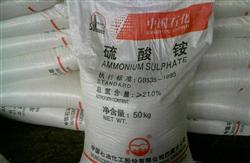
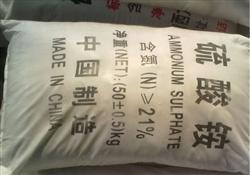
Ammonium sulfate is a commonly used nitrogen fertilizer, abbreviated as ammonium sulfate; it usually appears as white or slightly colored crystalline granules, dissolves easily in water, and generally contains about 20 percent nitrogen. It also contains sulfur, making it a fertilizer variety that supplies both nitrogen and sulfur.
Its properties are relatively stable, it is only slightly hygroscopic and does not readily cake, so it is easy to store and transport. Ammonium sulfate is a physiologically acidic fertilizer, and long-term application on its own tends to make the soil acidic. Therefore, when used on acidic soil it is best combined with substances such as lime to adjust the pH, while application on neutral or calcareous soil is more suitable.
In terms of uses, ammonium sulfate is suitable for a wide range of field crops and vegetables, and its effect on rice and sulfur-loving crops is relatively pronounced. It can be used as a base fertilizer and as a top dressing, and a small amount can also be used as a seed fertilizer; when used as a seed fertilizer, the amount should be controlled and direct contact with the seeds should be avoided to prevent affecting germination.
When applying it, take care to apply it deeply and cover it with soil to reduce nutrient volatilization losses, and do not mix it with alkaline fertilizers such as plant ash, so as not to reduce fertilizer efficiency. During storage it should be kept in a dry, cool, ventilated place, with attention to moisture and rain protection. Scientifically applying ammonium sulfate can both meet the crop's need for nitrogen and help improve the condition of sulfur-deficient soil.