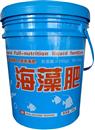
Characteristics, Classification and Application Value of Seaweed Fertilizer in Agricultural Production
Seaweed fertilizer is a type of fertilizer made from marine algae as the main raw material, processed through extraction, enzymatic hydrolysis or fermentation. Common raw materials include kelp (Laminaria), knotted wrack (Ascophyllum nodosum), and sargassum (Sargassum), among others. The alginic acid, polysaccharides, amino acids and various secondary and trace elements they contain are the main components responsible for their effects. Compared with ordinary chemical fertilizers, seaweed fertilizer focuses more on conditioning the soil and stimulating the crop's own potential, and is usually classified as a functional fertilizer or biostimulant product.
In terms of characteristics, the alginic acid in seaweed fertilizer has strong water-retaining and chelating ability, which can improve soil aggregate structure and increase the absorption and utilization rate of nutrients. The natural active substances in it can also promote root development and help crops maintain better growth under adverse conditions such as low temperature and drought. Therefore, many growers use it as a supplement to conventional fertilization, applying it together with base fertilizer or topdressing.
In terms of formulation, seaweed fertilizer is commonly available as powder, liquid and granules, and its application methods are also quite flexible: it can be applied by flushing, drip irrigation, foliar spraying, or as a base fertilizer incorporated into the soil. The dosage varies among different crops and different growth stages, and it is generally recommended to dilute according to the product instructions before application to avoid excessively high concentrations that may burden seedlings.
It should be noted that although seaweed fertilizer helps improve quality and stress resistance, its total nutrient content is limited, and it cannot completely replace macroelement fertilizers such as nitrogen, phosphorus and potassium. For daily storage, it should be kept in a cool, dry place and used up as soon as possible after opening. When purchasing, pay attention to indicators such as raw material source and alginic acid content, and choose products from reputable manufacturers for more reliable results.
Related Reading