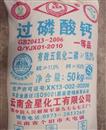
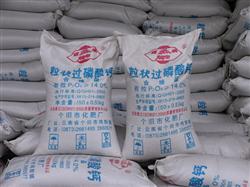
Characteristics of Superphosphate and an Introduction to Correct Application Methods
Superphosphate is a commonly used phosphorus fertilizer. Its main component is monocalcium phosphate, and it also contains a relatively large amount of calcium sulfate. It usually appears as grayish-white or light gray powder or granules. It is made from phosphate rock processed with sulfuric acid and belongs to the water-soluble phosphorus fertilizers. Its phosphorus is released fairly quickly, and it is one of the basic phosphorus fertilizer varieties with a long history of use in agricultural production.
In terms of nutrient characteristics, the phosphorus in superphosphate can be directly absorbed and used by crops, and it has a wide range of applications. It is especially suitable for legume crops, oil crops, and phosphorus-loving fruit trees and vegetables. It also contains secondary elements such as calcium and sulfur, which can help supplement soils deficient in calcium and sulfur to some extent. However, it is an acidic fertilizer, and after phosphorus enters the soil it is easily fixed by iron, aluminum, calcium and other substances, which reduces fertilizer efficiency, so the application method is crucial.
When applying it, concentrated deep placement is recommended, such as banding or hole application, placing the fertilizer near the crop roots to reduce the amount of phosphorus fixed by the soil. Mixing it with organic fertilizer or farmyard manure is a common practice in production. Organic matter can protect and activate phosphorus, reduce nutrient loss, and also improve the soil and enhance overall fertilizer efficiency. When used as a base fertilizer, it can be broadcast before plowing and then turned into the soil. When used as a seed fertilizer, the amount should be small, and direct contact between the fertilizer and the seeds should be avoided to prevent burning the seeds and damaging the seedlings.
It should be noted that superphosphate should not be mixed directly with alkaline fertilizers such as plant ash or lime, otherwise the availability of phosphorus will decrease. If lime is to be applied on acidic soil, it should be done separately from superphosphate. During storage, it should be kept in a dry, cool place to prevent moisture and caking. Only by determining the amount and method of application according to soil conditions and crop needs can superphosphate better play its role in supplementing phosphorus nutrients.