Characteristics of Enriched Superphosphate and an Introduction to Its Correct Application Methods
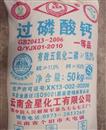
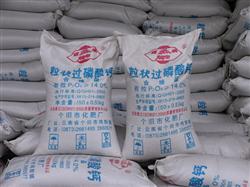
Enriched superphosphate is a high-concentration phosphorus fertilizer made by treating phosphate rock powder with a mixed acid of sulfuric acid and phosphoric acid. Its available phosphorus content is noticeably higher than that of ordinary superphosphate, falling between ordinary superphosphate and triple superphosphate. It is mostly a grayish-white or grayish-brown powder. Because part of the calcium sulfate content is retained during production, it contains a variety of nutrients such as calcium and sulfur in addition to phosphorus.
The phosphorus in this fertilizer exists mainly in the form of water-soluble monocalcium phosphate. It dissolves readily in water, is absorbed and utilized quickly by crops, and belongs to the fast-acting phosphorus fertilizers. The product shows an acidic reaction and is slightly less hygroscopic than ordinary superphosphate, making storage and transport relatively convenient. However, it will still absorb moisture and cake in damp environments, so moisture protection is needed during storage.
In terms of application, enriched superphosphate can be used as a base fertilizer or a topdressing, and a small amount can also be used as a seed fertilizer. When used as a base fertilizer, it is best to open furrows or dig holes and apply it in a concentrated way near the roots, so as to reduce phosphorus fixation by the soil and improve the utilization rate. Mixing it with decomposed farmyard manure or organic fertilizer can both enhance fertilizer efficiency and reduce the adverse effects of its acidity, making it a common and fairly effective method of use.
It should be noted that enriched superphosphate must not be mixed directly with alkaline substances such as plant ash or lime, otherwise the soluble phosphorus will be converted into sparingly soluble phosphorus and fertilizer efficiency will drop markedly. When applying it on acidic soil, an appropriate amount of lime can first be used to improve the soil, and the phosphorus fertilizer applied after an interval. In addition, the fertilizer should be stored in a dry, cool place and kept from rain and moisture to ensure its quality.