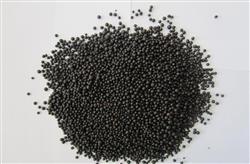
Amino acid zinc is a chelated trace element fertilizer for efficient zinc supplementation
Amino acid zinc is an organic trace element fertilizer formed by combining zinc with amino acids as the carrier through a chelation or complexation process. Because amino acids provide good protection for zinc, the zinc is not easily fixed and rendered ineffective in the soil, and its uptake and utilization rate by crops is noticeably higher than that of ordinary inorganic zinc fertilizers.
Zinc is an essential trace element for crop growth and development, participating in auxin synthesis and the activation of various enzymes. When crops are deficient in zinc, they often show symptoms such as smaller leaves, shortened internodes and interveinal chlorosis; fruit trees are prone to little leaf disease, while corn often develops white bud. Reasonable application of amino acid zinc can prevent and correct such zinc deficiency symptoms and promote normal plant growth and fruit development.
Amino acid zinc can be applied to the soil as a base fertilizer or topdressing, and is also commonly used for foliar spraying and drip irrigation/flushing, suitable for food crops, vegetables, fruit trees and many other crops. Foliar spraying takes effect relatively quickly and is best done in the early morning or evening, avoiding the hottest part of the day. The concentration and number of sprays should be adjusted flexibly according to the crop type and the degree of zinc deficiency; refer to the product instructions for details.
When using it, take care not to mix it casually with strongly alkaline fertilizers or pesticides; before mixing, it is best to conduct a small-area test first. Amino acid zinc should not be applied in excess, to avoid zinc accumulating in the soil. During storage, keep it sealed in a cool, dry place to prevent moisture and caking from affecting fertilizer efficacy. If used together with amino acid organic fertilizer, it can also improve the soil environment and further increase nutrient use efficiency.
Related reading