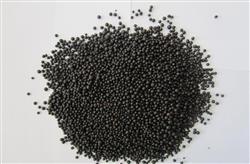
Characteristics of Amino Acid Compound Fertilizers and Key Application Points
Amino acid compound fertilizers are a type of compound fertilizer made with amino acids as the main active ingredient, mixed and processed with major elements such as nitrogen, phosphorus and potassium as well as medium and trace elements. They usually use protein-containing organic materials such as animal hair, hooves and horns, and soybean meal as raw materials; after amino acids are extracted through processes such as hydrolysis, they are then blended with other nutrients to form various product forms such as powder, granules or liquid.
The standout feature of this type of fertilizer is its diverse nutrient forms and relatively high absorption and utilization rate. Amino acids are small-molecule nitrogen-containing organic compounds that can be absorbed directly by crop roots and leaves and participate in protein synthesis within the plant. At the same time, amino acids can also chelate medium and trace elements such as iron, zinc and calcium, reducing losses from nutrients being fixed by the soil, and helping to promote root development and improve crop growth.
In terms of application, amino acid compound fertilizers can be used as a base fertilizer or topdressing applied with irrigation water, or diluted for foliar spraying, and are suitable for many planting scenarios such as vegetables, fruit trees, field crops and flowers. Foliar spraying takes effect relatively quickly and is often used in the middle and late stages of crop growth or as a supplementary adjustment when deficiency symptoms appear.
It should be noted that when using them, the concentration and dosage should be controlled according to the product instructions, and direct mixing with strongly alkaline substances should be avoided so as not to affect fertilizer efficacy. Compared with pure amino acid organic fertilizers, amino acid compound fertilizers have additional quick-acting nutrients blended in, and their nutrient content and ratio are more flexible. In production, the two can be used together according to soil conditions and crop needs to achieve better results.
Related Reading