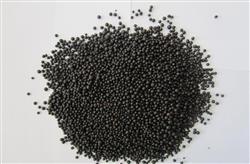
Amino acid solid fertilizer can promote crop growth and improve the soil environment
Amino acid solid fertilizer is a solid-form fertilizer with amino acids as its main active ingredient, commonly available in two forms: powder and granules. It is mostly made from protein raw materials such as soybean meal, oilseed cake meal, fish meal, animal hair, and hooves and horns through hydrolysis or fermentation processes. It usually appears yellowish-brown or dark brown with a slight fermented odor. Compared with liquid amino acid fertilizers, the solid form is easier to package, transport, and store.
Amino acids are small-molecule organic nitrogen compounds that can be absorbed and used relatively quickly by crop roots and leaves, and are often used to promote rooting, strengthen seedlings, improve leaf color, and enhance fruit quality. Most solid products can be applied as a base fertilizer or topdressing, and some fully water-soluble types can also be dissolved in water and applied with irrigation water or used in drip irrigation. When storing, keep it in a dry, cool place, avoid moisture and caking, and do not mix it directly with strongly alkaline substances.
In application, amino acid solid fertilizer is suitable for vegetables, fruit trees, grain crops, and various cash crops. It can be applied alone or used together with compound fertilizers and organic fertilizers to help improve overall fertilizer efficiency. When used as a base fertilizer, it can be applied in furrows during land preparation and then covered with soil; when used as a topdressing, it is best to apply small amounts frequently. For specific rates, follow the product instructions and the recommendations of local agricultural technology departments. Using it at key growth stages such as the seedling stage and the flowering and fruiting stage usually produces more noticeable results.
When purchasing, it is advisable to check the fertilizer registration certificate number and nutrient labeling, observe the uniformity of the powder or granules and the water solubility, and beware of products passed off with inferior raw materials. It should be noted that amino acid solid fertilizer emphasizes the formal characteristic of being a solid dosage form, while amino acid organic fertilizer places more emphasis on the attribute of organic nutrients. The two often overlap in content, and growers can choose according to crop needs and fertilization habits.
Related Reading