An Introduction to the Characteristics and Care Methods of the Calathea roseopicta
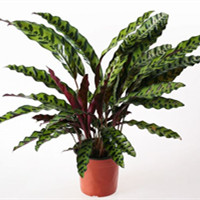
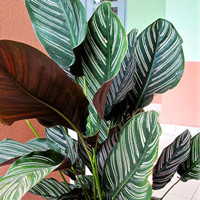
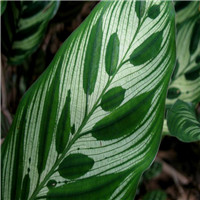
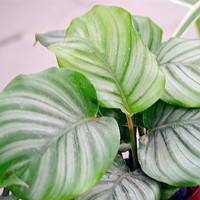
Calathea roseopicta is a perennial evergreen herbaceous plant in the family Marantaceae, native to tropical America, named for the vivid purplish-red color on the underside of its leaves. Its plant form is compact, with broad, mostly oblong leaves; the upper surface is dark green and glossy, while the purplish-red underside is very striking, giving it high ornamental value. Like many plants in the Marantaceae family, its leaves show distinct sleep movement, spreading during the day and gradually folding at night, which is quite interesting.
Calathea roseopicta prefers a warm, humid, semi-shaded environment; it fears direct strong light and is not tolerant of cold or dryness. When caring for it, it is best placed in a spot with bright, indirect light, with shading in summer to avoid sunburn on the leaves. During the growing period, keep the potting soil moist and frequently mist the leaves and surrounding area to raise air humidity; if the air is too dry, the leaf tips tend to scorch. In winter, it needs to be moved indoors to a warm place and watered less frequently.
For planting Calathea roseopicta, choose loose, fertile, well-drained soil, which can be mixed from leaf mold with garden soil and river sand. Propagation is mainly by division, usually done when repotting in spring; separate the robust mother plant and pot each division separately, water thoroughly and place in a shady spot to recover.
With its brilliant leaf color and attractive form, Calathea roseopicta is a common indoor foliage plant, suitable for placing in the living room, study and other places; it can add a tropical feel to a space and also has some air-purifying effect. In daily care, if the leaves turn yellow or curl, it is mostly related to excessive light, improper watering or dry air, and adjusting the care method promptly will allow it to gradually recover.
Related Reading