An Introduction to the Growth Habits and Cultivation Management of Jujube Trees
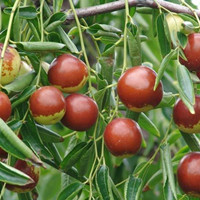
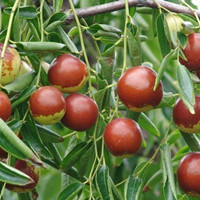
The jujube tree is a deciduous tree or small tree of the genus Ziziphus in the buckthorn family (Rhamnaceae). It has a long history of cultivation in China and is both a common fruit tree and often used for courtyard and roadside greening. Its fruit is the red date commonly known as jujube, which can be eaten fresh, dried in the sun, or processed into candied jujubes, jujube paste, and other foods, making it extremely versatile.
The jujube tree is highly adaptable. It prefers warmth and ample sunlight, tolerates drought and poor soil, and is not demanding about soil, growing well in plains, hills, and mountains. However, it fears prolonged waterlogging. If planted in low-lying, flood-prone spots, the roots are easily damaged, and both growth and fruiting suffer. Deep, well-drained sandy loam is more conducive to root spread and abundant yields.
The jujube tree leafs out and blooms later than most fruit trees. Its flowers are small and densely clustered, yellow-green in color, and it is an important nectar plant; jujube honey is also much loved. Cultivated varieties can be broadly divided by use into fresh-eating and drying types, and many locally distinctive varieties are still preserved in various regions, with differences in fruit shape, taste, and ripening period.
In terms of cultivation management, jujube trees are mostly propagated by grafting or division. During the growing season, pruning should be done to keep the canopy ventilated and light-permeable, and fertilizer should be applied reasonably to promote fruiting. If a tree only flowers without setting fruit, or if flower and fruit drop is severe, it is often related to tree vigor, light, or weather during the flowering period, and improvement can start with strengthening water and fertilizer management and improving light conditions. In daily care, attention should also be paid to pests and diseases such as jujube witches' broom and jujube looper, and timely control upon discovery is needed to ensure yield and quality.