Characteristics of Lavender Flowers and an Introduction to Their Care
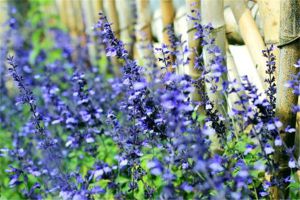
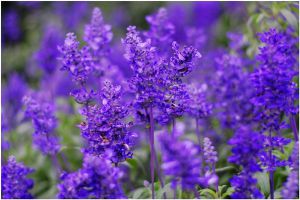
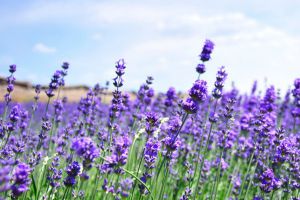
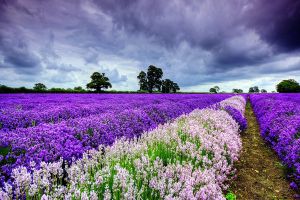
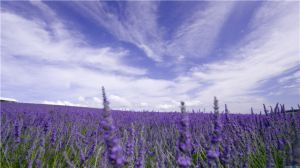
Lavender flowers are the blooms of plants in the genus Lavandula of the mint family (Lamiaceae). The plants are mostly perennial subshrubs or herbaceous perennials, with spike-shaped inflorescences. The flower colors are mainly purple and blue-purple, though there are also white, pink and other varieties. When in bloom they carry a fresh fragrance, making them aromatic plants that combine ornamental value and practical use.
Lavender originated in the Mediterranean coastal region and prefers a cool, dry environment with plenty of sunlight. It is fairly cold-hardy, but dislikes high temperatures, high humidity and waterlogged soil. Common cultivated varieties include fernleaf lavender, narrow-leaved lavender and French lavender, which differ slightly in leaf shape, flower spike form and heat tolerance.
When caring for lavender flowers, choose loose, breathable soil with good drainage and place the plant in a spot with ample light. Water according to the principle of letting the soil dry out between waterings, and never let water sit in the pot for long periods. During hot summer weather, provide some shade and improve ventilation to reduce root rot and diseases caused by muggy, humid conditions.
In practice, yellowing leaves on lavender flowers are mostly related to overwatering and insufficient light, while wilting leaves may be caused by lack of water or damaged roots. Adjust your care promptly based on whether the soil is dry or moist. Besides their ornamental value, lavender flowers can also be used to extract essential oil and to make dried flowers and sachets, giving them high practical value. They are suitable for growing in courtyards and on balconies.
Related Reading