An Introduction to the Plant Characteristics and Main Uses of Lamium barbatum
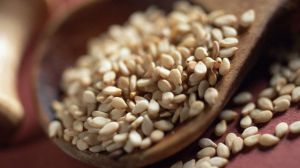
Lamium barbatum is a perennial herb of the genus Lamium in the mint family (Lamiaceae). Although its name contains the word "sesame," it is not related to the oilseed crop sesame; it is generally believed to have been named this way because its small nutlets are tiny and resemble sesame in appearance. It is distributed across most provinces and regions of China, commonly found at forest edges, roadsides, ditch banks and in damp, shady grass, making it a fairly common wild herb.
In terms of morphology, the stem of Lamium barbatum is four-angled, upright or ascending, and mostly several tens of centimeters in height. The leaves are opposite, ovate to cordate, with coarse serrated margins, and the stems and leaves bear fine hairs on their surface. The flowers are white or slightly pale yellow, borne in verticillate cymes in the leaf axils of the upper stem, and the flowering period is mostly from late spring to summer; when in bloom the flowers are arranged around the stem, giving it high recognizability.
Lamium barbatum prefers moist and semi-shaded environments. It has good cold tolerance and is not demanding about soil, growing more vigorously in loose, fertile, well-drained soil. Propagation is mainly by sowing and division. Under wild conditions it often grows in patches, and when cultivated artificially it requires relatively extensive management; in daily care it is enough to keep the soil moist and avoid waterlogging.
In terms of application value, the whole plant of Lamium barbatum is often used as a folk herbal medicine, mostly for promoting blood circulation and regulating menstruation, and for reducing swelling and relieving pain, among other uses; for specific usage one should consult a professional, and it is not advisable to take large amounts on one's own. Its tender stems and leaves, after being blanched in water, can be served in cold dishes or stir-fried, and it is a traditional wild vegetable. In addition, Lamium barbatum has a relatively long flowering period and is fairly rich in pollen and nectar, so it also has some value for beekeeping production.
Related Reading