Lavender Blooming Season: Timing and Key Flowering Care Tips
The lavender blooming season refers to the entire stage from bud formation through flowering to the fading of the flowers. In most cultivation areas, lavender usually enters its blooming season in late spring and early summer, with peak bloom mostly concentrated in summer. The exact timing of flowering is influenced by the variety, local temperature and light conditions; warm regions bloom earlier, while cooler regions are relatively delayed.
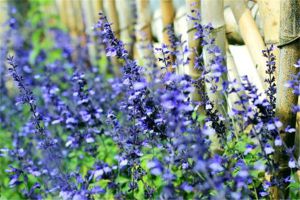
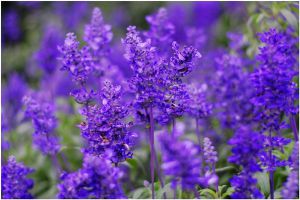
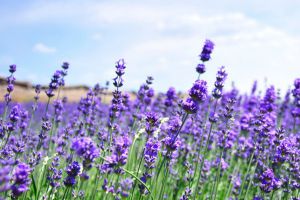
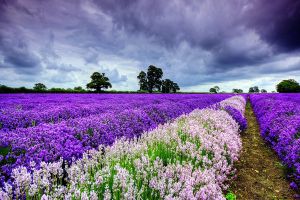
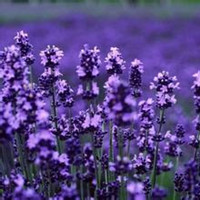
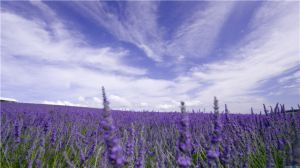
Once the blooming season begins, lavender sends up spike-like inflorescences at the tips of the branches, with flower colors mainly purple and blue-purple, though there are also white and pink varieties. The flowers are small and densely packed, clustered into spikes, and give off a delicate fragrance; this is the stage when lavender has its highest ornamental and practical value. When planted in large stretches, the blooming season creates a particularly spectacular sight, which is why lavender is often used as an ornamental and fragrance plant.
There are certain differences in blooming seasons among varieties. Common lavender mostly blooms in a concentrated period in summer, while types such as fernleaf lavender have a wider temperature tolerance; when the climate is suitable and care is proper, their flowering time is more flexible, and they may bloom multiple times a year. When planting, you can choose suitable varieties according to local climate conditions to extend the overall ornamental period.
As for care during the blooming season, first of all, make sure there is sufficient light; prolonged rain or excessive shading will lead to fewer flowers and fainter fragrance. Watering should follow the principle of letting the soil dry before watering again, avoiding long-term waterlogging in the pot that can cause root rot, and also pay attention to keeping the environment well ventilated. After the flowers fade, remove the spent flowers promptly and prune the branches appropriately; this not only keeps the plant shape neat but also helps the plant accumulate nutrients, laying a good foundation for subsequent growth and reblooming.
Related Reading