Medicinal use refers to the property of a plant being able to prevent and treat illness
Medicinal use means that the whole plant, or parts such as the roots, stems, leaves, flowers and fruits, can be used as medicine to prevent, regulate or help relieve discomfort. In the field of flowers, many common ornamental plants are also traditional medicinal herbs, combining ornamental and practical value.
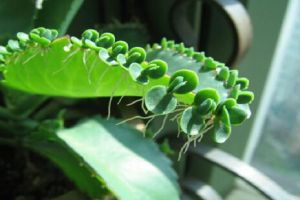
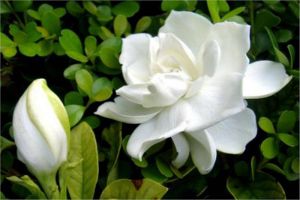
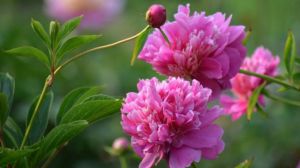
In terms of the parts used, medicinal plants can be roughly divided into whole-herb types, root and rhizome types, flower and leaf types, and fruit and seed types. Even plants of the same medicinal category differ in the parts harvested; for example, peony (Paeonia) uses its roots as medicine, gardenia (Gardenia jasminoides) uses its fruit, and mother of thousands (Kalanchoe daigremontiana) usually has its leaves used. Harvest timing also matters: flower and leaf types are generally harvested during the period of vigorous growth or when the flowers first open, while root and rhizome types are mostly dug after the above-ground parts wither in autumn and winter, when nutrient accumulation is relatively full.
The value of these plants is mainly seen in everyday use; the active compounds they contain are often used to make flower teas, medicinal dishes or materials for external application, for daily conditioning. At the same time, most medicinal flowers are graceful in form and also serve a landscaping and beautifying function, making them suitable for growing in courtyards and on balconies, both decorating the environment and being convenient to harvest.
When growing medicinal flowers, routine care is similar to that of ordinary flowers, but chemical pesticides should be used as little as possible to avoid contaminating the parts used as medicine. For pest and disease control, physical measures such as removing diseased leaves and improving ventilation and light should be given priority, and targeted treatment used only when the situation is serious. In addition, different varieties have different requirements for sowing season, so a suitable time should be chosen according to the local climate; with proper seedling-stage management, the plants will grow strong.
It should be noted that although medicinal plants have value, their use requires the right method, and people with different constitutions react differently, so it is best to understand their properties before using them sensibly. For varieties whose effects or usage you are unsure about, it is advisable to consult a professional first and avoid using them blindly.
Related reading