An Introduction to the Characteristics, Growing Environment and Care Methods of Amaranthus tricolor
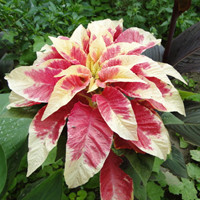
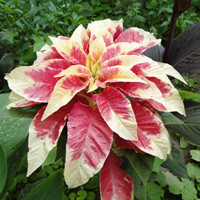
Amaranthus tricolor is an annual herbaceous plant in the Amaranthaceae family, genus Amaranthus, also known as three-colored amaranth and laoshaonian. It gets its name because its leaves turn red in late autumn, exactly when the wild geese fly south. It is a foliage-focused ornamental flower with an upright plant form and alternate leaves; after autumn arrives, the upper leaves turn bright red or a mix of red and yellow, and its ornamental period is mainly in autumn.
Common cultivated types include Amaranthus tricolor, Amaranthus tricolor var. flavus, and Jinxifeng. Amaranthus tricolor has mainly red upper leaves, Amaranthus tricolor var. flavus has more yellowish upper leaves, and Jinxifeng has leaves mottled with red, yellow and green, giving an even richer layering of color. When planting, you can choose the appropriate variety according to your ornamental needs.
Amaranthus tricolor prefers a warm environment with plenty of sunlight. It is not cold-tolerant and also fears waterlogging. It is not demanding about soil, but grows better in loose, fertile, well-drained soil. With sufficient light, the leaf color is vivid; if kept in shade for a long time, the leaf color fades. For daily watering, it is best to keep the soil moist but on the drier side, avoiding standing water in the pot. During the vigorous growth period, appropriate topdressing can be applied to promote lush leaves and bright color.
With its brilliant leaf color and neat plant form, Amaranthus tricolor is often used to arrange flower beds and flower borders, and can also be potted to accent courtyards and balconies. In autumn, it stands out when paired with other flowering plants. It is highly adaptable and requires only extensive management, generally propagated by spring sowing, making it a relatively suitable autumn foliage plant for home growing.