A Detailed Guide to the Flowering Conditions and Care Methods of Cacti
Cactus flowering is a natural reproductive phenomenon that appears once the plant reaches maturity; as long as it is cared for properly, most varieties can bud and bloom on schedule. The flowers usually emerge from the areoles, with yellow, red, pink and white being the most common colors, and some varieties even carry a faint fragrance. Many enthusiasts grow cacti for years without seeing a single bloom, and this is mostly related to insufficient light, overwatering, or improper management of the temperature difference between day and night.
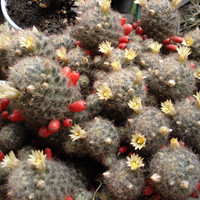
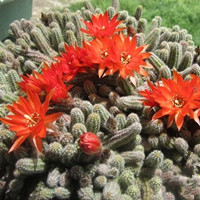
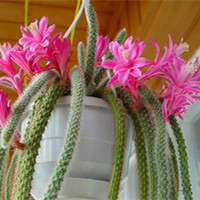
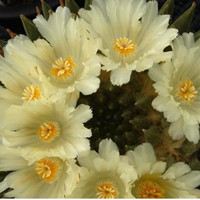
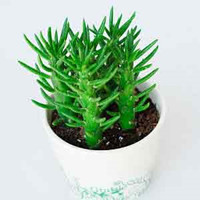
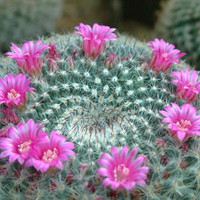
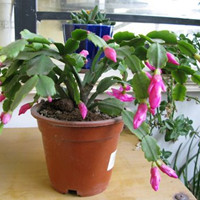
Flowering performance varies considerably among varieties. In varieties such as Obregonia denegrii and Ariocarpus, the flowers emerge from the areoles between the woolly tufts at the top, and these grow slowly and are relatively difficult to bring into bloom; White Sand Cactus and Mammillaria prolifera tend to form clusters, and the effect is spectacular when they open en masse; the Rat-tail Cactus has slender, trailing stems with flowers borne on the sides of the stem joints; and the General's Club Cactus generally does not enter its flowering period until the plant has grown to a certain size.
If you want your cactus to flower successfully, the key lies in ample light, sensible water control and a marked temperature difference between day and night. During the growing season, place it in a sunny spot and water according to the principle of soaking thoroughly once the soil has dried out; as the flowering period approaches, reduce nitrogen fertilizer appropriately and supplement with phosphorus and potassium. In winter, keep the potting soil on the dry side and provide a relatively cool environment, which helps the formation of flower buds the following year.
As for common problems, prolonged shade, overly wet potting soil or excessive nitrogen fertilizer will all cause the plant to grow leggy without flowering, so adjust the environment gradually and then observe again. During the flowering period, avoid moving the pot frequently; after the flowers fade, promptly remove the spent blooms and maintain good ventilation, and once the plant has accumulated enough nutrients, it still has a chance to bloom again the following year.