Introduction to the Characteristics, Benefits and Care Methods of Cuban Oregano
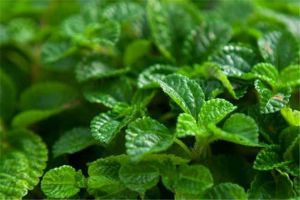
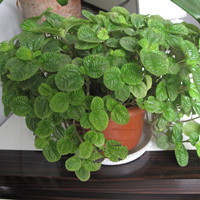
Cuban oregano is a perennial herbaceous plant in the Lamiaceae family, also known as curly mint or fragrant princess herb. It gets its name because its leaf surface is uneven and crinkled, and it is popularly believed to absorb indoor harmful gases such as formaldehyde. It has a low, compact growth habit, with emerald-green leaves and a light fragrance. It is often placed in living rooms, studies or near windowsills, combining ornamental value with air purification.
Cuban oregano is quite vigorous and prefers a warm, humid environment with ample light, though it also tolerates partial shade. In summer, when temperatures are high, simply provide shade and good ventilation. Follow the principle of watering when dry and soaking thoroughly when you do, waiting until the soil surface dries out before watering deeply, to avoid root rot caused by long-term waterlogging in the pot. During the growing season, pinching and topping appropriately will make the plant fuller and the branching denser.
Besides soil cultivation, Cuban oregano can also be grown hydroponically. Cut healthy stems and insert them into clean water, keeping the water clean and changing it regularly, and they will generally root smoothly and continue growing. Placed indoors, it is both clean and attractive, suitable for lazy gardeners and beginners.
Many people easily confuse Cuban oregano with mint. Although both belong to the Lamiaceae family and look similar, Cuban oregano has noticeably crinkled leaves and a softer, lighter fragrance; mint leaves are relatively flat, with a cool, pungent scent. A careful comparison makes them easy to tell apart.
Overall, Cuban oregano is easy to grow and hardy, with low demands on its growing environment. It can serve as a green plant to decorate the home, and is widely popular for its pleasant fragrance, making it one of the common functional herbaceous plants for indoors.