An Introduction to the Characteristics, Common Species and Care Methods of Cactaceae Plants
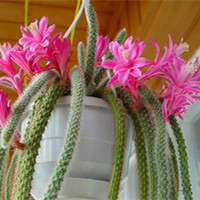
Cactaceae is a large family of angiosperms known for their fleshy organs, and the vast majority of its members are native to the arid and semi-arid regions of the Americas; today they are widely cultivated in tropical and subtropical areas around the world. It is generally believed that the entire family contains more than one hundred genera and around two thousand species, ranging from ground-hugging Ariocarpus and Obregonia, to the climbing and trailing Aporocactus, with enormous variation in form.
The most typical feature of Cactaceae is the areole, a special structure that bears spines, hairs and flowers, and this is a hallmark unique to this family. Its leaves are mostly reduced to spines or have disappeared entirely, with the thick, fleshy stems taking on photosynthesis and water storage, making the plants exceptionally drought-tolerant. The flowers are usually brightly coloured, and many species are very striking when in bloom, giving them high ornamental value.
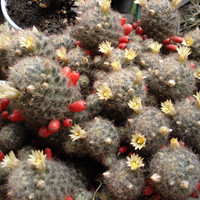
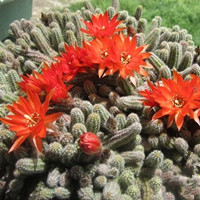
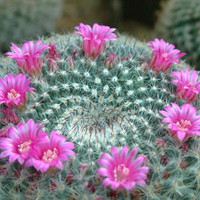
Based on plant shape and habit, Cactaceae are often roughly divided into columnar, opuntia-like, globular and climbing types. Common ornamental species include the white-spined cactus (Bai Tan), Mammillaria (Song Xia) and the finger cactus (Jiang Jun Bang), while Obregonia and Ariocarpus belong to distinctive rare groups. Different types each have their own features in plant shape, spines and flower colour, and planting them together can create a rich ornamental effect.
For caring for Cactaceae plants at home, the key is sufficient light, loose and breathable soil, and watering on the dry side rather than the wet side. During the growing season, water can be given by the "let dry, then water" method, while in autumn and winter at low temperatures water should be restricted or even withheld to prevent root rot. Most problems that arise in actual care are rot caused by overwatering or leggy growth caused by insufficient light; as long as the environment is suitable, these plants are actually very tough and easy to grow.