An Introduction to Cactus Varieties, Characteristics and Care Methods
Cactus is the collective name for plants in the family Cactaceae. Native to the Americas, most grow in arid regions with little rain, and they are typical succulents. Their stems are thick and juicy, able to store large amounts of water, while their leaves have been reduced to needle-like spines, which both reduce water evaporation and protect the plants from being gnawed by animals. To adapt to dry environments, cacti mostly open their stomata at night for gas exchange, which is why they are extremely drought-tolerant.
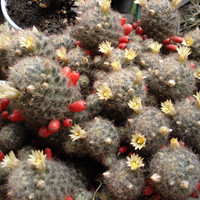
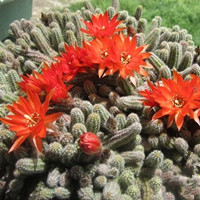
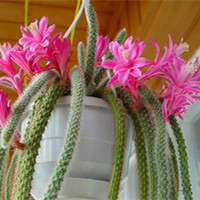
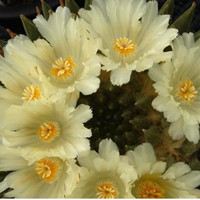
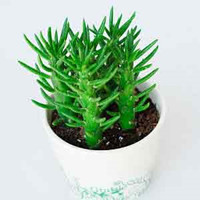
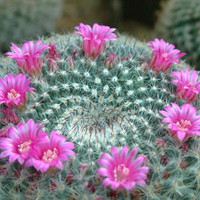
The family Cactaceae contains a great many species with obvious differences in form; common types include the fan-shaped, columnar and spherical forms. Obregonia denegrii and Ariocarpus retusus grow slowly and are species that attract relatively more attention from enthusiasts; Mammillaria prolifera and the white-flowered cactus have small, compact forms and are suitable for growing in pots for display; the rat-tail cactus has slender, drooping branches, while the commander cactus has an upright stem, each with its own distinctive features. Quite a few of these species have beautiful flowers and high ornamental value.
In caring for cacti, the first thing is to ensure ample light, as insufficient light easily causes the plants to become leggy and misshapen. The soil should be a well-drained sandy soil, and watering should follow the principle of watering thoroughly only after the soil has dried out completely; never let the potting soil stay waterlogged for long, otherwise root rot easily occurs. In winter the plants enter a dormant state, so watering should be reduced and attention paid to keeping them warm; most species are not cold-hardy and need to be moved indoors for care when temperatures are low.
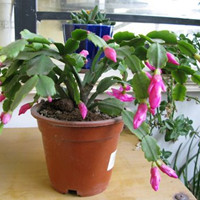
Cacti also have fairly wide uses. Besides serving as potted and courtyard ornamental plants, the tender stems and fruits of some species are edible, and robustly growing species are often used as rootstock for grafting epiphytic cacti such as the Christmas cactus. In everyday care, if the plant is found to be soft or yellowing, it is mostly related to overwatering or poor ventilation, and it will gradually recover once the management approach is adjusted in time.