Is Dieffenbachia Poisonous? Understanding Its Toxicity and Safe Care
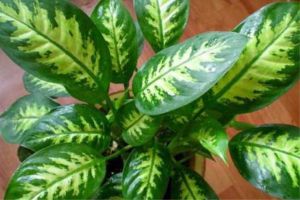
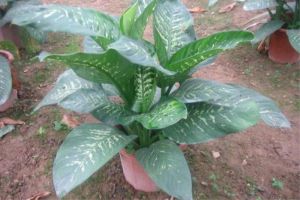
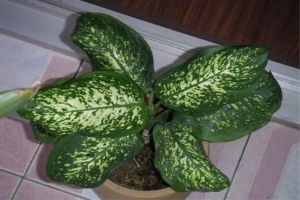
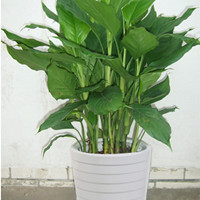
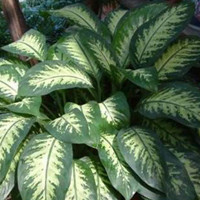
Dieffenbachia is a common foliage plant in homes and offices. In horticulture, what is often called "wannianqing" actually covers several groups, such as the Dieffenbachia and Aglaonema of the Araceae family, as well as plants of the genus Rohdea in the Liliaceae family. As for toxicity, the answer is yes: Dieffenbachia is indeed toxic, but the toxins are mainly concentrated in the sap. Simply placing it indoors for viewing does not release toxic gas, so there is no need to worry excessively.
The sap of Dieffenbachia contains irritating components such as calcium oxalate raphides. If swallowed by mistake, it can cause swelling, numbness, and pain in the mouth and throat, and in severe cases may affect swallowing. When the sap comes into direct contact with the skin, some people experience irritation such as redness and itching. If the sap splashes into the eyes, it can easily cause obvious irritation and discomfort.
Therefore, when caring for it at home, the main thing is to take a few precautions. Wear gloves when pruning, repotting, or dividing, to avoid direct skin contact with the sap flowing from cuts, and wash your hands promptly after finishing. If there are young children or pets in the home, place the plant out of their reach to prevent them from biting the leaves or breaking the stems and accidentally ingesting the sap.
Overall, Dieffenbachia is toxic but manageable. As long as it is not put in the mouth and you do not rub your eyes, it is safe to grow purely as an ornamental plant. Its leaves are attractive and it tolerates shade well, making it suitable for places such as the living room or study. Master the correct care methods, and you can both enjoy it and feel at ease.
Related Reading