Characteristics of Vines and an Introduction to Common Varieties
Vines are a general term for plants with slender stems that cannot stand upright on their own and need to climb, twine around, or creep along other objects in order to grow. They attach themselves to supports by means of tendrils, adhesive discs, aerial roots, or twining stems, thereby obtaining more light and growing space. Based on the texture of the stem, vines are usually divided into two main categories: woody vines and herbaceous vines.
The stems of woody vines become relatively hard as they age and have a longer lifespan; they are often used to build long corridors, trellises, and other landscape features. Herbaceous vines have soft stems and are mostly annual or perennial herbaceous plants, with a relatively fast growth rate. In addition, according to their climbing method, they can also be divided into twining types, tendril types, adhesive types, and leaning types, among others; the suitable supports for different types also vary, so this needs to be clearly understood before planting.
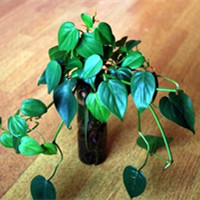
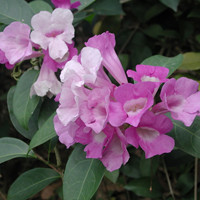
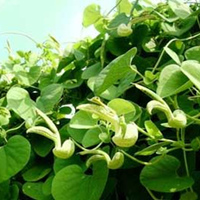
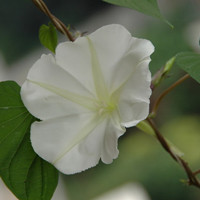
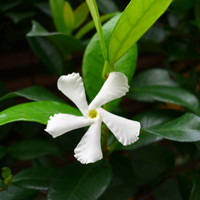
Common vine species are very diverse. Among ornamental types are moonflower, garlic vine, and heartleaf philodendron, whose flower colors or leaf shapes each have distinctive features, making them suitable for decorating courtyards and balconies. Among edible and medicinal types are wild honeysuckle and flying saucer gourd, which also have certain economic value. Species such as Dutchman's pipe are mostly seen in wild environments and also have good ornamental value. When choosing varieties, the local climate conditions and actual use should be taken into consideration.
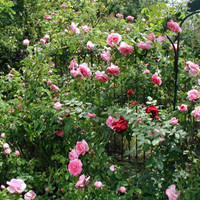
Vines are widely used in landscaping and can be used for vertical greening, covering walls, and creating flower corridors, enhancing greenery and landscape effects in limited spaces. In daily care, attention should be paid to guiding the branches to climb in a timely manner and carrying out reasonable pruning to avoid excessive density of branches and leaves that affects ventilation and light penetration. At the same time, provide sufficient light and water according to the habits of the variety, and carry out pest and disease control.