Perennial plants overwinter by their roots and sprout and bloom again the following year
Herbaceous perennial is a general term in horticulture for a type of plant growth habit, referring to the characteristic in which the aboveground parts of the plant wither in winter, the roots remain in the soil to overwinter safely, and in the following spring the plant sprouts, grows and blooms again. Plants with this habit are called herbaceous perennials, among which perennial herbaceous flowers are the most common.
The greatest advantage of herbaceous perennials is that one planting can be enjoyed for many years, with no need to sow and raise seedlings every year. Most of them rely on underground roots or rhizomes to store nutrients, and their cold resistance and adaptability are generally strong, making daily care relatively easy, so they are very suitable for home gardening and landscape planting.
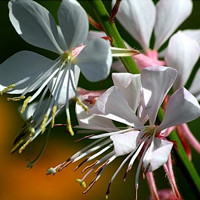
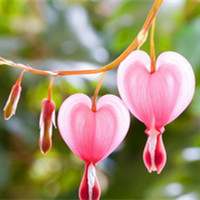
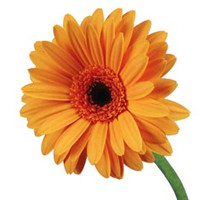
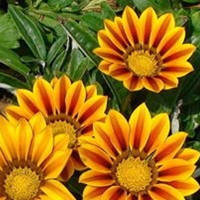
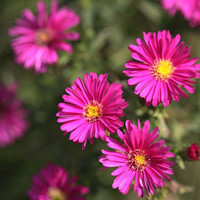
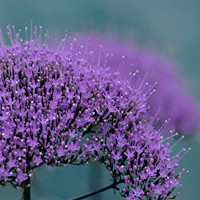
Common herbaceous perennial flower varieties are very diverse, such as Gerbera, New York aster, bleeding heart, Echinops, Gaura and Gazania. These flowers differ in flower shape and color; some are suitable for flower borders and flower beds, and some can also be used as cut flowers. A reasonable combination can give the courtyard something to enjoy in different seasons.
In terms of cultivation and care, herbaceous perennials generally prefer loose, fertile, well-drained soil, and during the growing season it is enough to maintain the supply of water and fertilizer. After winter arrives, when the aboveground parts wither, there is no need to dig them out in a hurry; keeping the roots allows them to overwinter naturally. Every few years, they can also be renewed by division to help the plants maintain vigorous growth.