How to Grow Pomegranate Flowers: Master Light, Water, Fertilizer and Pruning for Abundant Blooms
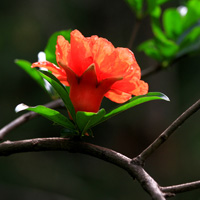
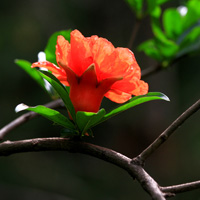
Pomegranate flowers are the blossoms that open on the pomegranate tree. The plant is a deciduous shrub or small tree, a typical woody plant, and is very common both as a garden plant in the ground and as a potted ornamental. It also has other names such as An pomegranate, Danruo and Hailiu. The flowers are mainly bright orange-red, and there are also white and double-flowered varieties. It can be grown for its flowers, and some varieties also bear fruit, combining ornamental value with practical use.
Pomegranate flowers like a sunny environment and are strongly sun-loving flowering plants. When light is insufficient, the branches tend to grow leggy and the number of flowers drops noticeably. It is not demanding about soil, but grows best in loose, fertile, well-drained sandy loam, and it has a certain tolerance for drought and cold, making it one of the easier flowering trees and shrubs to grow.
In daily care, place the plant in a sunny spot and water by the principle of not watering until the soil is dry, and watering thoroughly when you do, so as to avoid long-term waterlogging in the pot that causes root rot. During the peak growing season, you can add fertilizer mainly containing phosphorus and potassium. Applying extra phosphorus fertilizer before flowering helps flower bud differentiation, producing more and brighter blooms. After flowering, promptly cut off spent flowers, dead branches and overly dense branches, which keeps the plant shape attractive and reduces nutrient consumption, laying the foundation for the next round of blooming.
Common problems in care are leafing without flowering, or flowers and buds dropping, which are mostly related to insufficient light, too much nitrogen fertilizer and too frequent watering. Adjusting the light and the fertilizer ratio usually improves the situation. In winter, reduce watering so the plant can enter dormancy smoothly. After buds break the following spring, resume normal water and fertilizer management, and the flowering and fruiting performance will be even better.