Classification Characteristics of Aquatic Plants and Introduction of Common Species
Aquatic plants refer to the group of plants that live in water or in moist waterside environments for their entire life or during a certain growth stage. Having long adapted to waterlogged conditions, they have soft stems and leaves and well-developed aerenchyma, and are able to grow and reproduce normally in water and soil environments with low oxygen content, differing markedly in morphology from terrestrial plants.
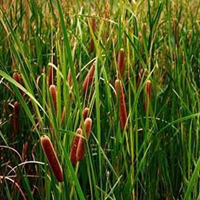
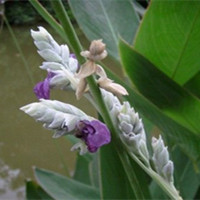
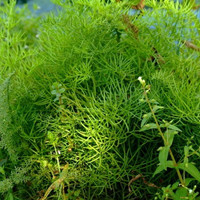
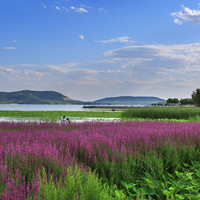
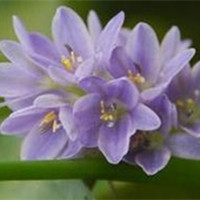
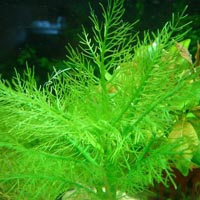
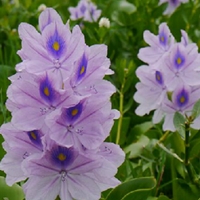
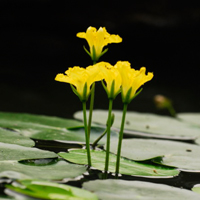
According to their different ways of life, aquatic plants are usually divided into four major categories: emergent, floating-leaved, free-floating and submerged. Emergent plants have roots anchored in the mud at the bottom of the water, with stems and leaves extending above the water surface; common examples include sweet flag (Acorus calamus), powdery thalia (Thalia dealbata), purple loosestrife (Lythrum salicaria) and Monochoria korsakowii. Floating-leaved plants have leaves floating on the water surface while their roots are anchored in the mud, such as the water lily (Nymphaea). Free-floating plants drift about with the water as a whole plant. Submerged plants have the entire plant submerged under water; water wisteria (Hygrophila difformis), often cultivated as an ornamental aquarium plant, belongs to this category. Water fern (Ceratopteris), on the other hand, mostly grows in shallow water or wetland environments and has rather distinctive habits.
Aquatic plants have a very wide range of application value. In garden waterscapes, they can enrich the scenery of the water surface and shoreline and create a natural, wild charm; ecologically, many species can absorb excess nutrients from the water and play a positive role in improving water quality and maintaining the ecological balance of water bodies. In addition, some species can also be used as food, medicine or feed.
When planting aquatic plants, the water depth should generally be controlled according to the habits of the species; emergent plants should not be submerged in deep water for long periods, while submerged plants need relatively clean water. Most aquatic plants prefer environments with ample light; with routine attention to promptly clearing away dead leaves and leftover stems and preventing excessive algae growth, the plants will maintain good growth.