An Introduction to the Characteristics of Yesterday-Today-Tomorrow (Brunfelsia pauciflora) and How to Care for It at Home
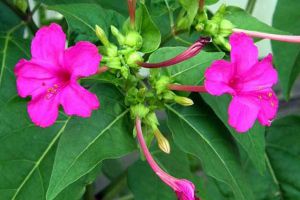
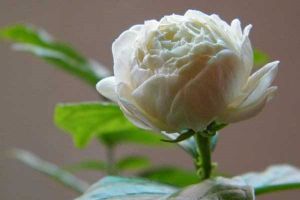
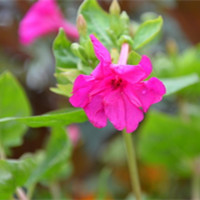
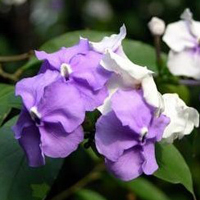
Yesterday-Today-Tomorrow, also known as the kiss-me-quick or five-color jasmine, is an evergreen shrub in the Solanaceae family, native to tropical America. Its most interesting feature is that a single plant can display two flower colors at the same time: the blooms open deep purple, then gradually fade, finally turning almost white, so that old and new flowers set each other off and create a truly striking ornamental effect.
The corolla is shaped like a small trumpet and carries a fresh fragrance similar to that of jasmine. Spring is the main flowering season, and when the climate is suitable it can bloom several times a year. Yesterday-Today-Tomorrow likes a warm, humid environment with plenty of sunlight, and it also tolerates slight shade. It is suited to loose, fertile, well-drained, slightly acidic soil, and it is not cold-hardy, so in winter it needs protection to keep it warm and prevent frost damage.
For home care, water by the principle of watering when the soil is dry and letting it dry out between waterings, and avoid long-term waterlogging in the pot. During the growing season, apply light fertilizer frequently, and after flowering, prune away dead branches and spent flowers; this keeps the plant looking neat and also encourages it to bloom again. In northern regions, it is advisable to move the plant indoors for winter and place it in a spot with good light.
There are other ornamental cultivated species in the same genus, with slight differences in flower size and leaf form, but most share the trait of changing flower color as they bloom. If the leaves turn yellow in daily care, it is usually related to overwatering, insufficient light or soil that is too alkaline, so you can adjust your care methods accordingly. One reminder: the whole plant of Yesterday-Today-Tomorrow is somewhat toxic and is for viewing only, not for eating, so if there are children or pets at home, take care to prevent accidental ingestion.
Related Reading